
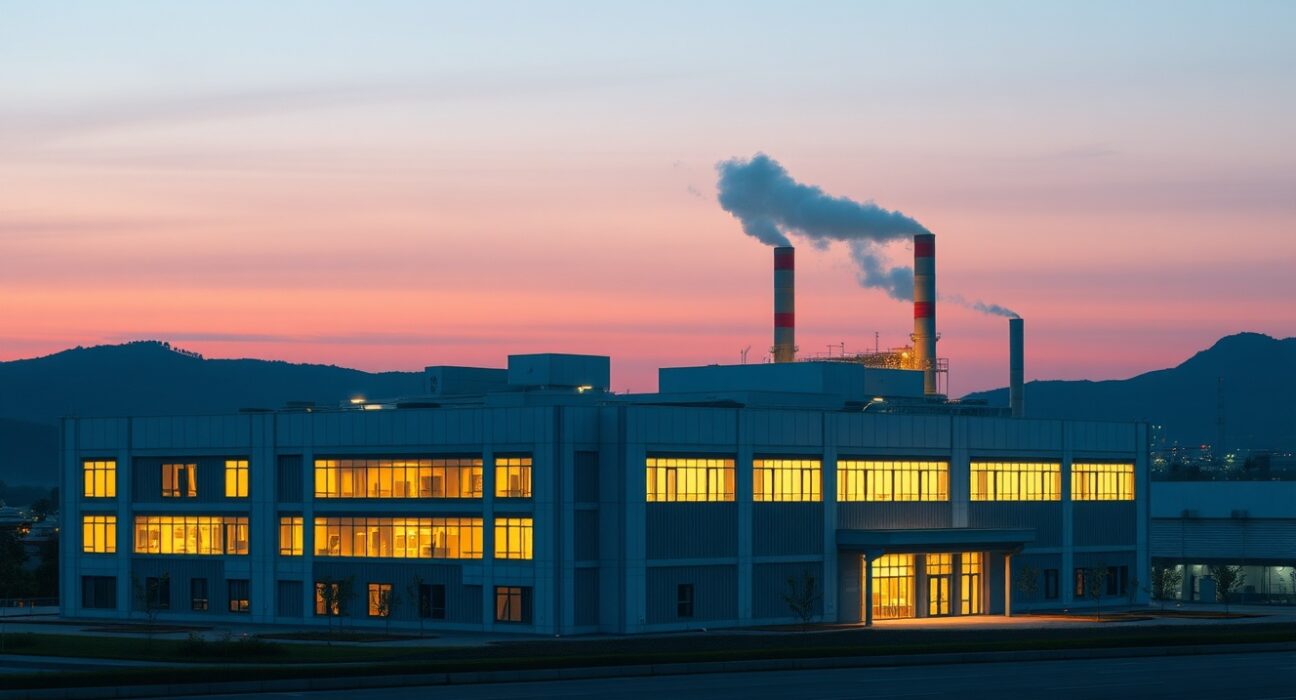
TAIPEI, TAIWAN – March 2025. Rising energy expenditures are fundamentally altering Taiwan’s economic trajectory, according to a recent analysis by Standard Chartered. The international financial institution highlights how increased electricity and fuel costs impact everything from semiconductor manufacturing to consumer prices. Consequently, policymakers and industry leaders now face complex decisions about energy security and competitiveness.
Taiwan Energy Costs Drive Strategic Reassessment
Standard Chartered’s research indicates a persistent upward trend in Taiwan’s energy expenses. This trend stems from global market volatility and domestic policy shifts. For instance, Taiwan imports over 97% of its energy needs, primarily fossil fuels. Therefore, international price fluctuations directly affect local costs. The bank’s charts reveal electricity prices for industrial users have increased approximately 18% since 2023. Meanwhile, residential tariffs have seen more moderate adjustments due to government stabilization measures.
Manufacturing sectors, particularly the vital semiconductor industry, consume vast amounts of power. A single advanced fabrication plant can use as much electricity as a small city. As a result, even minor price increases translate into significant operational cost changes. Companies like TSMC and UMC are implementing aggressive energy efficiency programs. However, analysts note these measures may only partially offset the financial pressure.
Inflation and Economic Growth Implications
Higher energy costs create secondary effects throughout Taiwan’s economy. Transportation expenses rise, affecting logistics and supply chains. Subsequently, consumer goods prices experience upward pressure. Standard Chartered’s model suggests energy-driven inflation could add 0.4 to 0.7 percentage points to Taiwan’s Consumer Price Index (CPI) in 2025. This development complicates the Central Bank’s monetary policy decisions.
The following table illustrates recent energy price movements:
| Energy Type | Price Change (2023-2025) | Primary Impact Sector |
|---|---|---|
| Industrial Electricity | +18.2% | Manufacturing, Tech |
| Natural Gas | +22.5% | Power Generation, Chemicals |
| Transportation Fuels | +15.8% | Logistics, Services |
Furthermore, export competitiveness faces new challenges. Taiwan’s high-tech exports compete globally on cost and reliability. Increased production expenses could erode profit margins. Alternatively, companies might pass costs to consumers, potentially reducing demand. Either scenario presents risks to Taiwan’s trade-dependent economy.
Expert Analysis on Energy Policy Crossroads
Energy economists point to Taiwan’s complex geopolitical position. The island’s energy security strategy traditionally balances cost, reliability, and carbon reduction. Recently, the government accelerated renewable energy deployment. Solar capacity has grown rapidly, and offshore wind projects continue development. Nevertheless, renewables still supply less than 10% of total electricity generation.
Standard Chartered analysts emphasize the need for diversified energy sources. They recommend a three-pronged approach:
- Accelerate renewable integration to reduce fossil fuel dependence
- Modernize grid infrastructure for better efficiency and resilience
- Enhance energy storage systems to manage intermittent supply
Simultaneously, industrial energy management becomes critical. The government promotes smart grid technologies and energy-saving equipment subsidies. Many factories now employ real-time power monitoring systems. These systems identify waste and optimize consumption patterns. Consequently, some facilities report energy intensity reductions of 5-10%.
Long-Term Strategic Outlook and Adaptation
Looking ahead, Taiwan’s energy landscape will continue evolving. The global transition to cleaner energy creates both challenges and opportunities. For example, higher costs may accelerate adoption of energy-efficient technologies. Taiwan’s strong engineering sector could develop innovative solutions. These solutions might then become new export products.
Standard Chartered’s report concludes that energy affordability remains a key economic variable. The bank projects moderate GDP growth adjustment if current trends persist. However, successful policy implementation could mitigate negative impacts. Taiwan’s experience also offers lessons for other energy-importing economies in East Asia.
International observers watch Taiwan’s approach closely. The island’s success in managing energy costs while maintaining industrial leadership will be instructive. Moreover, its progress toward renewable targets will influence regional climate commitments. Therefore, the current price environment represents a pivotal moment for strategic planning.
Conclusion
Standard Chartered’s analysis confirms that Taiwan energy costs are reshaping economic projections. Higher electricity and fuel prices affect inflation, industrial competitiveness, and growth forecasts. The situation demands careful policy responses and corporate adaptation. Taiwan’s journey toward greater energy security and sustainability will significantly influence its economic resilience in the coming decade. Ultimately, managing these costs effectively remains crucial for maintaining the island’s vital position in global technology supply chains.
FAQs
Q1: What is the main cause of higher energy costs in Taiwan?
The primary driver is Taiwan’s heavy dependence on imported fossil fuels, coupled with volatile global prices. Geopolitical factors and domestic energy policy transitions also contribute to the increased expenses.
Q2: How do energy costs affect Taiwan’s semiconductor industry?
Semiconductor fabrication is extremely energy-intensive. Higher electricity prices directly increase production costs, potentially affecting profit margins and global competitiveness for companies like TSMC.
Q3: What is the government doing to address energy price inflation?
Authorities are accelerating renewable energy deployment, providing industrial efficiency subsidies, and implementing strategic fuel reserves. They also maintain some residential price controls to protect consumers.
Q4: How might this affect Taiwan’s economic growth in 2025?
Standard Chartered suggests energy-driven inflation could modestly reduce GDP growth projections. However, effective adaptation and policy responses could mitigate the overall economic impact.
Q5: Are other East Asian economies facing similar challenges?
Yes, many energy-importing economies in the region face comparable pressures. Taiwan’s experience provides relevant case studies for balancing industrial needs with energy security and transition goals.
Disclaimer: The information provided is not trading advice, Bitcoinworld.co.in holds no liability for any investments made based on the information provided on this page. We strongly recommend independent research and/or consultation with a qualified professional before making any investment decisions.