
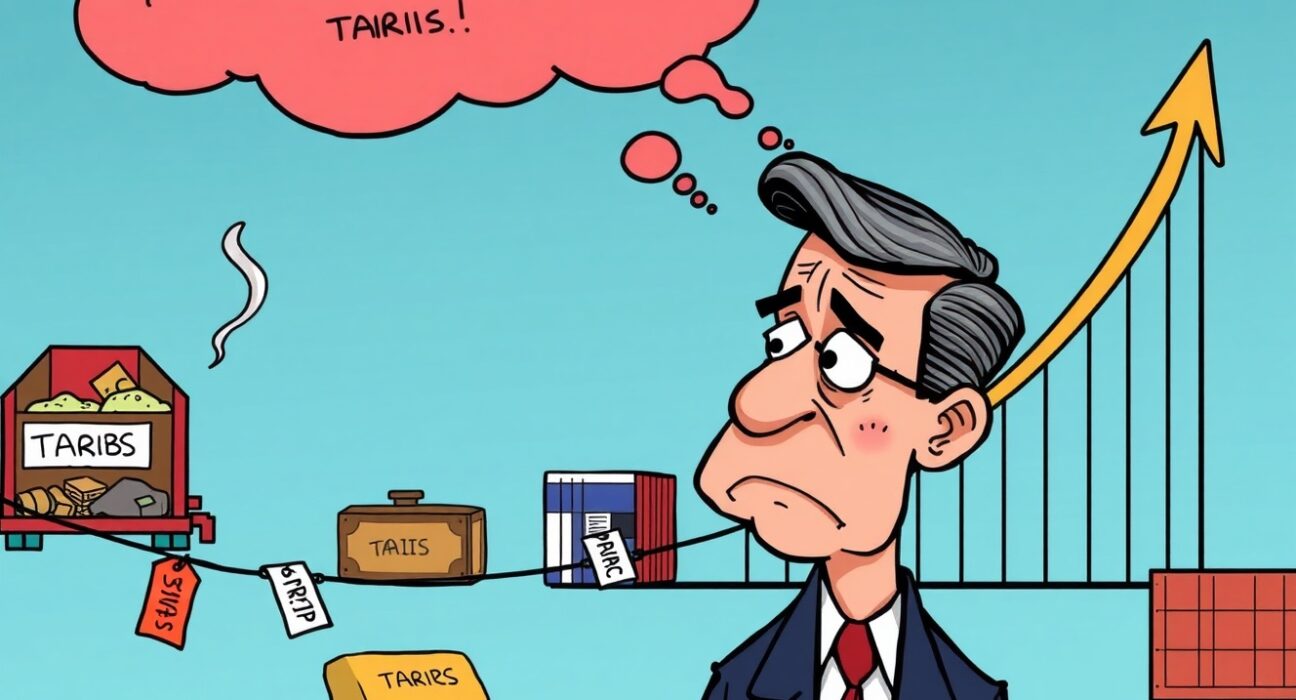
The economic landscape often shifts, and recent comments from Federal Reserve Chair Jerome Powell have brought a crucial topic into sharp focus: tariff-driven inflation. Powell recently indicated that he expects price increases stemming from tariffs to continue not just through the current year, but potentially well into next year. This projection carries significant weight for businesses, consumers, and even the volatile cryptocurrency markets, as persistent inflation can reshape investment strategies and purchasing power. Understanding this outlook is vital for anyone navigating today’s complex financial environment.
What Exactly is Tariff-Driven Inflation?
When we talk about tariff-driven inflation, we are referring to the rise in prices that occurs when governments impose taxes, known as tariffs, on imported goods. These tariffs make foreign products more expensive. As a result:
- Importers often pass these increased costs onto consumers.
- Domestic producers might also raise their prices, as competition from cheaper imports lessens.
- This ripple effect can lead to a general increase in the cost of living and doing business.
Chair Powell’s expectation suggests that these cost pressures are not temporary blips. Instead, they represent a more enduring challenge to price stability, potentially impacting household budgets and corporate profit margins for an extended period.
How Does Persistent Tariff-Driven Inflation Impact Your Wallet?
The continuation of tariff-driven inflation into next year has several key implications for everyday finances and broader economic health. For consumers, it means:
- Higher Prices: You might continue to see elevated prices for imported goods, from electronics to clothing, and even some domestically produced items that rely on imported components.
- Reduced Purchasing Power: If wages don’t keep pace, your money simply won’t buy as much, eroding your savings and disposable income.
- Budgeting Challenges: Planning household budgets becomes more difficult when the cost of essential goods remains unpredictable or consistently high.
For businesses, especially those heavily reliant on global supply chains, the scenario presents ongoing cost management headaches and potential reductions in profitability. This can, in turn, affect employment and investment decisions across various sectors.
Navigating the Economic Currents: What Can Be Done About Tariff-Driven Inflation?
Facing persistent tariff-driven inflation, both individuals and policymakers must consider strategies to mitigate its effects. From a personal finance perspective, this might involve:
- Re-evaluating Spending: Prioritizing essential purchases and looking for domestic alternatives where tariffs make imports prohibitive.
- Seeking Value: Focusing on durable goods and services that offer long-term value, rather than being swayed by fleeting trends.
- Investment Adjustments: Reviewing investment portfolios, as certain sectors or assets (like some commodities or inflation-protected securities) might perform differently in an inflationary environment. Cryptocurrency investors, for instance, often watch inflation trends closely, as some see digital assets as a hedge against traditional economic volatility.
For the Federal Reserve, the persistent nature of this inflation adds complexity to monetary policy decisions, balancing the need to control prices without stifling economic growth. Businesses might explore diversifying supply chains or innovating to reduce reliance on tariff-affected imports.
Jerome Powell’s outlook on tariff-driven inflation serves as a critical reminder that economic forces are constantly at play, shaping our financial realities. His expectation of continued price increases through next year underscores the importance of vigilance and adaptability. While the exact impact on every sector, including the dynamic crypto markets, remains to be seen, staying informed about these macroeconomic trends is essential for making sound financial decisions. The path ahead requires careful navigation, but understanding the underlying pressures is the first step.
Frequently Asked Questions (FAQs)
Q1: What did Fed Chair Powell say about tariffs and inflation?
A1: Fed Chair Jerome Powell stated he expects price increases stemming from tariffs to continue through the current year and persist into next year.
Q2: How do tariffs lead to inflation?
A2: Tariffs are taxes on imported goods. They increase the cost of these goods, which importers often pass on to consumers. Domestic producers may also raise prices due to reduced foreign competition, leading to overall price hikes.
Q3: What does persistent tariff-driven inflation mean for consumers?
A3: For consumers, it typically means higher prices for goods, reduced purchasing power if wages don’t keep up, and increased challenges in budgeting for household expenses.
Q4: Can cryptocurrency act as a hedge against tariff-driven inflation?
A4: Some investors view cryptocurrencies as a potential hedge against traditional economic inflation, believing they offer an alternative store of value outside of fiat currencies. However, their volatility means they also carry significant risks.
Q5: What actions can individuals take to prepare for ongoing inflation?
A5: Individuals can re-evaluate spending habits, prioritize essential purchases, seek value in durable goods, and review investment portfolios to see if adjustments are needed for an inflationary environment.
Q6: How does the Federal Reserve typically respond to persistent inflation?
A6: The Federal Reserve typically responds to persistent inflation by tightening monetary policy, such as raising interest rates, to cool down the economy and reduce demand. However, managing tariff-driven inflation adds complexity, as it’s often a supply-side issue.
Did this article help you understand the implications of tariff-driven inflation? Share your thoughts and this crucial information with your network on social media! Let’s foster a more informed discussion about the economic challenges ahead.
To learn more about the latest economic trends, explore our article on key developments shaping global financial markets and their potential impact.
Disclaimer: The information provided is not trading advice, Bitcoinworld.co.in holds no liability for any investments made based on the information provided on this page. We strongly recommend independent research and/or consultation with a qualified professional before making any investment decisions.