
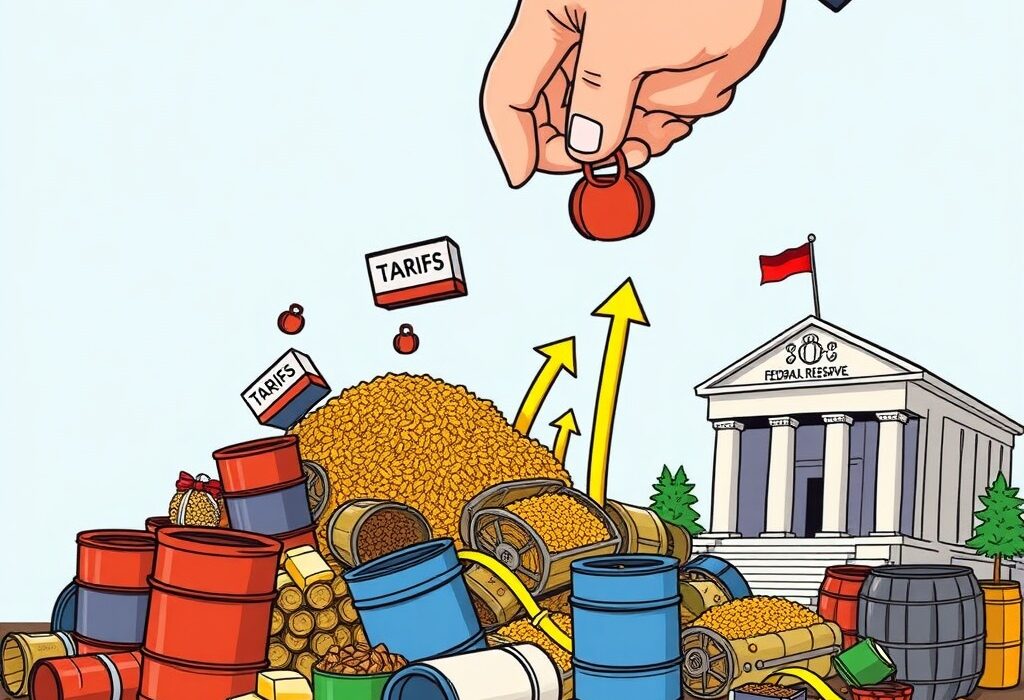
The latest revelations from the U.S. Federal Reserve’s Federal Open Market Committee (FOMC) July 2025 meeting minutes have sent a clear signal: tariffs are actively putting upward pressure on commodity prices. This insight is crucial for anyone watching the global economy, including those deeply invested in the dynamic world of cryptocurrencies. Understanding these economic shifts can provide valuable context for market movements.
What Did the FOMC Say About Tariffs?
The FOMC meeting minutes, recently summarized by Bitcoin World, highlighted several key concerns regarding the economic landscape. A central point of discussion revolved around the impact of tariffs. Members expressed a shared understanding that these trade barriers are not a neutral factor in the economy.
- Some members indicated that it is neither practical nor appropriate to delay monetary policy adjustments while waiting for the full inflationary effects of tariffs to manifest.
- Many recognized that the complete impact of tariffs might take considerable time to be fully realized across various sectors.
- Significantly, the pace of inflation slowdown has stalled, with tariffs specifically identified as a cause of upward pressure on commodity prices.
The Alarming Impact of Tariffs on Commodity Prices
When the FOMC points to tariffs, they are referring to taxes imposed on imported goods. These taxes increase the cost of foreign products, making them more expensive for domestic consumers and businesses. This can have a ripple effect, pushing up prices for everything from raw materials to finished goods.
The direct consequence is higher commodity prices. Think about oil, metals, or agricultural products. If imported versions become pricier due to tariffs, domestic alternatives also see their prices rise, or businesses simply absorb the higher import costs and pass them on to consumers. This creates an inflationary environment that impacts everyone’s purchasing power.
Inflation Risks: Why the Fed is Concerned
A significant takeaway from the minutes was the consensus among a majority of members that inflation risks now outweigh employment risks. This suggests a shift in the Fed’s priorities, indicating a heightened concern about persistent price increases rather than job market stability. Historically, central banks often balance these two mandates.
Furthermore, concerns were raised about rising asset values. This could imply a worry about potential bubbles forming in various markets, including real estate or even certain financial instruments. Such concerns often precede discussions about potential monetary policy tightening, such as interest rate hikes, designed to cool down an overheating economy and curb inflation.
What Does This Mean for You and the Crypto Market?
For the average consumer, the upward pressure on commodity prices due to tariffs translates directly into higher costs for everyday goods and services. From gasoline to groceries, your wallet feels the pinch. This erosion of purchasing power is a core aspect of inflation.
For the crypto market, the implications are more nuanced. If the Fed continues to prioritize fighting inflation, it might signal a more hawkish stance on interest rates. Higher interest rates typically make traditional, less volatile investments more attractive, potentially drawing capital away from riskier assets like cryptocurrencies. Therefore, keeping an eye on FOMC statements and the trajectory of tariffs is essential for crypto investors.
In summary, the U.S. FOMC’s latest minutes underscore the significant role tariffs are playing in driving up commodity prices and stalling the inflation slowdown. The Federal Reserve’s growing concern over inflation risks, even outweighing employment risks, signals a cautious approach to monetary policy. As we move forward, monitoring these economic indicators will be crucial for understanding broader market trends and their potential impact on both traditional investments and the evolving crypto landscape.
Frequently Asked Questions (FAQs)
What are tariffs and how do they impact prices?
Tariffs are taxes imposed on imported goods and services. They increase the cost of foreign products, making them more expensive. This can lead to higher prices for both imported and domestic goods, as businesses may pass on increased costs to consumers, ultimately driving up commodity prices.
Why is the FOMC concerned about inflation risks?
The FOMC is concerned about inflation risks because persistent price increases erode purchasing power and can destabilize the economy. Their latest minutes indicate that these risks are now considered more pressing than employment risks, suggesting a focus on price stability.
How do rising commodity prices affect the average person?
Rising commodity prices directly affect the average person by increasing the cost of living. This includes higher prices for fuel, food, raw materials, and manufactured goods, which can reduce disposable income and impact household budgets.
Could FOMC decisions on tariffs impact the crypto market?
Yes, FOMC decisions and their underlying concerns about inflation, driven by factors like tariffs, can impact the crypto market. If the Fed adopts a more hawkish stance to combat inflation (e.g., raising interest rates), it can make traditional investments more appealing, potentially leading to capital shifts from riskier assets like cryptocurrencies.
Did you find this analysis helpful? Share this article with your network on social media to help others understand the critical economic insights from the U.S. FOMC and the impact of tariffs on our economy!
To learn more about the latest crypto market trends, explore our article on key developments shaping Bitcoin price action.
Disclaimer: The information provided is not trading advice, Bitcoinworld.co.in holds no liability for any investments made based on the information provided on this page. We strongly recommend independent research and/or consultation with a qualified professional before making any investment decisions.