

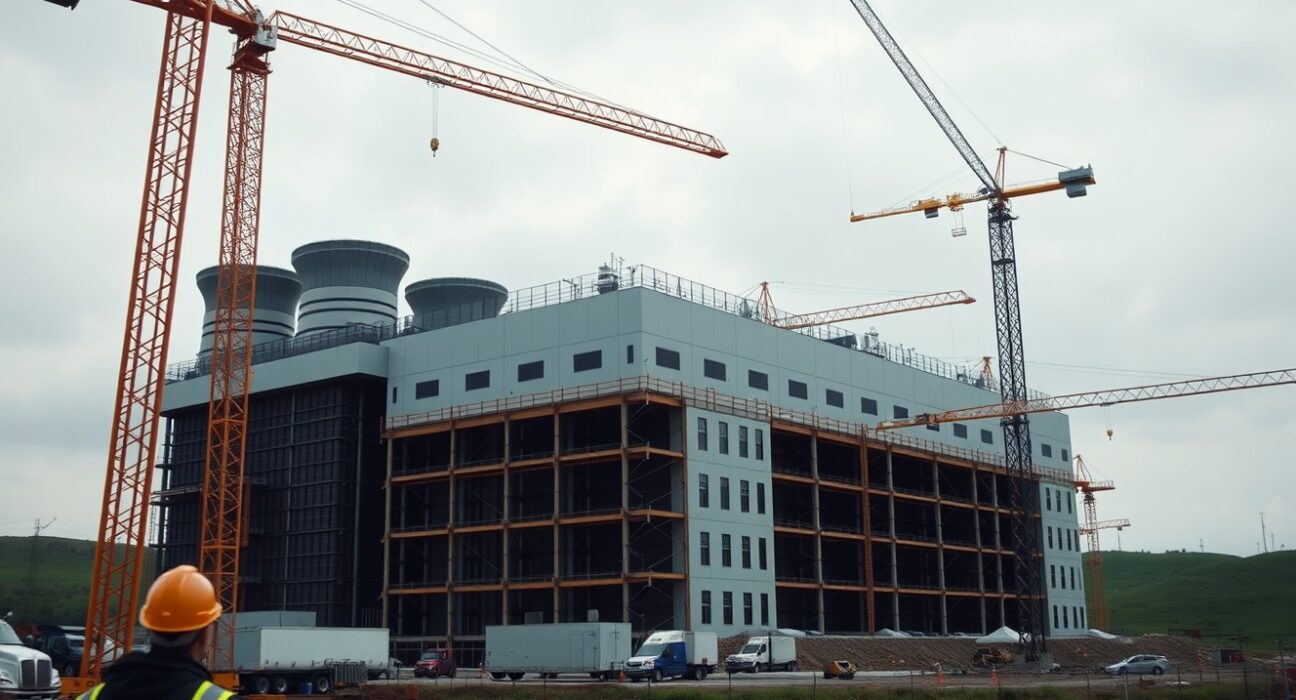
Bitcoin mining company TeraWulf has entered into a 20-year lease agreement with Anthropic, the developer of the generative AI model Claude, for a data center in Kentucky. The facility is expected to have a power capacity of approximately 400 megawatts (MW), with initial power delivery slated for the second half of 2027, according to a report by CNBC.
Strategic shift for Bitcoin miners
The deal marks a significant strategic pivot for TeraWulf, a company primarily known for its Bitcoin mining operations. By leasing data center capacity to an AI company, TeraWulf is diversifying its revenue streams beyond cryptocurrency mining, a sector known for its volatility and sensitivity to energy costs. The arrangement allows Anthropic to secure dedicated computing power for training and running its large language models, a resource that has become increasingly scarce and expensive as AI adoption accelerates.
Kentucky has emerged as a hub for energy-intensive data center operations due to its relatively low electricity rates and existing infrastructure from the coal and natural gas industries. The 400 MW capacity of this facility is substantial enough to power hundreds of thousands of homes, underscoring the immense energy demands of modern AI workloads.
Implications for the crypto and AI industries
This partnership highlights a growing convergence between the cryptocurrency mining and artificial intelligence sectors. Bitcoin miners possess specialized expertise in securing large amounts of power, managing heat dissipation, and operating high-density computing environments — skills that are directly transferable to AI data center operations. TeraWulf is not alone in this trend; other mining firms have also begun repurposing their infrastructure for AI and high-performance computing (HPC) clients.
For Anthropic, the deal provides a long-term, dedicated source of compute capacity at a time when demand for AI training infrastructure is outstripping supply. Major cloud providers like Amazon Web Services, Microsoft Azure, and Google Cloud have been racing to build new data centers, but lease agreements with specialized operators like TeraWulf offer an alternative path to securing capacity.
Market and regulatory context
The announcement comes amid increasing scrutiny of the environmental impact of both cryptocurrency mining and AI data centers. Kentucky’s energy mix, which includes a significant portion of coal-fired generation, may raise questions about the carbon footprint of the facility. However, TeraWulf has previously stated commitments to using low-carbon energy sources for its mining operations, and the company may face pressure to extend those commitments to this new venture.
From a market perspective, the deal signals that institutional investors and technology companies see value in the infrastructure assets held by Bitcoin miners. This could lead to further consolidation and partnership activity in the sector, as AI firms seek reliable, cost-effective power solutions outside the traditional cloud ecosystem.
Conclusion
The 20-year lease between TeraWulf and Anthropic represents a notable evolution in the relationship between cryptocurrency mining and artificial intelligence. By repurposing energy infrastructure for AI workloads, TeraWulf is positioning itself as a player in the broader computing economy, while Anthropic secures critical compute capacity for its Claude models. The facility’s 2027 timeline reflects the long lead times required for building large-scale data centers, and the success of this partnership could set a precedent for similar deals in the future.
FAQs
Q1: What is the significance of the 400 MW power capacity?
A 400 MW facility can power roughly 300,000 to 400,000 average U.S. homes. For AI workloads, this capacity supports the massive computational demands of training and running large language models like Anthropic’s Claude.
Q2: Why is a Bitcoin mining company leasing to an AI firm?
Bitcoin miners have expertise in securing large blocks of power, managing heat, and operating high-density computing environments. These skills are directly applicable to AI data centers, and the deal diversifies TeraWulf’s revenue beyond the volatile crypto market.
Q3: When will the facility become operational?
Initial power delivery is expected in the second half of 2027, with full build-out likely taking additional time. The 20-year lease term reflects the long-term nature of infrastructure investments in both AI and energy sectors.
Disclaimer: The information provided is not trading advice, Bitcoinworld.co.in holds no liability for any investments made based on the information provided on this page. We strongly recommend independent research and/or consultation with a qualified professional before making any investment decisions.
