

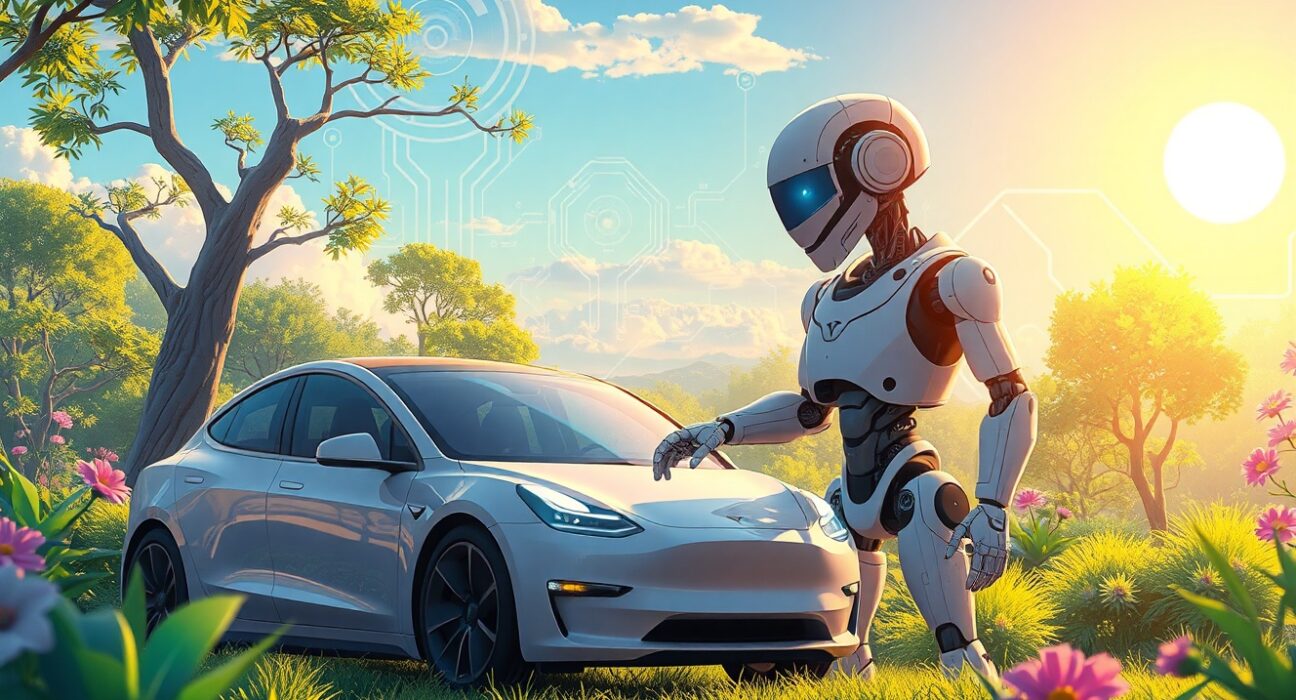
In a move that defied direct shareholder opposition, Tesla disclosed a substantial $2 billion investment in Elon Musk’s artificial intelligence venture, xAI, signaling a profound strategic shift toward integrating digital and physical AI systems. This controversial decision, revealed in Tesla’s Wednesday shareholder letter, follows xAI’s recent $20 billion Series E funding round and highlights the increasingly complex relationship between Musk’s corporate entities. The investment represents a significant bet on artificial intelligence convergence despite clear shareholder reservations expressed through voting mechanisms last November.
Tesla’s xAI Investment Defies Shareholder Opposition
Tesla proceeded with the $2 billion commitment to xAI despite a formal shareholder vote that technically rejected the proposal. According to Bloomberg’s reporting from November, approximately 1.06 billion votes supported the nonbinding measure authorizing the Tesla board to invest in xAI, while 916.3 million votes opposed it. However, Tesla’s corporate bylaws count abstentions as votes against, resulting in the measure’s official rejection. Consequently, Tesla moved forward regardless, presenting a detailed justification in its recent shareholder communication. This decision underscores the board’s confidence in the strategic necessity of the investment, prioritizing long-term AI alignment over immediate shareholder preferences.
The shareholder letter explicitly connects the investment to Tesla’s Master Plan Part IV, which outlines the company’s vision for bringing artificial intelligence into the physical world. Meanwhile, xAI develops leading digital AI products, including its Grok large language model. Tesla argues that the investment, coupled with a newly established framework agreement, will enhance its ability to develop and deploy AI products at scale. The framework agreement builds upon existing relationships by providing structured evaluation processes for potential AI collaborations between the two companies. This arrangement suggests deeper integration ahead, particularly in areas like robotics and autonomous systems.
Strategic Alignment Between Tesla and xAI
Tesla and xAI already maintain multiple operational connections that predate this investment. For instance, Tesla supplies its Megapack batteries to power xAI data centers, as Musk confirmed last year. Additionally, Tesla has integrated the xAI chatbot Grok into some vehicle models, providing early examples of practical collaboration. Bloomberg further reported that xAI informed investors about plans to develop AI specifically for humanoid robots, directly aligning with Tesla’s Optimus project. These existing ties demonstrate how the companies already function as complementary entities within Musk’s technological ecosystem.
The strategic rationale extends beyond simple financial investment. Tesla’s shareholder letter emphasizes developments in physical AI and robotics, including ongoing Optimus robot development, semitruck projects, and autonomous capabilities. By investing in xAI, Tesla gains closer access to cutting-edge digital AI research that could accelerate its physical robotics ambitions. Conversely, xAI benefits from Tesla’s real-world deployment platforms and manufacturing expertise. This symbiotic relationship creates a unique competitive advantage in the rapidly evolving AI landscape, potentially accelerating innovation cycles for both companies.
Financial Context and Market Implications
Tesla’s investment comes during a period of mixed financial performance. While the company broadly exceeded Wall Street estimates for earnings and revenue, its profit declined by 46% last year. This context makes the $2 billion commitment particularly notable, representing a significant allocation of capital toward long-term AI strategy. The investment is expected to close during the first quarter, according to the shareholder letter. Other investors in xAI’s $20 billion Series E round include prominent names like Valor Equity Partners, Fidelity, Qatar Investment Authority, plus strategic investors Nvidia and Cisco. This diverse investor base validates xAI’s technological potential and market position.
Market analysts will closely watch how this investment affects Tesla’s financial metrics and competitive positioning. The move signals Tesla’s commitment to maintaining leadership in AI-integrated transportation and robotics, potentially influencing investor perceptions about future growth vectors. However, the defiance of shareholder voting preferences introduces governance questions that may attract regulatory scrutiny. The investment’s success will ultimately depend on tangible outcomes from the collaboration framework, particularly in accelerating Tesla’s robotics and autonomous vehicle timelines.
Broader AI Industry Impact and Future Trajectory
This development reflects broader trends in artificial intelligence investment and corporate strategy. Major technology companies increasingly pursue vertical integration of AI capabilities, seeking control over both foundational models and application platforms. Tesla’s investment demonstrates how automotive and robotics companies now view advanced AI as a core competency rather than a supplementary technology. The collaboration between Tesla’s physical robotics expertise and xAI’s digital AI research could create novel approaches to real-world AI deployment, potentially setting new industry standards.
Furthermore, the investment highlights the growing importance of humanoid robotics in AI development roadmaps. Both companies have publicly committed to advancing this technology, with Tesla’s Optimus project representing a major bet on robotic labor and xAI’s reported plans indicating parallel development. Their collaboration could accelerate progress in this nascent field, influencing everything from manufacturing to personal assistance robotics. As AI continues evolving from digital applications to physical embodiments, such partnerships between digital AI specialists and physical platform developers will likely become increasingly common.
Conclusion
Tesla’s $2 billion investment in Elon Musk’s xAI represents a strategic gamble that prioritizes long-term AI integration over immediate shareholder preferences. The decision, justified through Master Plan Part IV alignment, establishes a formal framework for collaboration between Tesla’s physical AI expertise and xAI’s digital AI capabilities. Despite shareholder opposition reflected in last November’s vote, Tesla proceeded based on the strategic imperative to accelerate robotics and autonomous system development. This move signals Tesla’s deepening commitment to artificial intelligence as a core competitive advantage while highlighting the complex governance dynamics within Musk’s corporate network. The investment’s ultimate success will depend on tangible technological breakthroughs emerging from the collaboration framework in coming years.
FAQs
Q1: Why did Tesla invest in xAI despite shareholder opposition?
Tesla’s board determined the strategic alignment with Master Plan Part IV justified the investment, prioritizing long-term AI development over the nonbinding shareholder vote that technically rejected the proposal.
Q2: How does this investment benefit Tesla specifically?
The investment provides Tesla with closer access to xAI’s digital AI research, particularly for accelerating development of humanoid robots like Optimus and enhancing autonomous vehicle capabilities through structured collaboration.
Q3: What existing relationships do Tesla and xAI already have?
Tesla supplies Megapack batteries to xAI data centers, has integrated the Grok chatbot into some vehicles, and both companies are working on humanoid robotics with complementary expertise.
Q4: When will the $2 billion investment officially close?
Tesla’s shareholder letter indicates the investment is expected to close during the first quarter of this year, following standard regulatory and procedural requirements.
Q5: How does this investment affect Tesla’s financial position?
The $2 billion commitment represents significant capital allocation during a period of 46% profit decline, indicating Tesla’s prioritization of AI strategy despite current financial pressures.
Disclaimer: The information provided is not trading advice, Bitcoinworld.co.in holds no liability for any investments made based on the information provided on this page. We strongly recommend independent research and/or consultation with a qualified professional before making any investment decisions.
