

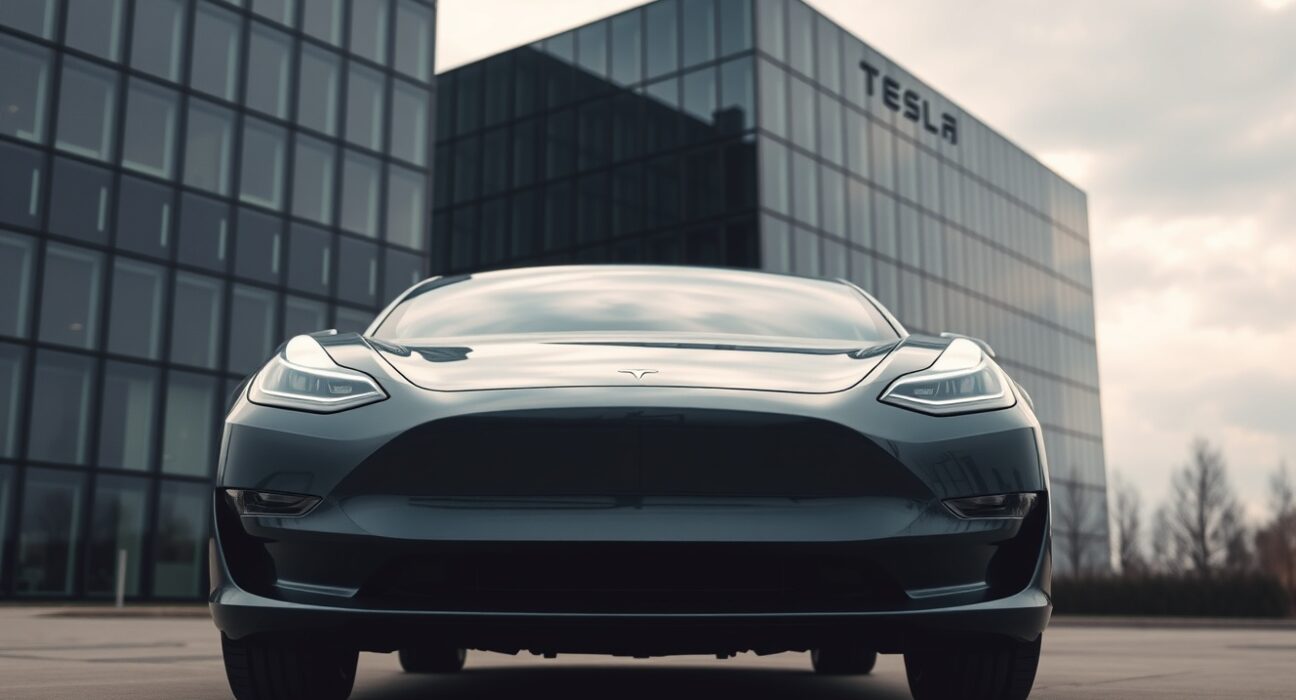
Tesla shares fell in after-hours trading on Tuesday after the electric vehicle maker reported second-quarter earnings that missed Wall Street consensus estimates by approximately 39%. The company posted adjusted earnings per share of $0.52, well below the $0.85 expected by analysts surveyed by Refinitiv, as of the reporting date.
Earnings Breakdown and Market Reaction
Revenue for the quarter came in at $24.9 billion, slightly above the $24.5 billion consensus estimate, representing a 2% year-over-year increase. However, operating income fell to $1.6 billion, down from $2.4 billion in the same period last year, reflecting compressed margins amid aggressive price cuts and increased spending on AI infrastructure.
Automotive gross margin, excluding regulatory credits, dropped to 14.6%, its lowest level in over five years. The margin compression stems from Tesla’s strategy of reducing vehicle prices across multiple markets to defend market share against intensifying competition from Chinese manufacturers like BYD and legacy automakers scaling their EV lineups.
Shares slid approximately 8% in extended trading following the earnings release, erasing gains made earlier in the session. The stock has declined roughly 15% year-to-date as of the close of regular trading, underperforming the broader S&P 500 index.
Key Factors Behind the Miss
Several factors contributed to the earnings shortfall. Tesla’s operating expenses rose 39% year-over-year to $2.97 billion, driven largely by increased investment in AI compute capacity for its Full Self-Driving (FSD) software development and the expansion of its Dojo supercomputer project.
The company also cited higher restructuring costs related to workforce reductions announced earlier in the year. Tesla laid off approximately 10% of its global workforce in April, impacting over 14,000 employees, as part of cost-cutting measures.
Delivery numbers for the quarter totaled 443,956 vehicles, a 4.8% decline compared to the same period last year, marking the second consecutive quarter of year-over-year delivery decreases. Production also fell 14% sequentially to 410,831 units, as Tesla adjusted factory output to align with softening demand.
What This Means for Investors
The earnings miss raises questions about Tesla’s growth trajectory and profitability outlook. The company’s strategy of prioritizing volume over margins has pressured profitability, while its valuation remains elevated compared to traditional automakers. Tesla’s forward price-to-earnings ratio stands at approximately 60, compared to Ford’s 7 and General Motors’ 5, reflecting the premium investors have historically placed on Tesla’s growth potential and technology leadership.
Analysts are now watching for signs of stabilization in margins and delivery growth in the second half of the year. Tesla reiterated its full-year delivery guidance of approximately 1.8 million vehicles, implying a significant ramp-up in the third and fourth quarters. The company also highlighted progress on its next-generation vehicle platform, expected to begin production in late 2025, which could help restore volume growth and margin expansion.
Conclusion
Tesla’s Q2 earnings miss underscores the challenges facing the company as it navigates a period of transition marked by slowing EV demand growth, intensifying competition, and heavy investment in autonomous driving technology. While revenue met expectations, profitability deteriorated sharply, triggering a negative market reaction. The coming quarters will test whether Tesla can balance its long-term ambitions with near-term financial discipline.
FAQs
Q1: How much did Tesla miss earnings by in Q2?
Tesla reported adjusted earnings per share of $0.52, missing the consensus estimate of $0.85 by approximately 39%, based on data from Refinitiv as of the earnings release date.
Q2: Why did Tesla shares fall after the earnings report?
Shares declined in after-hours trading due to the significant earnings miss, compressed automotive gross margins, higher operating expenses, and a year-over-year decline in vehicle deliveries.
Q3: What is Tesla’s delivery outlook for the rest of 2024?
Tesla maintained its full-year delivery guidance of approximately 1.8 million vehicles, implying a substantial increase in deliveries during the second half of the year compared to the first half.
Disclaimer: The information provided is not trading advice, Bitcoinworld.co.in holds no liability for any investments made based on the information provided on this page. We strongly recommend independent research and/or consultation with a qualified professional before making any investment decisions.
