

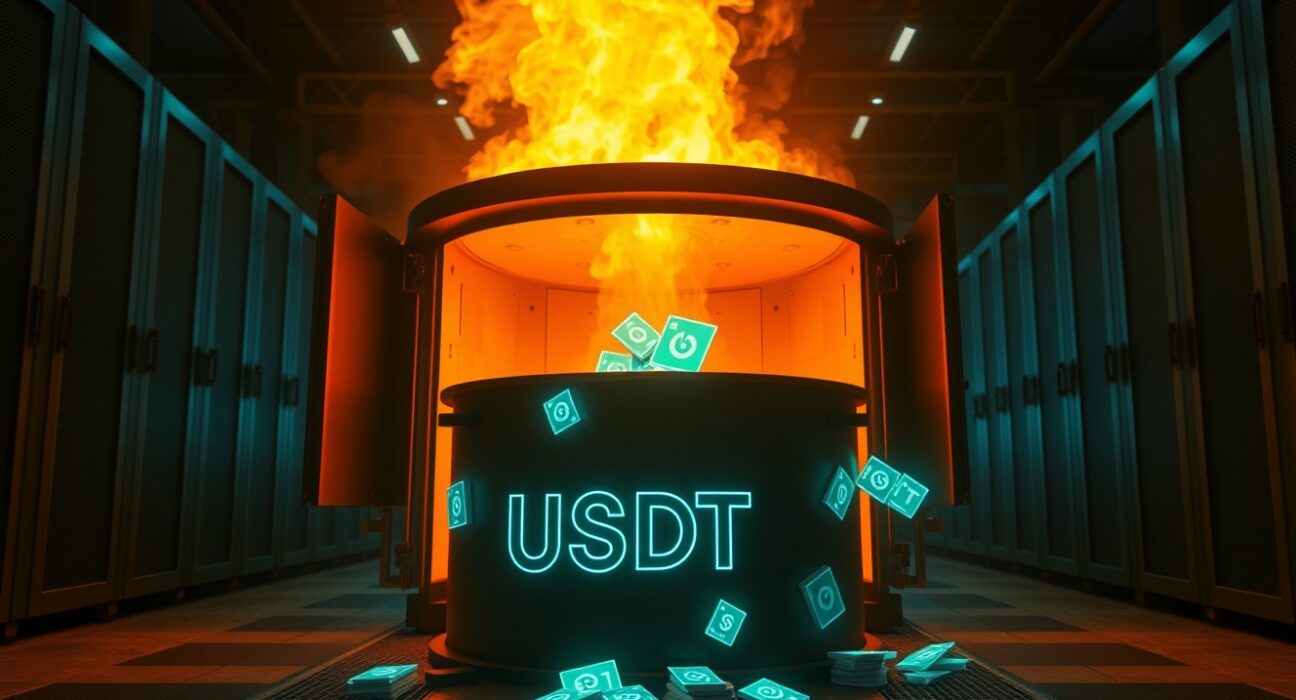
In a significant move that has captured the attention of the cryptocurrency market, Tether has burned 2.5 billion USDT tokens at its Treasury. The transaction, tracked and reported by the blockchain monitoring service Whale Alert, represents one of the largest single token reductions in the stablecoin’s history. While token burns are not uncommon for Tether, the scale of this event warrants a closer look at its implications for market liquidity, stablecoin dynamics, and investor sentiment.
Understanding the Tether Burn
A token burn is a process where a certain number of tokens are permanently removed from circulation. In Tether’s case, this is typically done by sending the USDT to a wallet address that no one can access, effectively destroying them. The company has stated that burns are often conducted in response to market demand, adjusting the circulating supply to maintain the 1:1 peg with the US dollar. This specific burn of 2.5 billion USDT reduces the total circulating supply, which, as of the time of the event, was well over 80 billion tokens. The reduction, while large in absolute terms, represents a fraction of the overall market cap but sends a clear signal about Tether’s supply management strategy.
Implications for Market Liquidity and Stability
The immediate effect of a large-scale burn is a reduction in the available supply of USDT on exchanges. This can have several downstream effects. First, it may tighten liquidity for trading pairs that rely heavily on USDT, potentially leading to increased price volatility in the short term. Second, it can be interpreted as a signal that Tether is responding to lower demand for the stablecoin, perhaps indicating a shift in investor preference or a reduction in overall market activity. However, Tether has historically emphasized that such operations are routine and part of its commitment to transparency and stability. The company regularly publishes attestations of its reserves to assure the market that every USDT in circulation is fully backed.
Market Reaction and Historical Context
Historically, large USDT burns have not caused major market disruptions. The crypto market has largely become accustomed to these supply adjustments. However, the timing of this burn is notable. It comes at a period of relative calm in the broader crypto market, with Bitcoin and other major assets trading in a narrow range. Some analysts suggest that the burn could be a proactive measure to manage supply ahead of potential regulatory changes or to align with a decrease in demand from institutional investors. Others view it as a routine treasury operation that should not be overinterpreted. The key takeaway for readers is that while the event is newsworthy due to its size, it is a standard operational procedure for Tether and not necessarily a harbinger of a market downturn.
Conclusion
The burning of 2.5 billion USDT by Tether is a notable but standard event in the lifecycle of the world’s largest stablecoin. It reflects the company’s ongoing efforts to manage its circulating supply in response to market conditions. For traders and investors, the primary impact is a slight reduction in available liquidity, though the overall stability of the USDT peg and the broader crypto market remains intact. As always, the crypto community will continue to monitor Tether’s reserve reports and supply adjustments for any signs of stress or strategic shifts.
FAQs
Q1: What does it mean when Tether burns USDT tokens?
A: A token burn permanently removes USDT from circulation. Tether does this to manage supply, often in response to lower market demand or to maintain the stablecoin’s 1:1 peg with the US dollar. The tokens are sent to an inaccessible wallet address, effectively destroying them.
Q2: How does a USDT burn affect the price of Bitcoin and other cryptocurrencies?
A: A large burn can reduce liquidity on exchanges, which might increase short-term volatility. However, historical data shows that USDT burns do not typically cause major price movements in Bitcoin or other major assets. The market generally views these as routine operational events.
Q3: Is this 2.5 billion USDT burn a sign of trouble for Tether or the crypto market?
A: Not necessarily. While a large burn can indicate a decrease in demand for USDT, it is a standard practice for Tether. The company regularly adjusts supply based on market conditions. The event should be seen as a normal treasury operation rather than a warning signal, especially given Tether’s continued issuance of attestations regarding its reserve backing.
Disclaimer: The information provided is not trading advice, Bitcoinworld.co.in holds no liability for any investments made based on the information provided on this page. We strongly recommend independent research and/or consultation with a qualified professional before making any investment decisions.
