
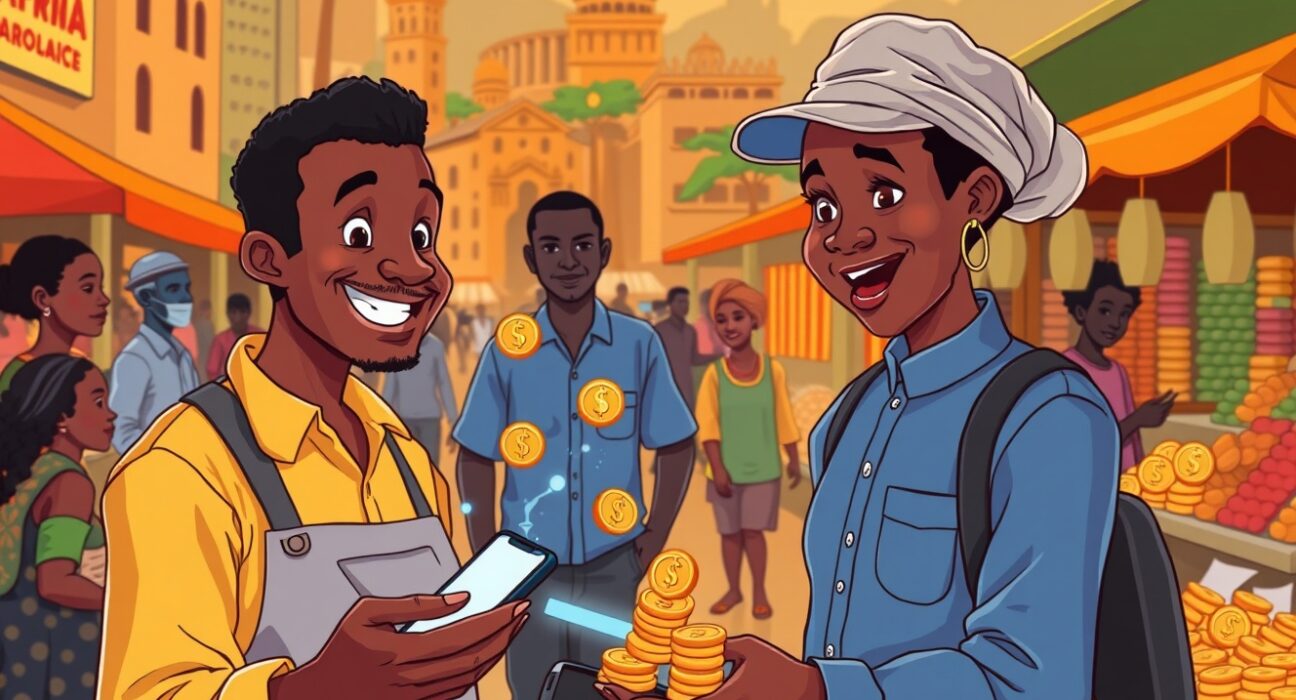
In a major move for financial inclusion, Tether Operations Limited, the company behind the world’s largest stablecoin, and HoneyCoin, a rising fintech player, have announced a groundbreaking partnership. Their mission is clear: to dramatically expand stablecoin access in Africa. This collaboration promises to bridge the gap between digital assets and everyday commerce for millions.
What Does This Partnership for Stablecoin Access in Africa Mean?
The core of this alliance is a practical solution for real-world use. HoneyCoin plans to launch a cashless point-of-sale (POS) platform specifically designed to accept payments in Tether’s USD₮. Therefore, during a transaction, a customer can pay directly from their digital wallet, and the merchant receives the stablecoin value instantly. This system bypasses traditional banking hurdles, offering a faster, cheaper alternative.
Why is Expanding Stablecoin Access in Africa So Crucial?
Africa presents a unique landscape for financial technology. While mobile money adoption is high, many still face barriers like high remittance fees, currency volatility, and limited banking infrastructure. Stablecoins, pegged to stable assets like the US dollar, offer a compelling answer. Here are the key benefits this partnership aims to deliver:
- Reduced Transaction Costs: Sending money across borders or even locally can be expensive. Stablecoin transactions typically have lower fees.
- Protection from Volatility: Merchants and consumers can transact in USD₮, shielding their value from local currency fluctuations.
- Financial Inclusion: Anyone with a smartphone can participate, opening economic opportunities for the unbanked.
- Efficiency for Merchants: Instant settlements mean improved cash flow and simpler accounting compared to waiting for bank transfers.
How Will the New POS Platform Work?
Imagine a small business owner in Lagos or Nairobi. Instead of dealing with cash or waiting for mobile money approvals, they use HoneyCoin’s POS device or app. A customer scans a QR code and approves the USD₮ payment from their wallet. The stablecoins arrive in the merchant’s HoneyCoin wallet immediately. They can then choose to hold the digital dollars, convert to local currency, or use them to pay suppliers. This seamless process is the heart of improving stablecoin access in Africa.
What Challenges Lie Ahead for Stablecoin Adoption?
However, the path is not without obstacles. Regulatory clarity varies widely across the continent’s 54 nations. Furthermore, digital literacy and reliable internet access remain concerns in some regions. The success of this initiative will depend on:
- Navigating diverse regulatory environments.
- Ensuring user-friendly education and interfaces.
- Building trust in digital asset technology among new users.
A Transformative Step for African Commerce
In conclusion, the Tether and HoneyCoin partnership is more than a business deal; it’s a practical experiment in leveraging blockchain for tangible good. By focusing on merchant adoption through a familiar POS model, they are building a crucial on-ramp to the digital economy. If successful, this model could inspire similar initiatives, fundamentally reshaping how value moves across Africa and empowering a new generation of entrepreneurs and consumers with true stablecoin access in Africa.
Frequently Asked Questions (FAQs)
Q: What is a stablecoin?
A: A stablecoin is a type of cryptocurrency designed to have a stable value, typically pegged to a reserve asset like the US dollar. Tether’s USD₮ is the most widely used example.
Q: Do I need a bank account to use this new POS system?
A: No, that’s a key advantage. You primarily need a smartphone with a digital wallet that holds USD₮ to make payments. Merchants receive the stablecoins directly into their HoneyCoin wallet.
Q: How is this different from mobile money like M-Pesa?
A: Mobile money is usually tied to a local currency. Stablecoins like USD₮ are pegged to the US dollar, offering protection from local inflation and simplifying cross-border trade without needing currency conversion.
Q: Is this service available across all of Africa immediately?
A: Not yet. The partnership has been announced, and the platform is in development. Rollout will likely happen in phases, targeting specific countries first based on market readiness and regulations.
Q: Are stablecoin transactions safe?
A: Transactions on blockchain networks are secure and transparent. However, users must practice good security with their private keys and wallets, similar to protecting a bank PIN.
Q: What can merchants do with the USD₮ they receive?
A: They can hold it as a dollar-denominated asset, use it to pay other businesses that accept USD₮, or convert it to local currency through integrated exchange services within the HoneyCoin ecosystem.
Found this insight into the future of African finance compelling? Share this article on your social media to spark a conversation about innovation and financial inclusion!
To learn more about the latest trends in cryptocurrency adoption, explore our article on key developments shaping stablecoin integration in global markets.
Disclaimer: The information provided is not trading advice, Bitcoinworld.co.in holds no liability for any investments made based on the information provided on this page. We strongly recommend independent research and/or consultation with a qualified professional before making any investment decisions.