

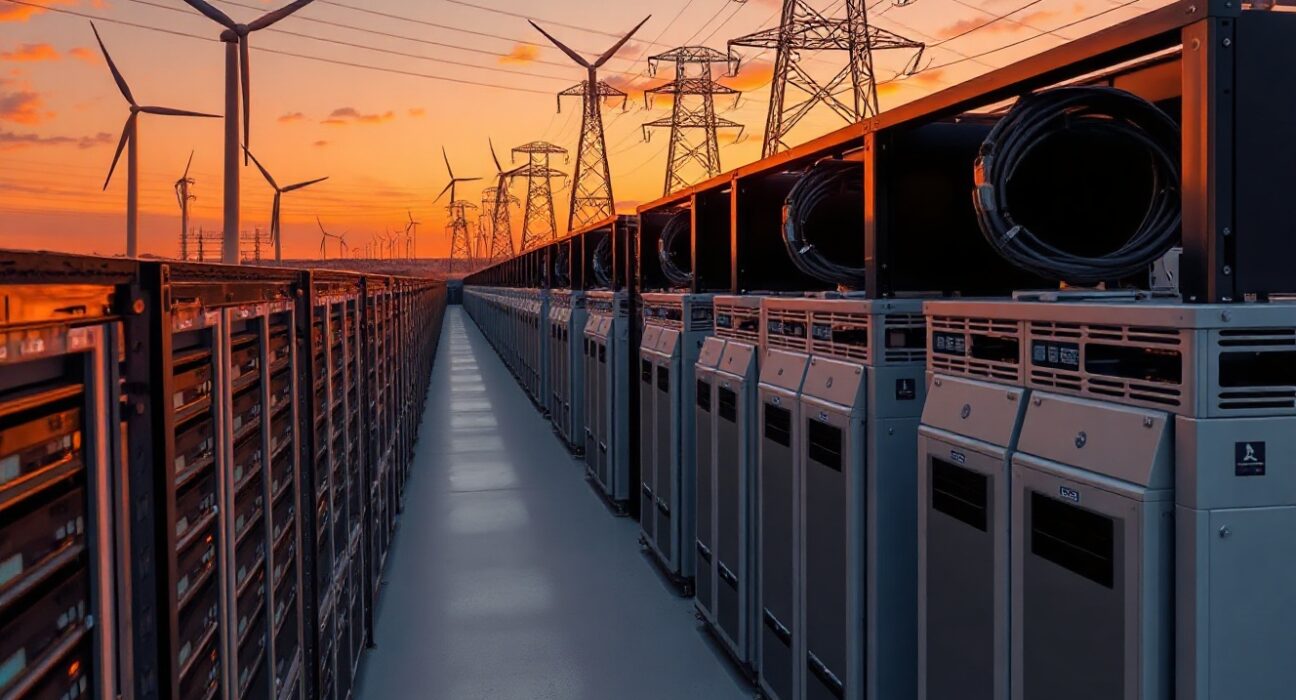
Bitcoin mining stocks with exposure to the AI data center sector surged on Wednesday after the Public Utility Commission of Texas (PUC) approved a new framework to streamline the grid connection process for large power consumers. The move is seen as a significant regulatory win for companies that have spent years building extensive power infrastructure across the state.
Market reaction and key movers
Cipher Digital led the rally, jumping more than 10% to a new all-time high. Core Scientific and Riot Platforms also gained, rising over 3% and 2%, respectively. The broader market for crypto-mining equities has been under pressure in recent months, but the Texas decision provided a fresh catalyst for companies pivoting toward high-performance computing.
The PUC’s new framework is designed to reduce bureaucratic delays for large-scale energy users, including data centers. For Bitcoin miners, which have long operated in Texas due to its deregulated energy market and abundant renewable power, the reform could accelerate their expansion into AI and cloud computing services.
Why Texas matters for Bitcoin miners and AI
Texas has become a global hub for Bitcoin mining, thanks to its competitive electricity prices and business-friendly regulatory environment. Miners have invested billions in power purchase agreements and grid infrastructure, often acting as flexible load that can be curtailed during peak demand. This unique position now gives them a head start in the race to build AI data centers, which require massive, reliable energy supplies.
The PUC’s decision signals that state regulators are open to accommodating the growing energy demands of emerging technologies, without compromising grid reliability. For investors, the reform reduces uncertainty around permitting timelines and connection costs, making miner-led data center projects more financially viable.
What this means for the industry
The convergence of Bitcoin mining and AI data centers is not new, but the Texas policy shift could accelerate the trend. Companies like Cipher Digital and Core Scientific are already repurposing mining infrastructure for AI workloads, a move that diversifies their revenue streams and reduces dependence on Bitcoin price volatility.
However, the transition is not without challenges. AI data centers require different cooling, networking, and latency standards than Bitcoin mining rigs. Retrofitting existing facilities involves significant capital expenditure. Still, the streamlined grid connection process lowers one of the biggest barriers to entry: access to power.
Conclusion
The Texas PUC’s approval of a new grid connection framework represents a meaningful regulatory development for the intersection of cryptocurrency mining and AI infrastructure. While the immediate market reaction has been positive, the long-term impact will depend on how quickly miners can convert their power assets into profitable data center operations. For now, the policy change provides a clearer path forward for an industry seeking its next growth chapter.
FAQs
Q1: What did the Texas PUC approve?
The Public Utility Commission of Texas approved a new framework to reform the grid connection process for large power consumers, including data centers. The goal is to reduce delays and streamline permitting for high-energy users.
Q2: Why did Bitcoin mining stocks rise on this news?
Bitcoin miners have invested heavily in power infrastructure in Texas. The new rules make it easier and faster to connect large-scale data centers to the grid, which is critical for miners expanding into AI and high-performance computing.
Q3: How are Bitcoin miners entering the AI data center business?
Many miners are repurposing their existing facilities and power purchase agreements to host AI workloads. This includes retrofitting mining sites with advanced cooling systems, high-speed networking, and specialized hardware for AI training and inference.
Disclaimer: The information provided is not trading advice, Bitcoinworld.co.in holds no liability for any investments made based on the information provided on this page. We strongly recommend independent research and/or consultation with a qualified professional before making any investment decisions.
