
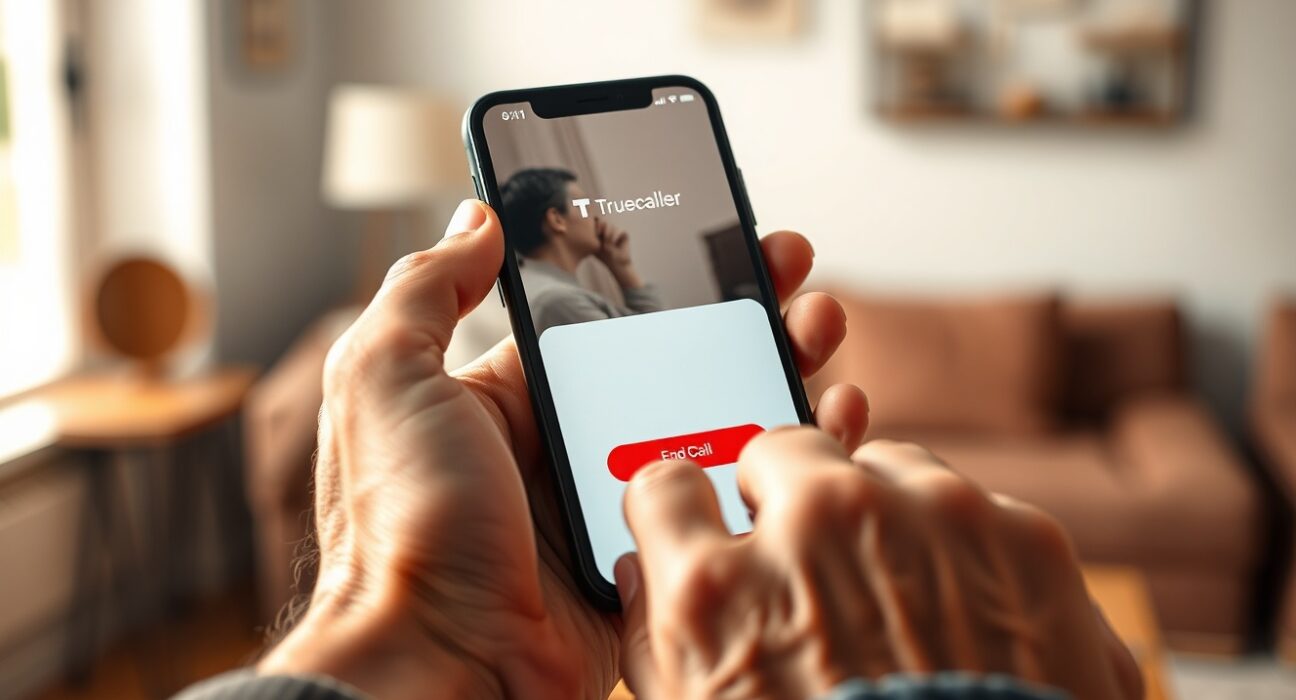
In a significant expansion of its security offerings, caller identification platform Truecaller has launched a groundbreaking family protection feature worldwide, empowering users to remotely intercept and terminate suspected scam calls on behalf of vulnerable family members. This global rollout, announced on June 9, 2025, follows a successful pilot program in Sweden, Chile, Malaysia, and Kenya that began in December 2024. The feature represents a strategic pivot for the Stockholm-based company, which boasts over 450 million users, as it directly addresses the escalating global crisis of telecom fraud, particularly targeting its largest market: India.
Truecaller Family Protection: A Detailed Breakdown
The newly launched feature enables a tech-savvy individual within a family or close-knit group to become the administrator of a group comprising up to five members. Crucially, this functionality remains completely free, accessible even to users not subscribed to Truecaller’s premium plans. Once other members join the group, the administrator receives real-time alerts about potentially fraudulent calls detected by Truecaller’s extensive spam database when those members receive them.
The most powerful capability allows the admin to remotely end an active call if they believe a family member is in danger of being scammed. However, this remote termination function currently works exclusively for group members using Android devices. For iOS users, the admin can only receive fraud alerts. On Android, members can optionally grant additional permissions, enabling the admin to view contextual data such as:
- Real-time activity detection (walking or driving)
- Device battery level
- Phone sound settings (to check if the device is on silent)
Truecaller’s Chief Product Officer, Kunal Dua, emphasized the personal motivation behind the feature in a statement. “I think, unfortunately, all of us know somebody or another in our families or friends who have been impacted by fraud,” Dua noted. “In that sense, it’s a fundamental shift for Truecaller in terms of what we’ve been focusing on as a problem.” The admin also maintains control over a shared blocklist, capable of blocking specific numbers and international calling codes for the entire group, while privacy is maintained as non-spam call and SMS histories remain invisible.

The Escalating Global Scam Epidemic
Truecaller’s innovation arrives against a backdrop of rampant telecommunications fraud. The company itself identified a staggering 7.7 billion fraud calls globally in 2024. In India, the problem has reached critical levels, causing substantial financial losses nationwide. Indian authorities have responded with various initiatives, including a controversial SIM binding policy intended to curb misuse but which critics argue could impede the functionality of popular messaging apps like WhatsApp and Telegram.
The scam tactics are evolving in sophistication. Perpetrators now employ methods like “digital arrest,” where they impersonate law enforcement officials to coerce victims into divulging sensitive information or transferring money under false pretenses. This dangerous landscape makes proactive protection tools not just convenient but essential for digital safety.
AI: The Next Frontier in Call Security
Building on its existing AI-powered voicemail assistant in India—which provides summaries of missed calls—Truecaller is exploring deeper AI integrations for family protection. Future iterations may use artificial intelligence to analyze call content in real-time, alerting the group admin about the nature of a suspected fraud call. The company is also developing AI systems capable of automatically screening calls and disconnecting them when specific scam-associated keywords, such as “digital arrest” or demands for gift cards, are detected.
This AI-driven approach aims to move beyond simple number identification to understanding conversational context, potentially stopping scams before any financial or personal information is exchanged. The development signals a broader industry trend toward predictive and behavioral security in telecommunications.
Market Challenges and Competitive Pressures
Despite its user base, Truecaller faces significant headwinds. The company’s stock value has declined by over 80% in the past twelve months. Its Q4 2025 financial report revealed a 49% year-on-year drop in EBITDA (earnings before interest, taxes, depreciation, and amortization), with advertising revenue—a core income stream—falling 31%.
A major competitive challenge comes from telecom operators themselves. India’s gradual rollout of the Caller Name Presentation (CNAP) system, which displays a caller’s name as registered with their carrier, poses a direct threat to Truecaller’s core value proposition. However, Truecaller leadership maintains that their service offers superior protection.
“CNAP is partially rolled out, and so far, the impact on our user growth is limited,” said CEO Rishit Jhunjhunwala during the Q4 2025 earnings call. “As we have said in the past, we expect that CNAP might have some impact on user growth, but that remains to be seen… Our focus continues to be on delivering a superior product, and as you are aware, the consumer can choose to have CNAP and Truecaller in parallel, where we provide a lot more information and a lot more context and various other solutions for the consumer.”
Truecaller argues that CNAP’s basic name display cannot match its community-driven spam reporting, extensive fraud database, and now, proactive family protection features. The following table contrasts the two approaches:
| Feature | Carrier CNAP | Truecaller |
|---|---|---|
| Caller Identification | Registered Name Only | Name + Spam Tag + User Reports |
| Fraud Prevention | None | Database Alerts & Remote Call Termination |
| Scope | National Carrier Database | Global User Community (450M+) |
| Proactive Protection | No | Yes (Family Groups, AI Screening) |

Conclusion
Truecaller’s worldwide launch of its family protection feature marks a pivotal evolution from a reactive caller-ID app to a proactive digital safety platform. By allowing users to shield vulnerable family members from sophisticated scams, the company addresses a profound and growing need in the digital age. While facing financial pressures and competition from carrier-led solutions like CNAP, Truecaller is betting that its community-powered, feature-rich approach—enhanced by AI—will secure its relevance. The success of this Truecaller family protection tool will ultimately be measured by its real-world impact in preventing financial loss and emotional distress for millions of families globally, turning individual defense into a collective shield against fraud.
FAQs
Q1: Is Truecaller’s new family protection feature free to use?
Yes, the family protection feature is completely free. Users can create and manage a family group even if they are not on a paid Truecaller subscription plan.
Q2: Can I remotely end a scam call for a family member using an iPhone?
Currently, the remote call termination function only works for group members using Android devices. For iOS users, the group admin will only receive alerts about suspected fraud calls but cannot end them remotely.
Q3: How many people can I add to my Truecaller family protection group?
Each family group can have up to five members, including the administrator. The tech-savvy person typically acts as the admin who manages alerts and protections.
Q4: What kind of information can the group admin see about my phone?
The admin can see alerts for spam calls you receive and, if you grant permission on Android, contextual data like if you are walking/driving, your battery level, and sound settings. They cannot see your non-spam call history, SMS history, or listen to your calls.
Q5: How does Truecaller’s feature compare to the new CNAP system in India?
Carrier CNAP only displays the caller’s registered name. Truecaller provides additional context like spam labels, community fraud reports, and proactive tools like family protection and call blocking, which CNAP does not offer. The services can run in parallel.
Disclaimer: The information provided is not trading advice, Bitcoinworld.co.in holds no liability for any investments made based on the information provided on this page. We strongly recommend independent research and/or consultation with a qualified professional before making any investment decisions.