

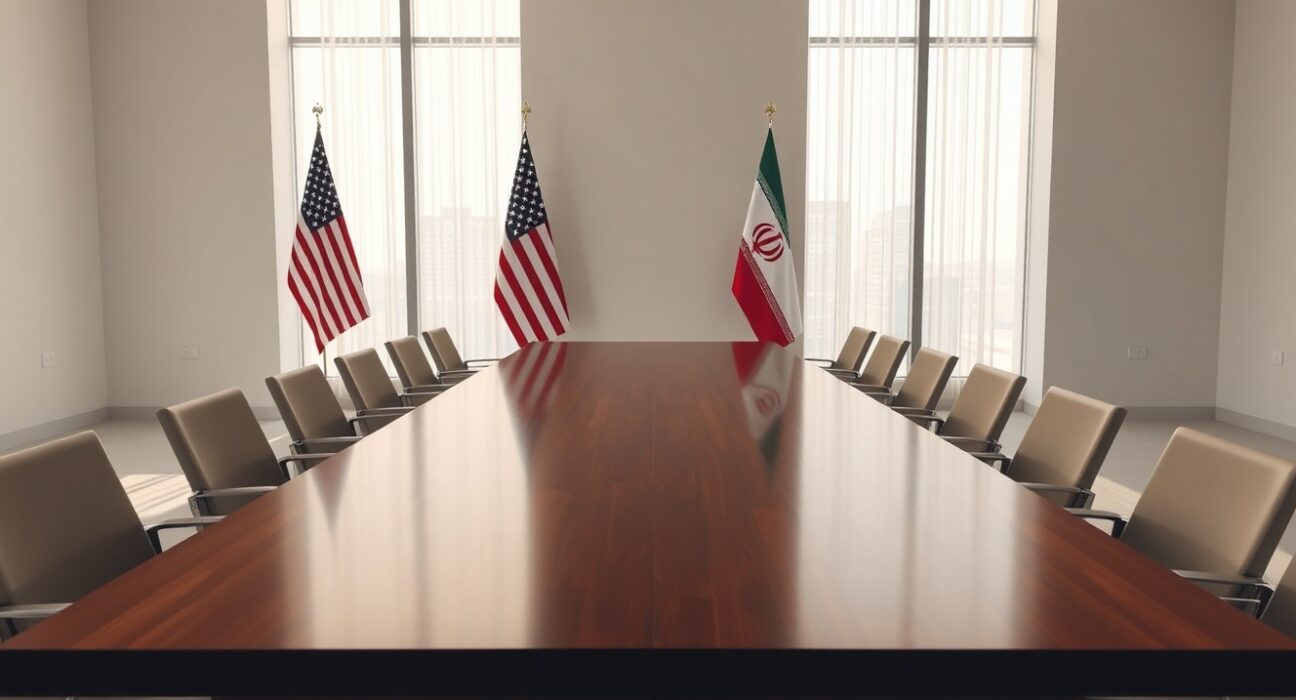
Washington, D.C. – US President Donald Trump announced on Monday that the United States and Iran will hold a new round of diplomatic talks in Qatar on Tuesday, marking a significant step in efforts to de-escalate tensions and potentially revive negotiations over Iran’s nuclear program. The announcement came during a brief statement to reporters at the White House, where Trump described the talks as a ‘serious opportunity’ for both nations.
Background of the Talks
The upcoming meeting in Doha follows months of indirect communication and back-channel discussions, largely mediated by Qatari and European officials. Relations between Washington and Tehran have been strained since the US withdrawal from the Joint Comprehensive Plan of Action (JCPOA) in 2018, followed by a series of sanctions and retaliatory measures. The new talks are expected to focus on mutual steps to reduce nuclear enrichment levels and lift economic sanctions, though no formal agenda has been publicly released.
What Is at Stake
Analysts point out that the talks carry significant weight for regional stability. Iran’s uranium enrichment has accelerated in recent years, approaching weapons-grade levels, while the US has maintained a policy of ‘maximum pressure’ through sanctions. A successful dialogue could pave the way for a broader diplomatic framework, including discussions on Iran’s ballistic missile program and its influence in regional conflicts. However, both sides remain deeply skeptical. Iranian officials have repeatedly demanded a full lifting of sanctions before any substantial concessions, while the US insists on verifiable limits to enrichment capacity.
Qatar’s Mediating Role
Qatar has emerged as a key intermediary, leveraging its diplomatic ties with both Washington and Tehran. The Gulf state previously facilitated talks that led to a prisoner swap between the US and Iran in 2023. Tuesday’s meeting is expected to be held at the level of special envoys, with US Iran envoy Robert Malley and Iranian Deputy Foreign Minister Ali Bagheri Kani likely to lead their respective delegations. The choice of Doha as a neutral venue underscores the sensitivity of direct US-Iran engagement.
Implications for Global Markets and Energy
The announcement has already drawn attention from energy markets. Iran holds one of the world’s largest oil and gas reserves, and any easing of sanctions could increase global supply, potentially lowering crude oil prices. Traders are closely watching the talks for signals of a diplomatic breakthrough. Additionally, the outcome may influence the stance of European and Asian allies who have sought to maintain trade with Iran despite US sanctions.
Conclusion
Tuesday’s talks in Qatar represent a critical juncture in US-Iran relations. While the path to a comprehensive agreement remains fraught with obstacles, the mere willingness to engage directly signals a potential shift away from confrontation. The international community will be watching closely for concrete outcomes, as the stakes involve not only nuclear non-proliferation but also broader security and economic dynamics across the Middle East.
FAQs
Q1: Why are the US and Iran holding talks in Qatar?
Qatar has served as a neutral mediator, maintaining diplomatic channels with both countries. The talks aim to address nuclear enrichment and sanctions issues.
Q2: What is the main goal of these talks?
The primary objective is to find a mutual framework for de-escalation, potentially leading to a renewed agreement on Iran’s nuclear program in exchange for sanctions relief.
Q3: How could these talks affect oil prices?
If the talks lead to a sanctions easing, increased Iranian oil exports could lower global crude prices. Markets are monitoring the developments closely.
Disclaimer: The information provided is not trading advice, Bitcoinworld.co.in holds no liability for any investments made based on the information provided on this page. We strongly recommend independent research and/or consultation with a qualified professional before making any investment decisions.
