President Donald Trump has delayed signing an executive order that would have required government evaluation of certain artificial intelligence models before their public release. The decision, announced to the White House press pool on Wednesday, marks a notable pause in the administration’s approach to AI oversight.
Why the order was delayed
Trump told reporters he was not satisfied with the current language of the draft order. “I didn’t like certain aspects of it,” he said. “We’re leading China, we’re leading everybody, and I don’t want to do anything that’s going to get in the way of that leading.” The president’s comments reflect a broader tension within the administration between advancing AI competitiveness and addressing security concerns raised by recent model releases.
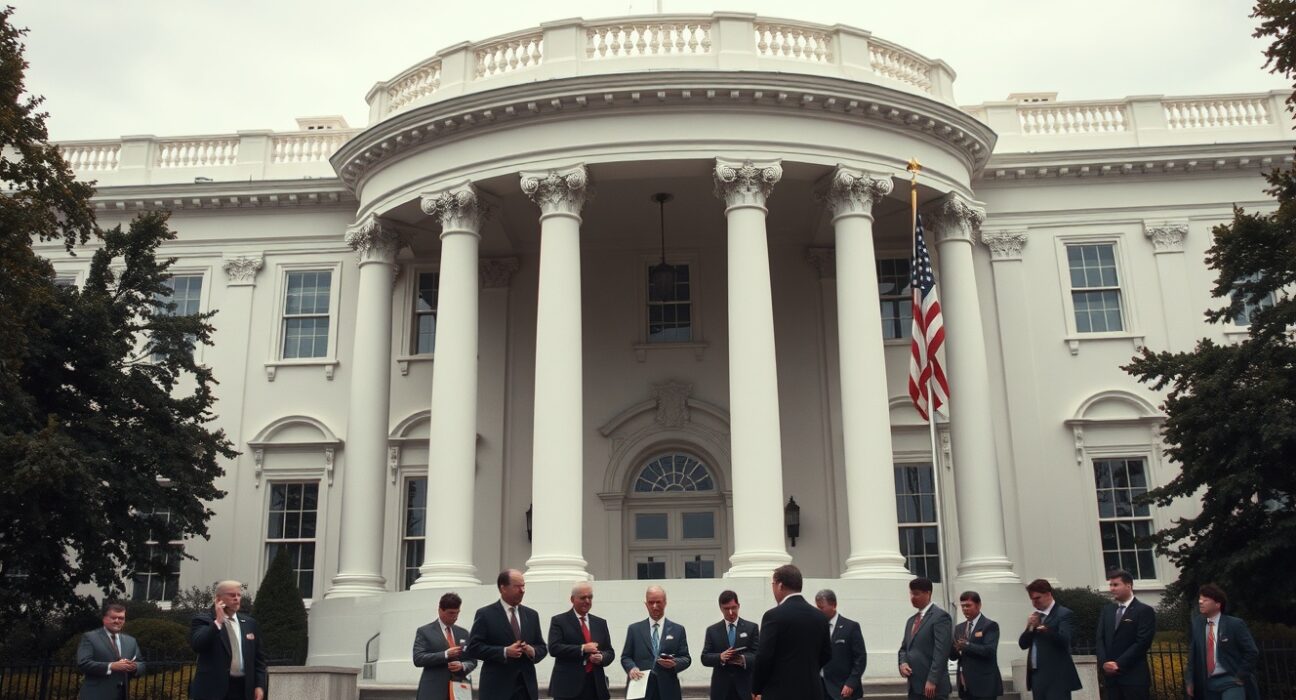
According to multiple reports, an unofficial reason for the delay was that not enough major tech CEOs could make it to Washington, D.C. on short notice for a planned signing ceremony. The White House had been organizing a photo opportunity around the event.
What the executive order would have done
The proposed executive order would have tasked the Office of the National Cyber Director and other federal agencies with developing a process to evaluate advanced AI models for security vulnerabilities before their release. The policy was partly a response to the public availability of models such as Anthropic’s Mythos and OpenAI’s GPT-5.5 Cyber, both of which have demonstrated the ability to quickly identify and exploit software security flaws.
One of the most contentious provisions in the draft, as reported by CNN, was a requirement for AI companies to share advanced models with the government between 14 and 90 days ahead of their public launch. Industry representatives have expressed concern that such a requirement could slow innovation and expose proprietary technology.
Implications for AI regulation
The delay does not kill the executive order but leaves its future uncertain. The administration has not announced a revised timeline. The move underscores the difficulty of crafting AI policy that balances national security interests with the desire to maintain U.S. leadership in the field. China has made significant strides in AI development, and the Trump administration has repeatedly framed the technology as a strategic priority.
For AI companies, the delay provides temporary relief from a looming regulatory requirement, but the underlying pressure for some form of oversight remains. Lawmakers in both parties have called for greater transparency and safety testing of advanced AI systems, particularly those with dual-use capabilities.
Conclusion
The White House’s decision to hold off on signing the AI security executive order reflects the complex trade-offs inherent in regulating a rapidly advancing technology. While the administration emphasizes the importance of not hampering U.S. leadership, the security risks highlighted by recent model releases continue to fuel the debate over how and when the government should intervene. The coming weeks will likely see further negotiations between the White House and industry stakeholders as the draft language is reworked.
FAQs
Q1: What was the main purpose of the delayed executive order?
The order aimed to create a government process for evaluating advanced AI models for security vulnerabilities before they are released to the public, with a particular focus on models capable of autonomously finding and exploiting software flaws.
Q2: Why did President Trump say he delayed the order?
Trump stated he was unhappy with certain aspects of the language, expressing concern that it could act as a blocker to U.S. leadership in AI development, particularly in the competitive landscape with China.
Q3: What happens next for AI regulation in the U.S.?
The executive order is delayed, not canceled. The administration is expected to revise the draft language and may reschedule a signing. Industry stakeholders and lawmakers will continue to push for a framework that addresses both security and innovation.
Disclaimer: The information provided is not trading advice, Bitcoinworld.co.in holds no liability for any investments made based on the information provided on this page. We strongly recommend independent research and/or consultation with a qualified professional before making any investment decisions.