

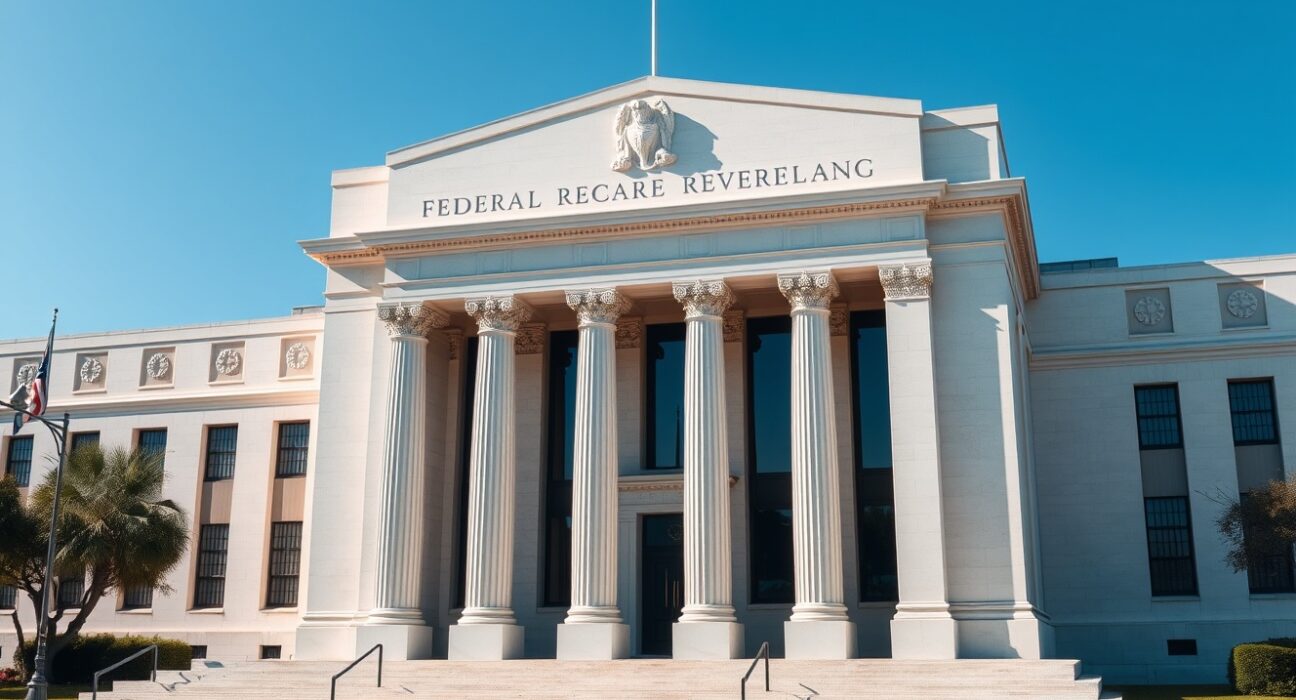
U.S. President Donald Trump stated on Tuesday that the Federal Reserve (Fed) will make its own decisions regarding monetary policy, a comment that reaffirms the central bank’s operational independence despite ongoing political pressure.
Context and Background
The statement comes amid heightened scrutiny of the Fed’s interest rate policies, with some market participants speculating about potential White House influence over rate decisions. Historically, the Federal Reserve operates independently from the executive branch to set monetary policy aimed at maximizing employment and stabilizing prices. Trump’s remark appears to align with that principle, though his administration has previously criticized Fed rate hikes.
Market and Economic Implications
Investors and economists closely watch any signals regarding Fed independence, as perceived political interference can undermine confidence in the U.S. dollar and bond markets. By publicly acknowledging the Fed’s autonomy, Trump may be attempting to calm market anxieties. However, the broader context includes ongoing debates about the pace of rate cuts or hikes in response to inflation and economic growth data.
Why This Matters to Readers
For consumers and businesses, Fed decisions directly affect borrowing costs for mortgages, credit cards, and business loans. A clear statement of independence helps maintain predictability in financial planning. For investors, it reduces uncertainty about sudden policy shifts driven by political considerations.
Conclusion
President Trump’s affirmation that the Federal Reserve will make its own decisions is a notable reiteration of central bank independence. While it does not change current policy, it provides clarity on the administration’s stance, which may influence market sentiment in the near term.
FAQs
Q1: Why is Federal Reserve independence important?
Fed independence ensures that monetary policy decisions are based on economic data rather than short-term political pressures, which helps maintain price stability and long-term economic growth.
Q2: Has President Trump previously criticized the Fed?
Yes, during his first term, Trump publicly criticized Fed rate hikes, calling them a threat to economic growth. This statement represents a shift toward acknowledging the Fed’s autonomy.
Q3: How might this statement affect interest rates?
The statement itself does not change the Fed’s policy trajectory, which remains dependent on inflation, employment data, and global economic conditions. It may, however, reduce market speculation about political interference.
Disclaimer: The information provided is not trading advice, Bitcoinworld.co.in holds no liability for any investments made based on the information provided on this page. We strongly recommend independent research and/or consultation with a qualified professional before making any investment decisions.
