
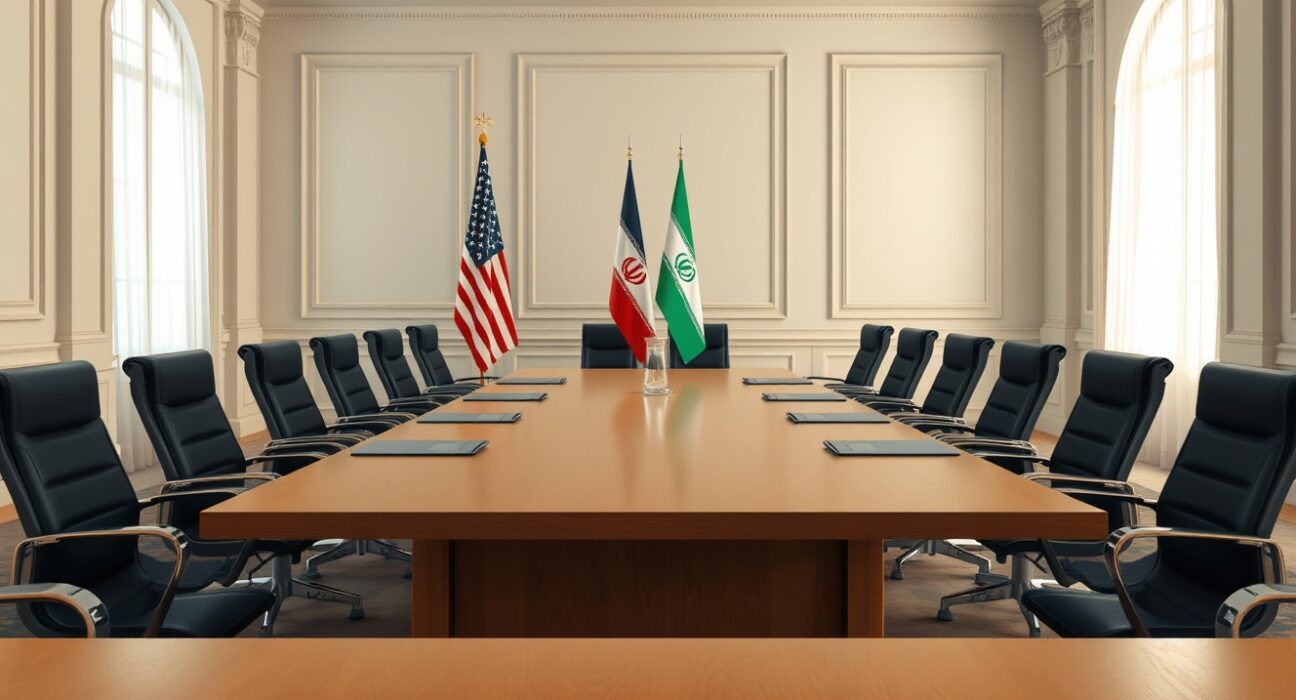
WASHINGTON, D.C. – March 15, 2025 – President Donald Trump issued a stark warning today, threatening continued military action against Iran should diplomatic negotiations fail. This statement significantly escalates tensions in a region already grappling with complex geopolitical challenges. Consequently, global markets reacted with immediate volatility. Furthermore, international observers express deep concern about potential regional destabilization.
Trump’s Iran Bombing Threat and Diplomatic Context
President Trump delivered his remarks during a press briefing at the White House. He explicitly stated the United States would resume bombing campaigns in Iran. However, this action is contingent upon the failure of ongoing diplomatic talks. The current negotiations aim to address Iran’s nuclear program and regional activities. Historically, relations between the two nations have been fraught with hostility. For instance, the 2015 Joint Comprehensive Plan of Action (JCPOA) initially provided a framework. Nevertheless, the U.S. withdrawal in 2018 under Trump created a significant rift. Subsequently, incidents like the 2020 assassination of General Qasem Soleimani heightened animosity. Therefore, this latest threat represents a continuation of a longstanding adversarial posture.
Analysis of US-Iran Negotiation Dynamics
The negotiation process involves multiple complex layers. Key discussion points include uranium enrichment levels and ballistic missile development. Additionally, regional proxy conflicts in Yemen and Syria remain contentious. European allies often act as intermediaries in these talks. Meanwhile, regional powers like Israel and Saudi Arabia closely monitor developments. The following table outlines the core positions:
| US Demands | Iranian Demands |
|---|---|
| Permanent nuclear program restrictions | Lifting of all economic sanctions |
| Cessation of regional proxy support | Security guarantees against attack |
| Ballistic missile program limitations | Access to frozen financial assets |
Military experts analyze the practical implications of renewed bombing. Potential targets could include:
- Nuclear facilities like Natanz and Fordow
- Military infrastructure and Revolutionary Guard bases
- Economic assets such as oil refineries
Regional Security and Global Impact Assessment
This threat carries profound implications for Middle Eastern stability. Neighboring countries fear collateral damage and refugee crises. Moreover, global energy markets depend heavily on Strait of Hormuz security. Any military conflict could disrupt approximately 20% of the world’s oil supply. International law experts also scrutinize the legality of preemptive strikes. The United Nations Charter generally prohibits the use of force without Security Council authorization. However, nations sometimes invoke self-defense under Article 51. Past administrations have referenced imminent threat doctrines. Consequently, legal debates surrounding these actions remain intensely contested.
Historical Precedents and Diplomatic Pathways
History provides context for current tensions. The Iran-Iraq War during the 1980s shaped regional dynamics. Furthermore, the post-9/11 era introduced new security paradigms. The Obama administration pursued diplomatic engagement leading to the JCPOA. Conversely, the Trump administration favored maximum pressure tactics. Currently, diplomatic channels remain open through Swiss intermediaries. Additionally, backchannel communications reportedly occur in Oman. The international community largely advocates for peaceful resolution. For example, the European Union consistently promotes dialogue. Meanwhile, Russia and China urge restraint from both sides. Economic factors also play a crucial role. Sanctions have severely impacted Iran’s economy, creating leverage. Conversely, Iran’s regional influence provides its own strategic counterweight.
Conclusion
President Trump’s threat to continue bombing Iran if talks fail marks a critical juncture in US-Iran relations. This statement underscores the fragile nature of current diplomatic efforts. Furthermore, it highlights the persistent risk of military escalation in the Middle East. The international community now watches closely as both nations navigate this high-stakes confrontation. Ultimately, the path forward requires careful diplomacy to avoid catastrophic regional conflict.
FAQs
Q1: What specifically did President Trump say about Iran?
President Trump stated the United States would continue bombing Iran if negotiations with the country fail, emphasizing a conditional military approach.
Q2: What are the main issues in the US-Iran negotiations?
The negotiations primarily focus on Iran’s nuclear program limits, ballistic missile development, regional activities, and the lifting of US economic sanctions.
Q3: How have other countries reacted to this threat?
European allies have called for de-escalation, while regional partners like Israel have expressed support for a firm stance against Iranian activities.
Q4: What was the status of the Iran nuclear deal before this?
The 2015 JCPOA was effectively abandoned after the US withdrawal in 2018, though other signatories have attempted to preserve its framework.
Q5: What are the potential consequences of military action against Iran?
Potential consequences include regional destabilization, global oil market disruption, humanitarian crises, and possible escalation into broader conflict.
Disclaimer: The information provided is not trading advice, Bitcoinworld.co.in holds no liability for any investments made based on the information provided on this page. We strongly recommend independent research and/or consultation with a qualified professional before making any investment decisions.