

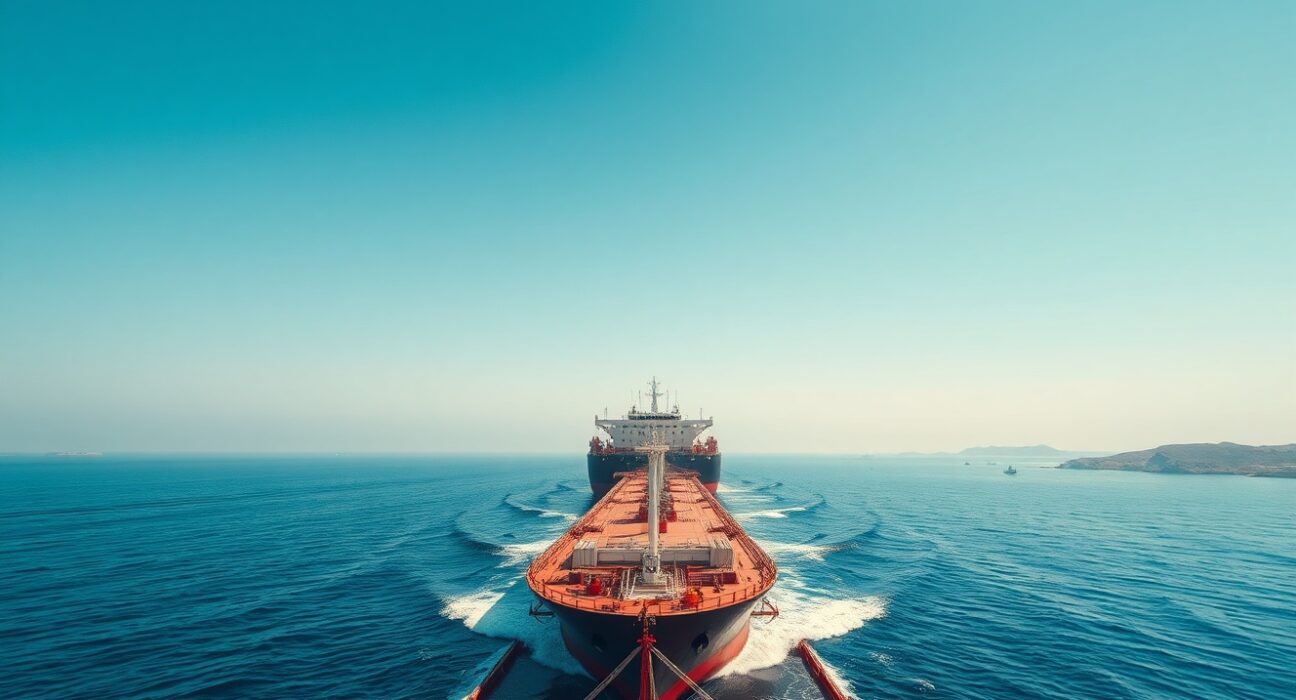
U.S. President Donald Trump announced today that a diplomatic agreement has been reached with Iran, securing full approval for free passage through the Strait of Hormuz and an immediate end to the U.S. Navy’s blockade of the Islamic Republic. In a statement, Trump urged ships worldwide to set sail, declaring that oil should be allowed to flow without obstruction.
Background and Context of the Blockade
The Strait of Hormuz, a narrow waterway between the Persian Gulf and the Gulf of Oman, is one of the world’s most strategically important chokepoints. Approximately 20% of global oil consumption passes through it daily. The U.S. Navy’s blockade, initiated under previous tensions, had severely restricted Iranian oil exports and heightened fears of supply disruptions. The deal marks a significant shift in U.S.-Iran relations, potentially stabilizing global energy markets.
Immediate Implications for Global Shipping and Oil Markets
The announcement is expected to lower oil prices in the short term as markets react to the removal of a key supply risk. Shipping companies and insurers, which had faced higher premiums for vessels transiting the region, may now resume normal operations. Analysts caution, however, that the agreement’s durability remains uncertain, given the history of fragile negotiations between the two nations. The deal does not address broader issues such as Iran’s nuclear program or regional military activities, leaving room for future friction.
What This Means for Consumers and Businesses
For consumers, lower oil prices could translate to reduced gasoline costs and lower transportation expenses. Energy-dependent industries, including airlines and logistics firms, may see immediate relief. However, the long-term impact depends on whether the agreement holds and whether other nations, including U.S. allies, support the terms.
Conclusion
While the deal represents a diplomatic breakthrough, its success hinges on implementation and mutual trust. The reopening of the Strait of Hormuz removes an immediate flashpoint, but the broader geopolitical landscape remains complex. Readers should monitor official statements from both governments and international bodies for further details.
FAQs
Q1: What is the Strait of Hormuz and why is it important?
The Strait of Hormuz is a narrow waterway connecting the Persian Gulf to the Gulf of Oman. It is a critical transit route for about one-fifth of the world’s oil supply, making it a key strategic location for global energy security.
Q2: How will this deal affect oil prices?
Analysts expect oil prices to decline in the short term due to reduced supply risk. However, prices will also depend on other factors such as global demand, OPEC decisions, and the stability of the agreement.
Q3: Is this deal permanent?
The agreement’s permanence is uncertain. Past U.S.-Iran deals have faced challenges, and the current announcement does not address broader disputes. The situation remains fluid and subject to change.
Disclaimer: The information provided is not trading advice, Bitcoinworld.co.in holds no liability for any investments made based on the information provided on this page. We strongly recommend independent research and/or consultation with a qualified professional before making any investment decisions.
