
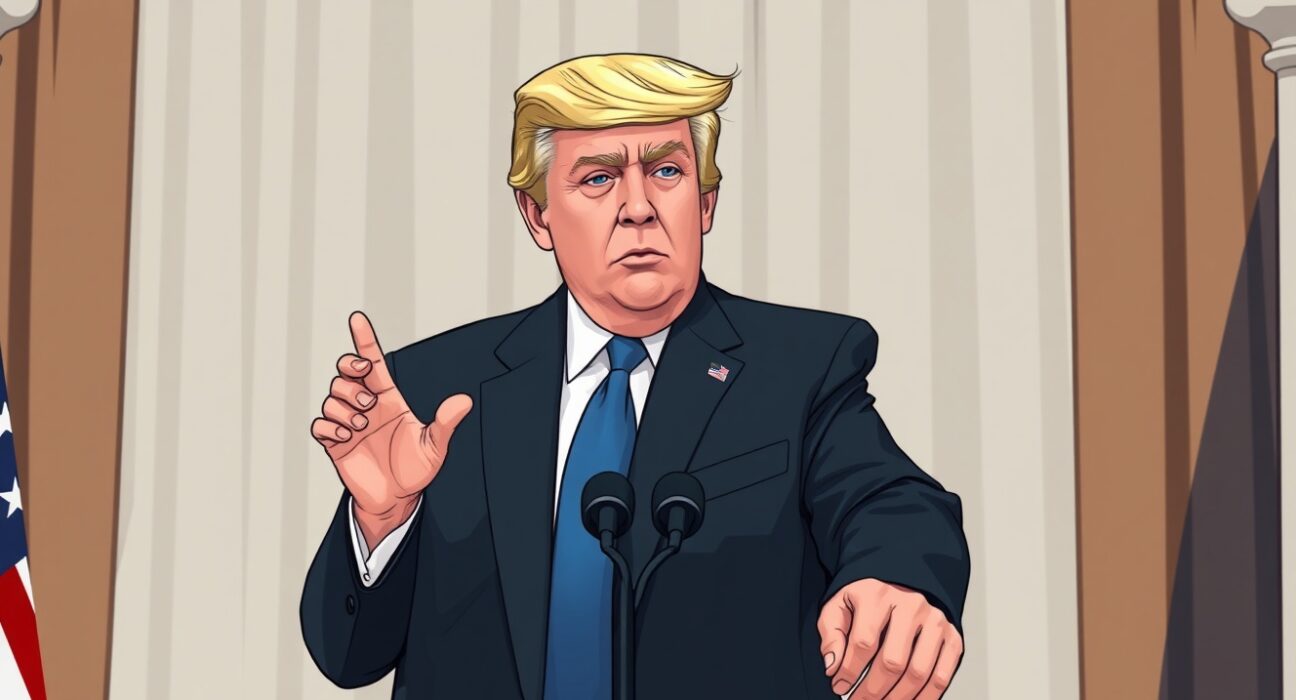
WASHINGTON, D.C. – In a decisive move with global implications, President Donald Trump delivered a stark ultimatum to Iran during a White House press conference, warning of severe consequences if Tehran fails to reach a diplomatic agreement within the next fourteen days. The president’s statement immediately escalated tensions in a region already grappling with multiple conflicts, while simultaneously revealing an unexpected diplomatic alignment with Chinese leadership.
Trump’s Two-Week Deadline for Iran Deal
President Trump framed his warning with unambiguous language during the Thursday afternoon briefing. He stated the situation would “deteriorate significantly” if Iranian negotiators fail to secure an agreement within the specified timeframe. Furthermore, the president expressed his hope for an end to ongoing conflicts in the region, specifically mentioning Chinese President Xi Jinping’s shared desire for resolution. This reference to Chinese alignment marks a notable development in typically complex U.S.-China relations regarding Middle Eastern affairs.
The announcement comes amid renewed diplomatic efforts following months of stalled negotiations. International observers immediately noted the unusually specific deadline, which contrasts with previous diplomatic approaches characterized by extended timelines. Consequently, regional markets reacted with volatility, while diplomatic channels reportedly activated emergency protocols across multiple capitals.
Historical Context of US-Iran Relations
To understand the current ultimatum’s significance, we must examine the turbulent history between Washington and Tehran. Relations have remained strained since the 1979 Iranian Revolution and subsequent hostage crisis. The 2015 Joint Comprehensive Plan of Action (JCPOA), commonly called the Iran nuclear deal, represented a brief diplomatic thaw. However, the Trump administration withdrew from the agreement in 2018, reinstating harsh economic sanctions.
Since that withdrawal, tensions have periodically escalated, including incidents in the Strait of Hormuz and the 2020 assassination of Iranian General Qasem Soleimani. The current negotiations reportedly address multiple issues beyond nuclear capabilities, including:
- Ballistic missile development and regional proxy activities
- Economic sanctions relief and oil export permissions
- Regional security arrangements involving neighboring states
- Verification mechanisms for compliance monitoring
European mediators have worked tirelessly to bridge gaps between positions, yet fundamental disagreements persist about sequencing and verification.
China’s Unexpected Diplomatic Position
President Trump’s revelation about Chinese alignment represents perhaps the most surprising element of his announcement. Traditionally, China has maintained careful neutrality in Middle Eastern conflicts while pursuing energy security and economic interests. However, Beijing has increasingly positioned itself as a global diplomatic player, mediating between Saudi Arabia and Iran in 2023.
Analysts suggest several motivations might explain China’s position:
| Factor | Potential Chinese Interest |
|---|---|
| Energy Security | Iran supplies approximately 10% of China’s oil imports |
| Belt and Road | Regional stability protects infrastructure investments |
| Global Leadership | Mediation enhances international diplomatic stature |
| US Relations | Cooperation provides leverage in other negotiations |
This alignment, while temporary, could reshape diplomatic calculations across the region. European diplomats have cautiously welcomed Chinese involvement, recognizing Beijing’s unique leverage with Iranian leadership.
Military and Economic Implications of the Deadline
The two-week deadline carries substantial military and economic implications. Pentagon officials have reportedly updated contingency plans, while the U.S. Navy has increased patrols in the Persian Gulf. Simultaneously, energy markets have shown pronounced sensitivity to the announcement, with Brent crude futures experiencing immediate volatility.
Regional allies have expressed mixed reactions to the ultimatum. Israeli officials generally support firm deadlines but worry about potential escalation. Conversely, Gulf Arab states desire resolution but fear rapid changes might destabilize carefully maintained security arrangements. The European Union’s foreign policy chief has called for “flexibility within firmness,” advocating determined diplomacy without artificial constraints.
Economic analysts project several potential outcomes based on the deadline’s result:
- Successful agreement: Oil prices could drop 8-12% with regional stability premium reduction
- Partial agreement: Extended negotiations with temporary confidence-building measures
- Complete failure: Possible 20-30% oil price spike and renewed proxy conflicts
International financial institutions have begun stress-testing scenarios, particularly examining exposure to Middle Eastern markets and energy-dependent economies.
Diplomatic Pathways and Regional Stability
The fourteen-day window allows limited time for complex diplomatic maneuvering. However, experienced negotiators note that deadlines sometimes accelerate compromises previously deemed impossible. The 2015 negotiations themselves faced multiple artificial deadlines that ultimately pushed parties toward agreement.
Several confidence-building measures could emerge during this period, including prisoner exchanges, limited sanctions relief, or military de-escalation agreements. Regional powers have reportedly increased communication through backchannels, with Oman and Qatar facilitating discreet discussions. The United Nations Secretary-General has offered mediation support, emphasizing the organization’s neutral convening power.
Ultimately, the success or failure of this diplomatic push will influence Middle Eastern stability for years. A successful agreement could reduce regional tensions substantially, while failure might trigger renewed conflict with global economic consequences. The international community now watches closely as diplomats work against an unusually public and specific clock.
Conclusion
President Trump’s two-week ultimatum to Iran represents a high-stakes diplomatic gambit with profound regional and global implications. The unexpected alignment with Chinese leadership adds a fascinating dimension to these final negotiations. As the deadline approaches, all parties must weigh the costs of compromise against the consequences of failure. The world now awaits Iran’s response to this decisive Trump warning, which will undoubtedly shape Middle Eastern geopolitics for the foreseeable future.
FAQs
Q1: What exactly did President Trump say about Iran?
President Trump warned that the situation would “deteriorate significantly” if Iran fails to reach a diplomatic agreement within two weeks during a White House press conference.
Q2: Why is China mentioned in connection with Iran negotiations?
President Trump stated that Chinese President Xi Jinping also wants the conflict to cease, suggesting unexpected diplomatic alignment between Washington and Beijing on this issue.
Q3: What are the potential consequences if no deal is reached?
While unspecified, consequences could include increased sanctions, military posturing, reduced diplomatic engagement, or support for Iranian opposition groups.
Q4: How have previous negotiations between the US and Iran progressed?
Relations have been strained since 1979, with the 2015 nuclear deal providing temporary improvement before the US withdrawal in 2018 reignited tensions.
Q5: What issues are being negotiated besides nuclear capabilities?
Discussions reportedly include ballistic missiles, regional proxy activities, sanctions relief, verification mechanisms, and broader security arrangements.
Disclaimer: The information provided is not trading advice, Bitcoinworld.co.in holds no liability for any investments made based on the information provided on this page. We strongly recommend independent research and/or consultation with a qualified professional before making any investment decisions.