
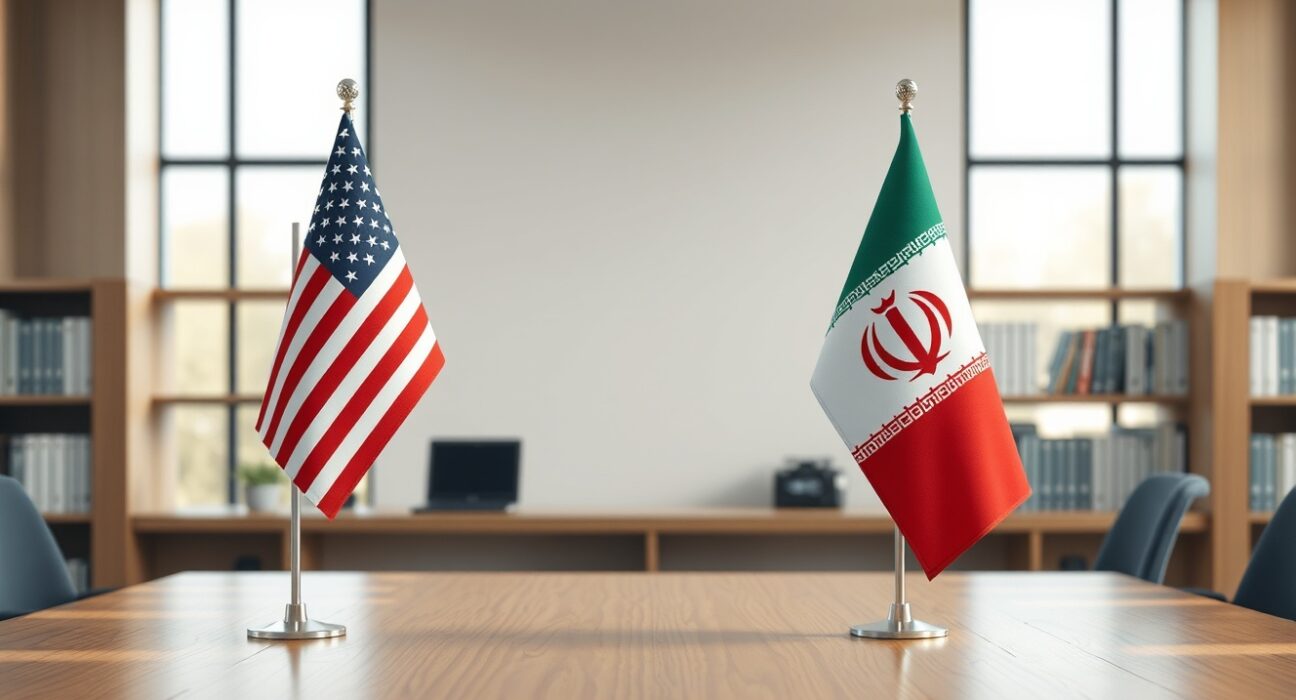
WASHINGTON, D.C. – March 2025: In a potentially transformative move for Middle East relations, former and current U.S. President Donald Trump has confirmed his administration is actively discussing tariff and sanctions relief with Iran. This development marks a significant departure from previous policies and could reshape the geopolitical landscape of the region. Consequently, global markets and diplomatic circles are closely monitoring these preliminary talks for their far-reaching implications.
Trump’s Iran Sanctions Strategy Evolves
President Trump’s administration has initiated confidential diplomatic channels with Iranian officials. The primary focus of these discussions involves a potential recalibration of the extensive economic sanctions regime. Historically, these measures have targeted Iran’s energy, financial, and shipping sectors. Furthermore, the talks reportedly explore adjustments to tariffs on specific goods, aiming to create openings for limited trade. This strategic pivot appears linked to broader regional stability goals and energy market considerations. For instance, easing certain restrictions could influence global oil supplies and pricing.
Historical Context of US-Iran Economic Pressure
Understanding this shift requires examining the complex history of US-Iran relations. The United States first imposed sanctions on Iran following the 1979 hostage crisis. Subsequently, these measures expanded significantly over decades, particularly concerning Iran’s nuclear program. In 2015, the Joint Comprehensive Plan of Action (JCPOA) temporarily lifted many sanctions. However, the Trump administration unilaterally withdrew from the deal in 2018, reinstating and even strengthening the economic pressure campaign. This “maximum pressure” strategy aimed to compel Iran to negotiate a more comprehensive agreement. Now, the current dialogue suggests a tactical evolution from pure pressure to a more nuanced bargaining approach.
Expert Analysis on the Policy Shift
Foreign policy analysts note this move represents a classic Trump-era negotiation tactic. The strategy often involves applying maximum leverage before offering calibrated relief to secure concessions. “This is not a return to the JCPOA framework,” explains Dr. Anya Petrova, a senior fellow at the Center for Strategic Studies. “Instead, it appears to be a bespoke, transactional discussion. The administration likely seeks tangible, immediate deliverables from Iran, possibly related to regional proxy activities or nuclear program transparency, in exchange for specific economic relief.” Evidence for this approach can be seen in the selective nature of the discussions, focusing on particular tariffs and sanctions rather than a broad dismantling.
Potential Impacts on Global Markets and Diplomacy
The mere announcement of these talks has already sent ripples through financial and commodity markets. Notably, oil futures experienced volatility as traders assessed the possibility of increased Iranian crude exports entering the global market. Regionally, allies like Israel and Saudi Arabia have expressed cautious concern, seeking assurances regarding their security. Diplomatically, this engagement could alter dynamics with other world powers. For example, China and Russia, which have maintained trade with Iran, may view a US opening as an opportunity or a complicating factor in their own regional strategies.
Key areas of potential impact include:
- Energy Markets: Easing sanctions on Iran’s oil exports could increase global supply, potentially lowering prices.
- Regional Security: Changes in US posture may affect the balance of power among Middle Eastern states.
- Non-Proliferation: Any deal must address ongoing international concerns about Iran’s nuclear activities.
- US Domestic Politics: The policy faces scrutiny from both sides of the political aisle in Congress.
The Road Ahead for Negotiations
Officials characterize the current phase as exploratory. No timeline exists for a formal agreement, and numerous hurdles remain. Verification mechanisms for any Iranian commitments would be a critical and complex component. Additionally, the US Congress retains statutory authority over many sanctions, meaning legislative support would eventually be necessary for lasting relief. The administration must therefore navigate a dual-track process of international diplomacy and domestic consensus-building. Success is far from guaranteed, but the initiation of talks itself signifies a notable diplomatic opening after years of stalemate.
Conclusion
President Trump’s engagement with Iran on tariff and sanctions relief constitutes a major diplomatic development. This initiative carries profound implications for Middle Eastern geopolitics, global energy markets, and the non-proliferation regime. While the path to a sustainable agreement is fraught with challenges, the resumption of direct dialogue breaks a prolonged period of hostility. The world now watches to see if this gambit can translate into a concrete and verifiable deal that enhances both regional stability and US interests.
FAQs
Q1: What specific sanctions is the Trump administration discussing lifting?
The discussions are reportedly focused on select energy and financial sanctions, potentially allowing limited oil exports and access to international banking channels, rather than a full-scale repeal.
Q2: How does this differ from the 2015 Iran nuclear deal (JCPOA)?
This approach appears more limited and transactional, seeking specific, immediate concessions from Iran in exchange for calibrated relief, unlike the broader, multilateral framework of the JCPOA.
Q3: What might the US want in return for sanctions relief?
Potential US demands could include verifiable constraints on Iran’s nuclear program, a reduction in support for regional proxy groups, or agreements on maritime security.
Q4: How are US allies like Israel and Saudi Arabia reacting?
Regional allies have reacted with cautious concern, privately seeking guarantees that any deal will not compromise their security or strengthen Iran’s regional influence.
Q5: Can President Trump lift sanctions without Congress?
The President has authority to suspend or waive certain sanctions, but Congress has enacted statutory sanctions that would require legislative action to remove permanently, creating a potential political hurdle.
Disclaimer: The information provided is not trading advice, Bitcoinworld.co.in holds no liability for any investments made based on the information provided on this page. We strongly recommend independent research and/or consultation with a qualified professional before making any investment decisions.