

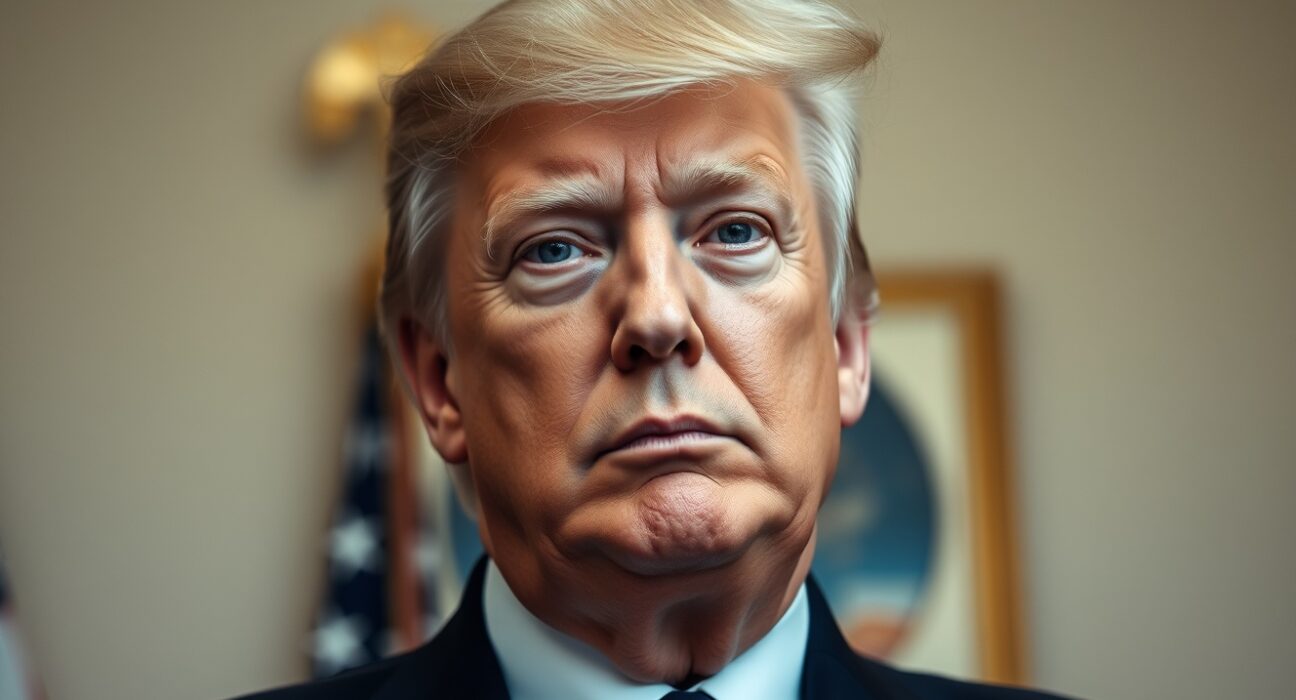
WASHINGTON, D.C. – In a significant foreign policy declaration, former President Donald Trump has publicly stated his opposition to extending the current ceasefire agreement, marking a potential turning point in international diplomatic efforts. This announcement carries substantial weight for ongoing negotiations and global stability, prompting analysis from diplomatic circles worldwide.
Trump’s Position on Ceasefire Extension
President Trump’s clear statement against another ceasefire extension represents a definitive policy direction. Consequently, this position signals a shift from previous diplomatic approaches that often favored temporary pauses in conflict. Furthermore, his stance directly impacts the involved parties who may have anticipated continued negotiation windows. Historical context shows that ceasefire extensions frequently serve as bridges to more permanent agreements. However, the current administration’s view suggests a preference for decisive resolution over prolonged interim measures. This approach aligns with a broader strategy emphasizing final-status negotiations.
Context and Background of the Ceasefire
The current ceasefire emerged from intense multilateral talks earlier this year. Initially designed as a humanitarian pause, it has undergone several extensions. Key provisions included:
- Humanitarian Access: Guaranteed corridors for aid delivery.
- Military Stand-down: A cessation of offensive operations by all signatories.
- Monitoring Framework: An international observer mechanism to verify compliance.
Regional powers have invested considerable diplomatic capital in maintaining this truce. For instance, the United Nations Security Council passed a supporting resolution. Additionally, neighboring states have hosted multiple rounds of talks. The table below outlines the ceasefire’s timeline:
| Date | Event | Duration |
|---|---|---|
| March 2024 | Initial Ceasefire Agreement | 72 hours |
| April 2024 | First Extension | Two weeks |
| May 2024 | Second Extension | One month |
| June 2024 | Current Phase | Ongoing |
Expert Analysis on the Policy Shift
Foreign policy analysts note this move reflects a calculated strategic assessment. Dr. Evelyn Reed, a senior fellow at the Council on Strategic Studies, explains, “A decision against extension often pressures parties to negotiate core issues they might otherwise defer. It removes the safety net of an open-ended process.” This perspective is echoed in diplomatic reporting from the region. Moreover, intelligence assessments likely informed this posture, weighing the risks of resumed hostilities against the potential for a stalled peace process. The administration appears to prioritize a clear outcome over indefinite dialogue.
Potential Impacts and Global Reactions
The immediate impact centers on the conflict parties, who must now accelerate negotiations. International allies have expressed cautious responses, urging all sides to remain committed to peaceful dialogue. For example, European Union foreign policy chief Josep Borrell reiterated the EU’s support for a sustainable solution. Simultaneously, regional actors are recalibrating their positions in anticipation of the deadline. Market analysts also observe fluctuations in global energy prices due to regional instability concerns. Humanitarian organizations, meanwhile, are preparing contingency plans for potential escalations.
Historical Precedents in U.S. Diplomacy
This approach finds parallels in past U.S. diplomatic strategies. The Camp David Accords, for instance, succeeded partly due to firm deadlines. Conversely, open-ended processes like the Korean War armistice negotiations lasted years. The current administration’s methodology suggests a study of these historical outcomes. A key differentiator today is the real-time global media scrutiny and digital diplomacy. Therefore, the stakes for perceived success or failure are immensely public.
Conclusion
President Trump’s declaration against a further ceasefire extension establishes a clear boundary in U.S. diplomatic engagement. This policy shift emphasizes resolution over indefinite process, carrying significant implications for international security and humanitarian conditions. The coming weeks will critically test the parties’ commitment to a durable peace without the cushion of an extended truce. The global community now watches closely as this decisive stance on the ceasefire extension shapes the next chapter of conflict resolution.
FAQs
Q1: What exactly did President Trump say about the ceasefire?
President Trump stated he does not want to extend the current ceasefire agreement again, indicating a preference to conclude the interim period and push for a final resolution.
Q2: What is the immediate effect of this announcement?
The announcement creates a firm deadline for negotiations, increasing pressure on all conflict parties to reach substantive agreements before the ceasefire expires.
Q3: How have U.S. allies responded to this position?
Allies have generally urged continued dialogue and peaceful solutions, expressing hope that the decision will incentivize rather than hinder progress toward a lasting peace.
Q4: Could this decision lead to a resumption of hostilities?
While a risk exists, the stated U.S. and international goal remains a negotiated settlement. The decision aims to prevent stagnation, not provoke conflict.
Q5: Does this signal a broader change in U.S. foreign policy?
Analysts view it as part of a strategy favoring decisive timelines in diplomacy, potentially indicating a shift away from open-ended negotiation frameworks in certain contexts.
Disclaimer: The information provided is not trading advice, Bitcoinworld.co.in holds no liability for any investments made based on the information provided on this page. We strongly recommend independent research and/or consultation with a qualified professional before making any investment decisions.
