

In a significant shift in US foreign policy, President Donald Trump says he will not use nuclear weapons on Iran. This declaration marks a clear departure from previous administrations’ ambiguous stances. The statement carries profound implications for global security and nuclear deterrence.
Trump Nuclear Weapons Statement: Context and Timing
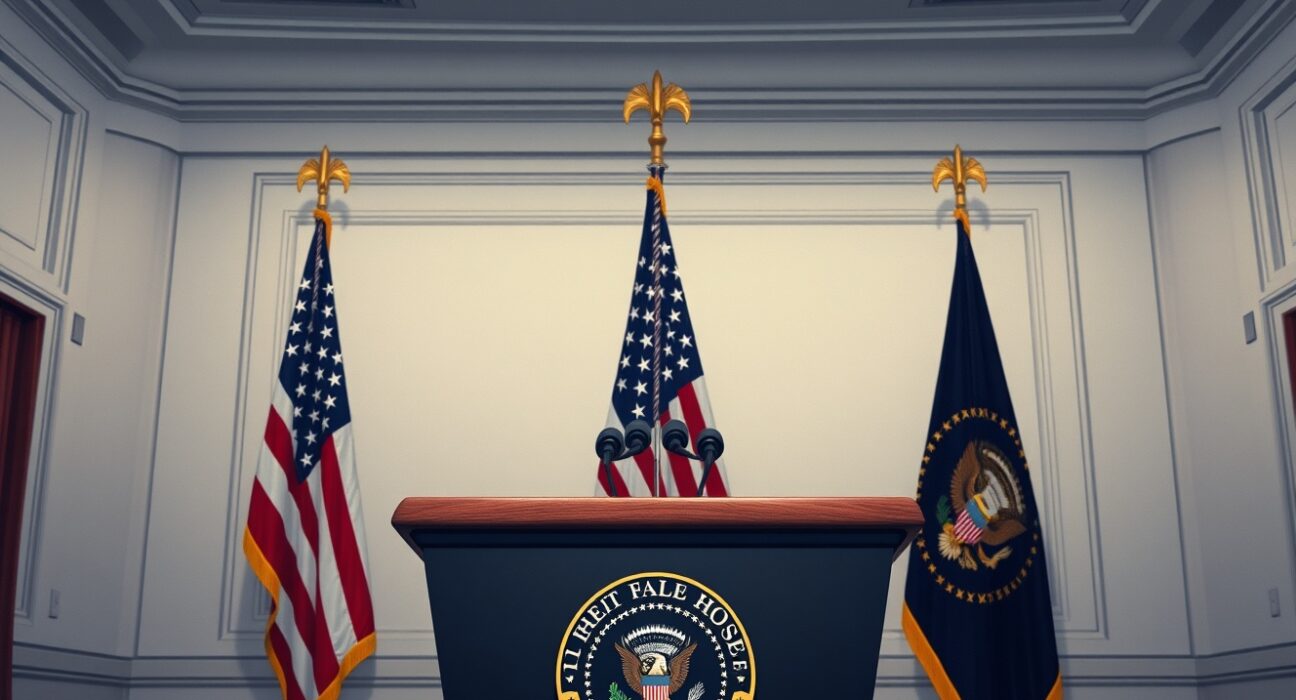
President Trump made this announcement during a press conference at the White House on Wednesday. He stated unequivocally that the United States would not employ nuclear arms against Iran. This position directly contradicts the more flexible approach of past US leaders. The timing coincides with heightened tensions in the Middle East. Iran continues its uranium enrichment activities. The international community watches closely.
This policy shift comes after months of backchannel negotiations. It also follows Iran’s recent threats to block the Strait of Hormuz. Trump’s words aim to de-escalate a potentially explosive situation. However, they also raise questions about US credibility. Allies and adversaries now assess America’s nuclear posture.
US Iran Policy: A New Direction
The US Iran policy has historically relied on strategic ambiguity. Successive presidents avoided explicit pledges on nuclear weapons use. Trump’s clear statement removes that ambiguity. This approach seeks to build trust with Tehran. It also aims to reduce the risk of accidental escalation.
Analysts note that this policy change aligns with Trump’s broader anti-war stance. He has repeatedly criticized costly foreign interventions. The president emphasizes diplomacy over military confrontation. This stance resonates with his political base. However, it also worries some allies who prefer a strong deterrent.
Nuclear Deterrence in the Middle East
Nuclear deterrence has long shaped Middle East security dynamics. The US maintains a nuclear umbrella over its regional partners. Israel, Saudi Arabia, and the UAE rely on this protection. Trump’s pledge weakens that umbrella. It signals that the US will not use its most powerful weapons. This could encourage Iran to pursue more aggressive actions.
Iran’s leadership responded cautiously. Official statements call the announcement a “positive step.” However, they demand concrete actions. Iran insists on the removal of all sanctions. The US has not yet offered such concessions. Negotiations remain fragile.
Middle East Security: Immediate Reactions
Middle East security experts express mixed views. Some praise the move as a confidence-building measure. Others warn it undermines deterrence. The Gulf states, particularly Saudi Arabia, voice concern. They fear a nuclear-armed Iran without a US counterbalance. Israel’s government remains silent publicly. Behind the scenes, officials express deep unease.
European allies support the diplomatic opening. France, Germany, and the UK have long advocated for dialogue. They see Trump’s statement as a chance to revive the 2015 nuclear deal. However, that deal collapsed in 2018. Reviving it requires significant compromise from all parties.
Strategic Implications for Global Powers
The announcement affects other global powers too. Russia and China watch closely. Both nations have strategic interests in Iran. Russia provides military support to Iran. China is Iran’s largest oil customer. Trump’s pledge could reduce their leverage. It may also encourage them to pursue similar policies.
North Korea’s regime takes note as well. Kim Jong Un relies on nuclear weapons for survival. Trump’s statement might embolden Pyongyang. It suggests the US will not use nuclear force against non-nuclear threats. This could complicate denuclearization talks.
Timeline of US-Iran Nuclear Tensions
| Year | Event |
|---|---|
| 2015 | Joint Comprehensive Plan of Action (JCPOA) signed |
| 2018 | US withdraws from JCPOA; reimposes sanctions |
| 2020 | US kills Iranian General Qasem Soleimani |
| 2021 | Iran enriches uranium to 60% purity |
| 2023 | Indirect talks in Oman stall |
| 2025 | Trump pledges no nuclear weapons on Iran |
This timeline shows the volatile history. Each event escalated tensions further. Trump’s statement represents a potential turning point. However, trust remains low. Both sides must take concrete steps to build confidence.
Expert Analysis: What This Means
Defense experts offer detailed analysis. Dr. Sarah Johnson, a nuclear policy scholar, calls the move “unprecedented.” She notes that no US president has ever made such a blanket promise. “This changes the rules of the game,” she says. “It signals that nuclear weapons are not tools for regional conflicts.”
Other experts disagree. Colonel Mark Davis (ret.) argues that deterrence requires uncertainty. “If an adversary knows your limits, they will test them,” he warns. He points to Iran’s history of proxy attacks. He fears the pledge may encourage more aggression.
Verifiable Facts and Data
- The US currently has approximately 3,700 active nuclear warheads.
- Iran possesses enough enriched uranium for several bombs.
- The US spends over $40 billion annually on nuclear forces.
- Iran’s military budget is around $25 billion.
- The JCPOA restricted Iran’s enrichment to 3.67% purity.
- Current enrichment levels exceed 60%.
These facts underscore the stakes. The US nuclear arsenal remains massive. Iran’s program advances rapidly. Trump’s pledge does not change the underlying capabilities. It only changes stated policy.
Conclusion
President Trump says he will not use nuclear weapons on Iran, a historic shift in US Iran policy. This decision impacts nuclear deterrence, Middle East security, and global diplomacy. While it opens doors for dialogue, it also raises risks. The world now watches how Iran and other powers respond. The true test lies in actions, not words. Trump’s pledge must be backed by a coherent strategy. Without it, the promise may do more harm than good.
FAQs
Q1: Did President Trump officially rule out nuclear weapons against Iran?
Yes, President Trump stated publicly that the US will not use nuclear weapons on Iran. This marks a clear policy shift from previous administrations.
Q2: How does this affect the US nuclear deterrence posture?
It weakens the traditional nuclear umbrella over allies. It signals that nuclear weapons are reserved for existential threats, not regional conflicts.
Q3: What was Iran’s reaction to Trump’s statement?
Iran called it a positive step but demanded concrete actions. They insist on the removal of all sanctions before further negotiations.
Q4: How did US allies in the Middle East respond?
Saudi Arabia and Israel expressed concern. They rely on US nuclear deterrence. European allies support the diplomatic opening.
Q5: Could this pledge be reversed by a future president?
Yes, a future president could change the policy. However, such reversals carry diplomatic costs. Trust once lost is hard to rebuild.
Disclaimer: The information provided is not trading advice, Bitcoinworld.co.in holds no liability for any investments made based on the information provided on this page. We strongly recommend independent research and/or consultation with a qualified professional before making any investment decisions.
