

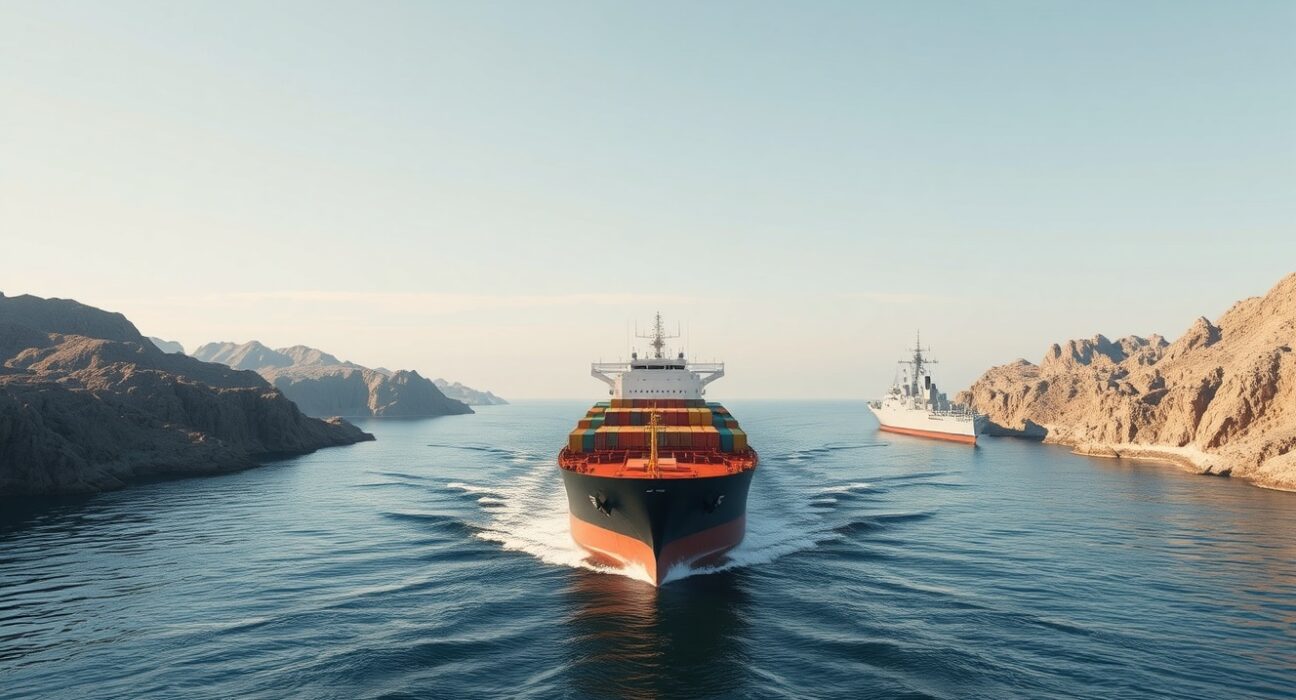
Washington, D.C. — U.S. President Donald Trump announced on [date] that he would resume the naval blockade against Iran, escalating economic pressure on the Tehran government. In a statement, Trump also declared that the United States would be “reimbursed at a rate of 20% on all cargo shipped” through the Strait of Hormuz to cover the cost of providing security in the vital waterway.
Background and Context
The Strait of Hormuz is a narrow passage between the Persian Gulf and the Gulf of Oman, through which approximately 20% of the world’s oil transits daily. The waterway has long been a flashpoint in U.S.-Iran tensions, with both nations asserting competing claims over navigation rights and regional security. The blockade, initially imposed during the Trump administration’s first term, was part of a broader strategy of “maximum pressure” aimed at curbing Iran’s nuclear program and regional influence.
Key Details of the Announcement
Trump’s latest directive goes beyond previous measures by introducing a 20% levy on all cargo passing through the strait. According to the statement, this fee is intended to reimburse the U.S. for naval patrols, surveillance, and escort operations that ensure safe passage for commercial shipping. The announcement did not specify how the reimbursement would be collected or enforced, raising questions about its practical implementation.
Geopolitical and Market Implications
The resumption of the blockade and the new reimbursement policy are likely to have significant repercussions. Global oil markets may face increased volatility, as the Strait of Hormuz is a critical chokepoint for crude shipments from Saudi Arabia, Iraq, Kuwait, the UAE, and Qatar. Shipping companies and insurers could see higher costs, which may be passed on to consumers. Iran has previously threatened to disrupt shipping in the strait in response to pressure, and analysts warn of potential retaliatory actions.
Reactions and Next Steps
Reactions from international allies and adversaries have been mixed. European Union officials expressed concern over the economic impact, while Gulf Arab states, many of which rely on the strait for exports, have not yet issued formal responses. Iran’s government condemned the move as “piracy” and vowed to defend its maritime rights. The U.S. State Department is expected to release further details on the enforcement mechanism in the coming days.
Conclusion
Trump’s order to resume the Iran blockade and impose a 20% cargo reimbursement marks a sharp escalation in U.S. pressure on Tehran. The policy carries significant implications for global energy markets, regional stability, and international maritime law. As details emerge, stakeholders across the shipping, energy, and geopolitical sectors will be closely monitoring developments in the Strait of Hormuz.
FAQs
Q1: What is the Strait of Hormuz and why is it important?
A1: The Strait of Hormuz is a narrow waterway connecting the Persian Gulf to the Gulf of Oman. It is a critical transit route for about 20% of the world’s oil supply, making it strategically vital for global energy markets.
Q2: How will the 20% reimbursement be enforced?
A2: The U.S. has not yet provided details on enforcement. It may involve inspections, fees imposed on shipping companies, or coordination with allied navies. Further guidance from the State Department is expected.
Q3: What are the potential impacts on oil prices?
A3: The blockade and new fee could increase shipping costs and insurance premiums, potentially raising oil prices. Market volatility is likely as traders assess the risk of supply disruptions or Iranian retaliation.
Disclaimer: The information provided is not trading advice, Bitcoinworld.co.in holds no liability for any investments made based on the information provided on this page. We strongly recommend independent research and/or consultation with a qualified professional before making any investment decisions.
