

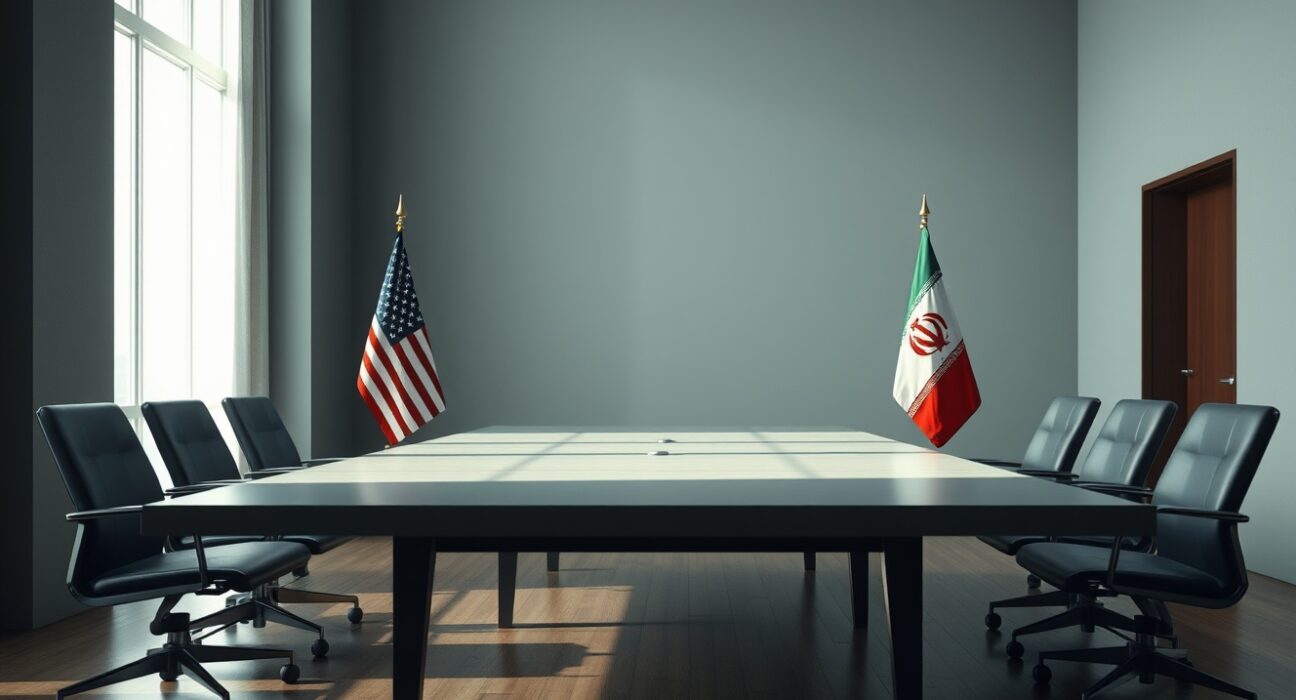
U.S. President Donald Trump announced that negotiations between the United States and Iran have entered their final stage, marking a potentially decisive moment in months of diplomatic efforts to address Iran’s nuclear program. The statement, delivered without providing a specific timeline, signals that both sides may be nearing a framework agreement or, alternatively, facing an imminent breakdown in talks.
Context and Background of the Talks
The negotiations, which have been conducted indirectly through European and Gulf intermediaries, focus on limiting Iran’s uranium enrichment capabilities in exchange for relief from economic sanctions. Trump’s characterization of the talks as being in their “final stage” suggests that key sticking points — including inspection protocols, the pace of sanctions relief, and the duration of any agreement — are being resolved or have reached an impasse.
What This Means for Regional Stability
The outcome of these negotiations carries significant implications for the Middle East and global energy markets. Iran has consistently denied seeking nuclear weapons, but the International Atomic Energy Agency (IAEA) has reported that Iran’s enriched uranium stockpile exceeds limits set by the 2015 Joint Comprehensive Plan of Action (JCPOA). A successful agreement could de-escalate tensions, while a failure might increase the risk of military confrontation or further nuclear development.
Market and Diplomatic Reactions
Oil prices have shown volatility in response to signals from the talks, and Gulf states are closely monitoring developments. European allies have urged a diplomatic solution, while Israel has expressed skepticism about the terms being discussed. The final stage designation may also be a negotiating tactic to pressure both sides into making concessions.
Conclusion
Trump’s announcement that U.S.-Iran negotiations are in their final stage brings the long-running diplomatic process to a critical juncture. Whether this leads to a new agreement or a breakdown will have lasting consequences for nonproliferation efforts, regional security, and international relations. Readers should watch for official statements from both governments and the IAEA in the coming days for verified developments.
FAQs
Q1: What does “final stage” mean in the context of these negotiations?
It indicates that the parties believe they are close to either reaching a final agreement or concluding that no deal is possible. It does not guarantee a successful outcome.
Q2: What are the main issues still being negotiated?
Key issues include the level of uranium enrichment Iran is permitted, the scope of international inspections, the timeline for sanctions relief, and the duration of any new agreement.
Q3: How might this affect global oil prices?
If a deal is announced, oil prices could drop on expectations of increased Iranian exports. If talks collapse, prices may rise due to heightened geopolitical risk and potential supply disruptions.
Disclaimer: The information provided is not trading advice, Bitcoinworld.co.in holds no liability for any investments made based on the information provided on this page. We strongly recommend independent research and/or consultation with a qualified professional before making any investment decisions.
