

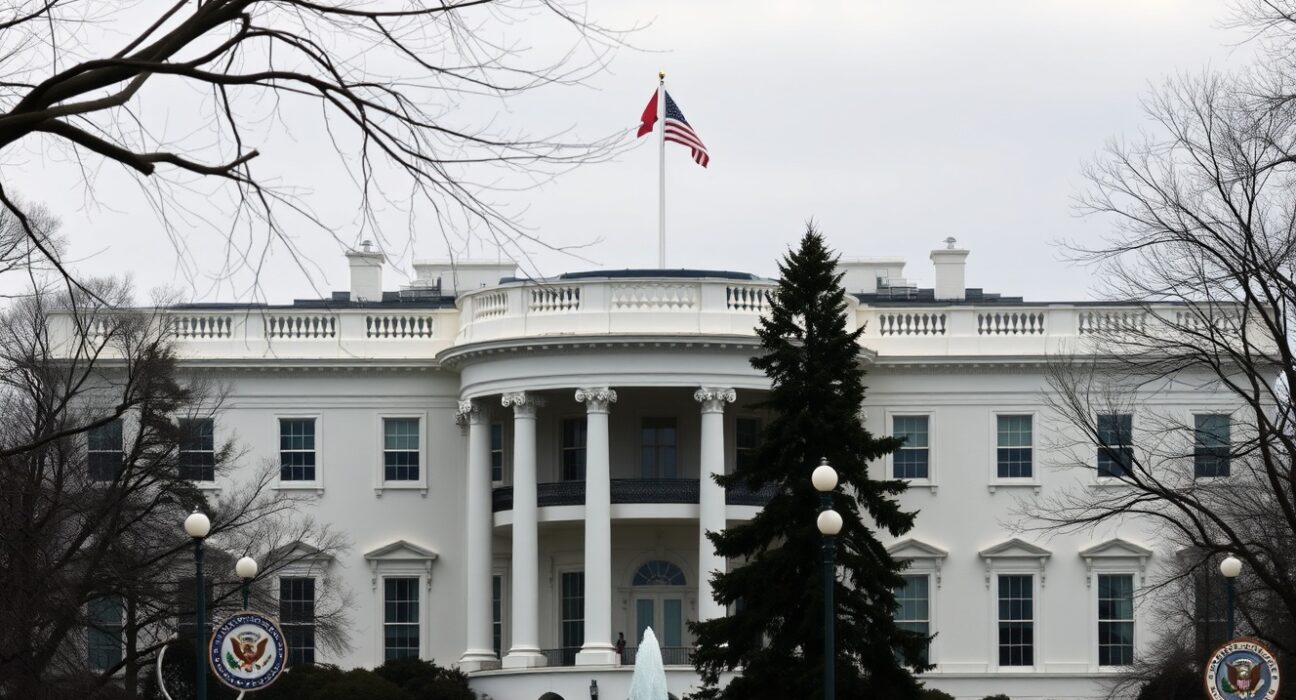
U.S. President Donald Trump stated on May 21 that he will not allow Iran to obtain nuclear weapons, reaffirming a hardline stance that has defined his administration’s approach to the Islamic Republic. The declaration, made during a press briefing, underscores the ongoing standoff between Washington and Tehran over the latter’s nuclear activities.
Context of the Statement
The president’s remarks come amid heightened tensions in the Middle East, where Iran’s nuclear program has advanced significantly since the U.S. withdrawal from the 2015 Joint Comprehensive Plan of Action (JCPOA) in 2018. International inspectors have reported that Iran now enriches uranium to levels close to weapons-grade, raising alarms across Western capitals.
Trump’s vow is consistent with his previous calls for a ‘maximum pressure’ campaign, which includes economic sanctions and diplomatic isolation. However, critics argue that such policies have not halted Iran’s progress and may have accelerated it by removing constraints imposed by the nuclear deal.
Regional and Global Implications
The statement has immediate implications for Iran’s neighbors, including Israel and Saudi Arabia, both of which view a nuclear-armed Iran as an existential threat. Israeli officials have repeatedly warned of preemptive military action if diplomatic efforts fail. Meanwhile, European signatories to the JCPOA continue to seek a negotiated solution, though progress has been limited.
From a global nonproliferation perspective, the situation tests the effectiveness of the Treaty on the Non-Proliferation of Nuclear Weapons (NPT). Iran maintains that its nuclear program is peaceful, but the International Atomic Energy Agency (IAEA) has documented undeclared nuclear materials at multiple sites.
Why This Matters to Readers
For readers, this is not merely a diplomatic flashpoint. A nuclear-armed Iran could trigger a regional arms race, disrupt global oil markets, and increase the risk of military conflict involving major powers. The outcome of this standoff will shape Middle Eastern geopolitics for decades.
Additionally, U.S. policy toward Iran affects American taxpayers, who fund military readiness in the region, and influences global energy prices, which directly impact household costs.
Conclusion
President Trump’s vow to prevent Iran from obtaining nuclear weapons is a continuation of a long-standing U.S. policy objective. However, the effectiveness of this approach remains uncertain given Iran’s technological advances and the lack of a viable diplomatic framework. The coming months will be critical in determining whether deterrence, negotiation, or escalation prevails.
FAQs
Q1: Has Iran actually developed a nuclear weapon?
No. Iran has not yet built a nuclear weapon, but it has enriched uranium to 60% purity, which is a short technical step away from weapons-grade (90%). IAEA inspectors continue to monitor its activities.
Q2: What is the ‘maximum pressure’ campaign?
It is a U.S. policy of imposing severe economic sanctions on Iran to force it to renegotiate its nuclear program. Critics say it has not changed Iran’s behavior and has harmed ordinary Iranians.
Q3: Could this lead to war?
The risk of military conflict exists, particularly if Iran accelerates its enrichment or if Israel launches preemptive strikes. However, both sides have so far avoided direct confrontation. Diplomatic channels remain open, though strained.
Disclaimer: The information provided is not trading advice, Bitcoinworld.co.in holds no liability for any investments made based on the information provided on this page. We strongly recommend independent research and/or consultation with a qualified professional before making any investment decisions.
