

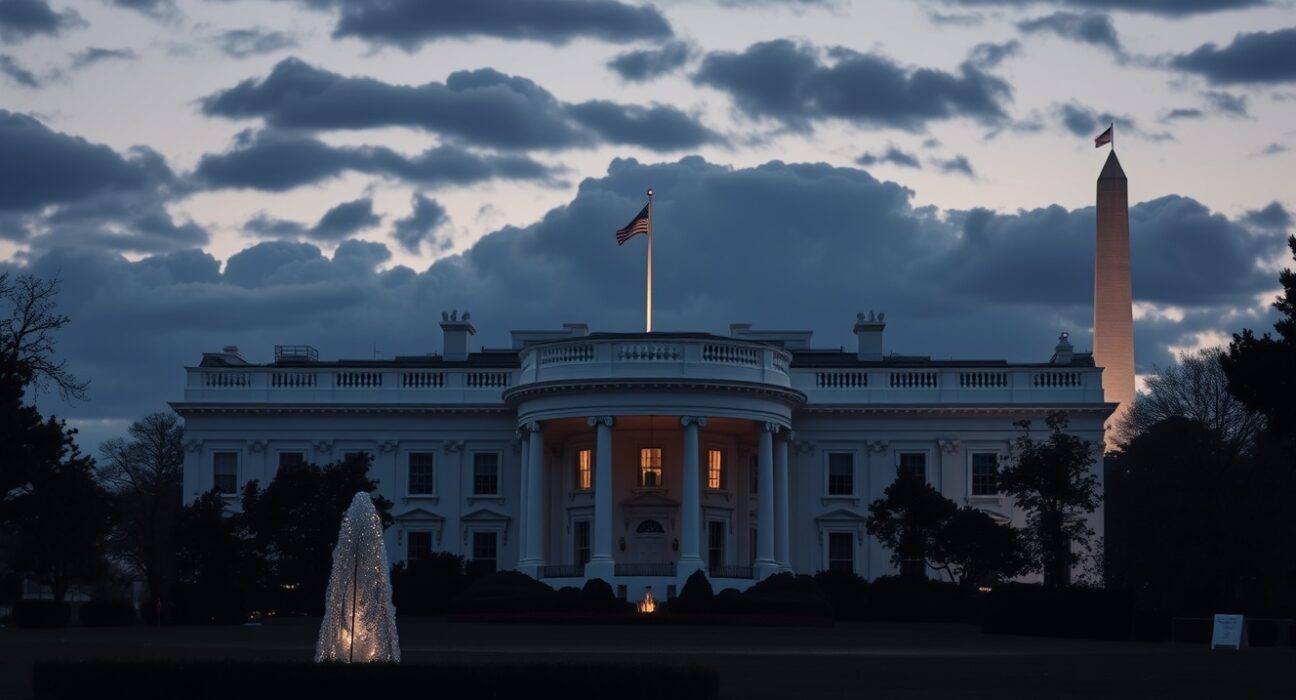
Washington, D.C. — US President Donald Trump is seriously considering a return to active combat operations following a period of relative military restraint, according to a report from CNN citing multiple unnamed administration officials. The development marks a potential shift in the administration’s approach to ongoing conflicts, particularly in the Middle East and Eastern Europe.
Background and Context
For weeks, the Trump administration had signaled a preference for diplomatic engagement and de-escalation in several key theaters, including Ukraine and the Israeli-Palestinian conflict. However, according to the CNN report, recent intelligence assessments and shifting geopolitical dynamics have prompted the White House to reevaluate its posture. The president is said to be weighing options that could include increased airstrikes, special operations raids, or a broader military campaign.
The report does not specify which theaters are under consideration, but analysts point to ongoing tensions with Iran-backed militias in Iraq and Syria, as well as stalled peace talks in Ukraine, as potential flashpoints. The administration has not issued an official statement, and the White House press office declined to comment on internal deliberations.
Implications for US Foreign Policy
A resumption of combat operations would represent a significant departure from the administration’s recent public messaging, which emphasized restraint and a focus on domestic priorities. Military experts warn that any escalation carries risks of broadening existing conflicts and increasing US troop exposure.
“The president’s national security team is divided,” said Dr. Sarah Mitchell, a former State Department analyst now at the Center for Strategic and International Studies. “Some advisers argue that a show of force is necessary to maintain credibility with adversaries, while others caution that a return to large-scale operations could undermine diplomatic gains.”
The potential move also raises questions about congressional oversight. Under the War Powers Resolution, the president must notify Congress within 48 hours of committing US forces to hostilities. Any sustained campaign would likely require new authorization, a politically fraught process in a divided Congress.
Market and Global Reactions
News of the potential shift has already rippled through financial markets. Crude oil prices edged higher in early trading on Monday, while defense sector stocks saw modest gains. European and Asian allies are reportedly seeking clarification from US diplomats, according to diplomatic sources.
The United Nations has called for restraint, with a spokesperson urging all parties to prioritize dialogue. Meanwhile, human rights organizations have expressed concern about the potential for civilian casualties in any new military campaign.
Conclusion
While no final decision has been made, the CNN report underscores the fluid nature of US national security policy under the current administration. The coming days are likely to bring further clarity as the president consults with his national security team and key allies. For now, the world watches for signs of whether the period of restraint is truly ending.
FAQs
Q1: Has President Trump confirmed the report?
No. The White House has not officially confirmed or denied the CNN report. The story is based on unnamed administration officials, and the situation remains fluid.
Q2: Which regions could be affected by a resumption of combat operations?
While the report does not specify, analysts point to the Middle East (particularly Iraq and Syria) and Eastern Europe (Ukraine) as potential theaters. The administration has also maintained a military presence in the Indo-Pacific.
Q3: What would be the legal basis for new combat operations?
The president has the authority to order limited military action under his constitutional powers as commander-in-chief, but any sustained campaign would likely require congressional authorization under the War Powers Resolution. Existing Authorizations for Use of Military Force (AUMFs) from 2001 and 2002 remain in effect but are considered outdated by many legal scholars.
Disclaimer: The information provided is not trading advice, Bitcoinworld.co.in holds no liability for any investments made based on the information provided on this page. We strongly recommend independent research and/or consultation with a qualified professional before making any investment decisions.
