

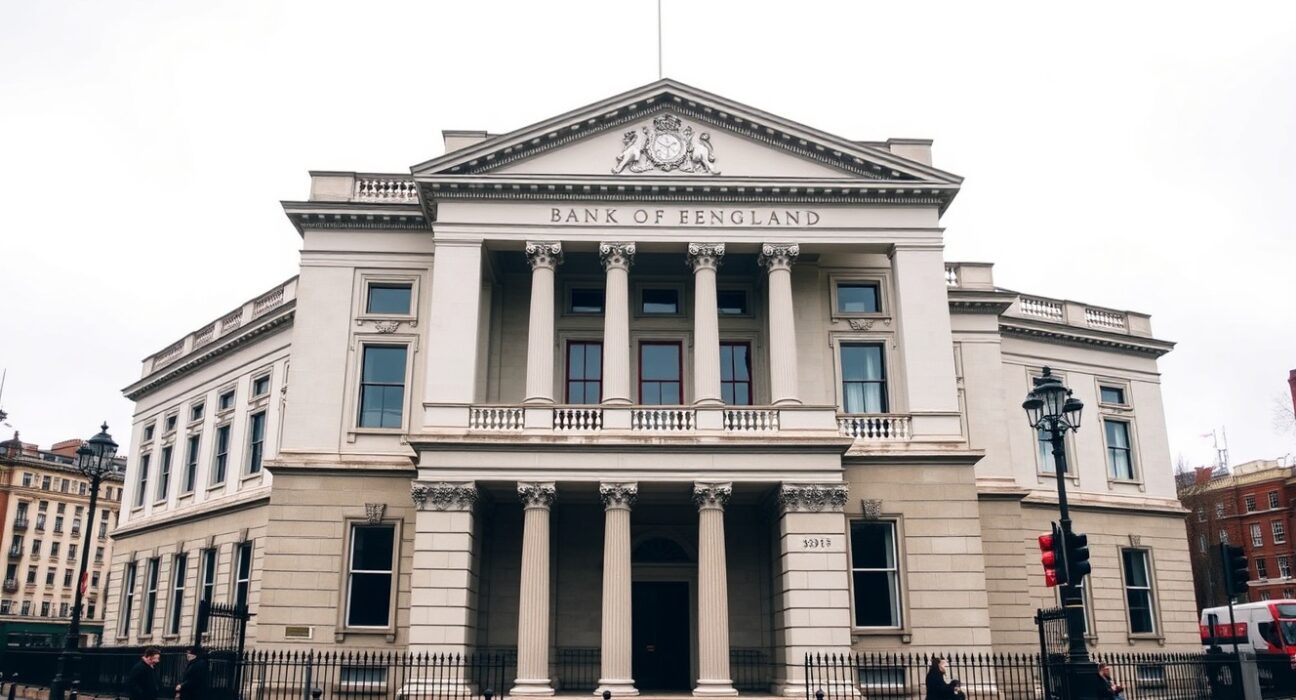
The persistence of core inflation in the United Kingdom is complicating the Bank of England’s (BoE) monetary policy trajectory, according to a new analysis from Nomura. As of early 2025, the data suggests that underlying price pressures remain stickier than anticipated, challenging expectations for a swift easing cycle.
Nomura’s Assessment of Core CPI Trends
Nomura’s research indicates that UK core CPI, which excludes volatile items like food and energy, is proving more resilient than headline figures might suggest. This resilience is attributed to sustained services inflation and wage pressures that are slow to recede. The analysis points to a potential scenario where the BoE may need to maintain a restrictive stance for longer than markets currently price in, delaying rate cuts into the latter half of 2025 or beyond.
Implications for the Bank of England’s Policy Path
The stickiness of core inflation presents a significant challenge for the BoE’s Monetary Policy Committee (MPC). While headline inflation has fallen from its peaks, the underlying data complicates the narrative of a return to the 2% target. Nomura’s view suggests that the MPC will proceed with caution, likely pausing any rate cuts until there is clearer evidence that domestic price pressures are sustainably easing. This could lead to a divergence between market expectations for rapid easing and the BoE’s more measured approach.
Market and Economic Impact
For investors and businesses, this analysis underscores the importance of watching core CPI and services inflation as key indicators. A prolonged period of high rates could further dampen economic growth, but premature easing risks reigniting inflation. The pound and UK gilt yields may see increased volatility as markets adjust their expectations to align with a potentially slower rate-cutting cycle. Consumers may continue to face elevated borrowing costs, affecting mortgages and business loans.
Conclusion
Nomura’s warning highlights a critical tension in the UK economic outlook: the battle against inflation is not yet won, particularly in its more stubborn components. The BoE’s path forward is likely to be data-dependent and cautious, with core CPI resilience acting as a key brake on policy normalization. Market participants should prepare for a scenario where rates stay higher for longer, with the first cut potentially delayed until there is definitive proof that domestic price pressures have cooled.
FAQs
Q1: What is core CPI and why does it matter for the Bank of England?
Core CPI is a measure of inflation that excludes volatile items like food and energy. It matters because it provides a clearer picture of underlying, domestic price pressures, which are more directly influenced by the BoE’s monetary policy. Sticky core inflation suggests that the economy is still generating excess price growth, making it harder for the BoE to cut interest rates without risking a resurgence of inflation.
Q2: How does Nomura’s analysis differ from current market expectations?
Nomura’s analysis suggests that core inflation will remain more resilient than many market participants currently anticipate. This implies that the BoE will be slower to cut rates than what is priced into financial markets, potentially delaying the first rate cut and reducing the total number of cuts expected in 2025.
Q3: What should investors and consumers watch for in the coming months?
Investors should monitor monthly UK CPI releases, particularly the services inflation component and wage growth data. The BoE’s meeting minutes and voting patterns will also provide clues. For consumers, the key implication is that mortgage rates and other borrowing costs may remain elevated for longer than previously hoped, requiring careful financial planning.
Disclaimer: The information provided is not trading advice, Bitcoinworld.co.in holds no liability for any investments made based on the information provided on this page. We strongly recommend independent research and/or consultation with a qualified professional before making any investment decisions.
