

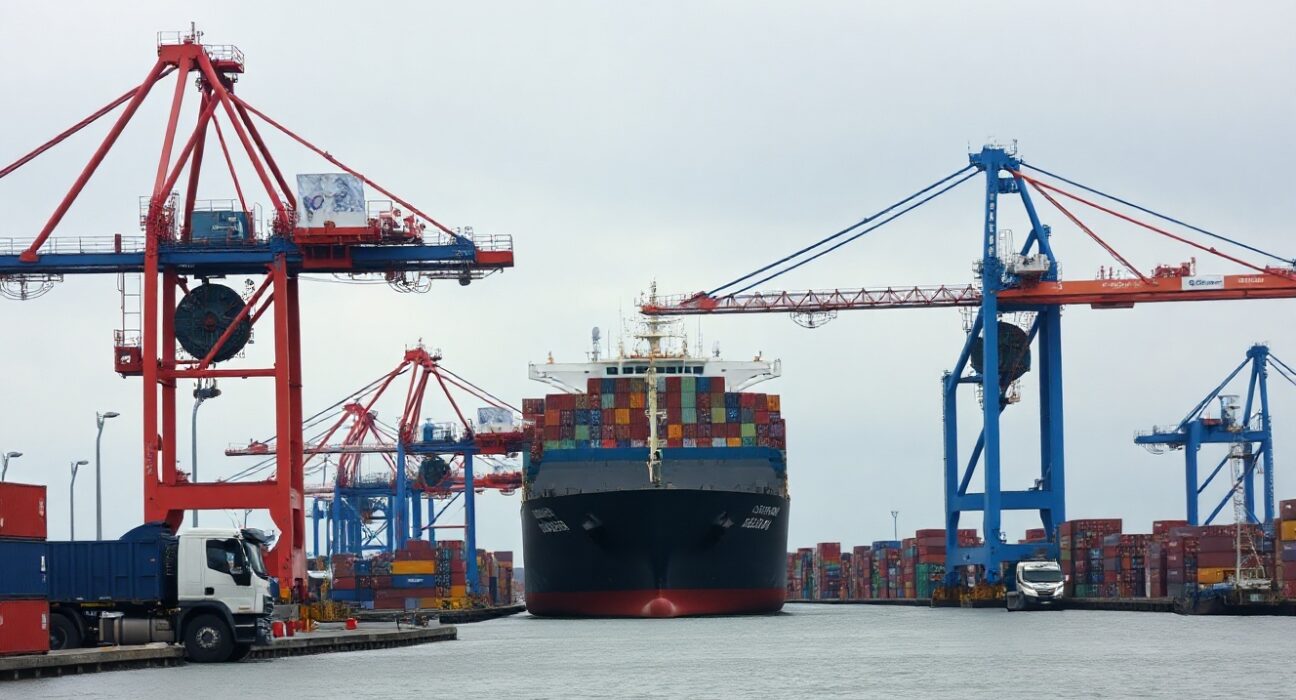
The United Kingdom’s goods trade balance registered at £-23.007 billion in June, a larger deficit than the £-20.5 billion forecast, according to official data released this month. This widening shortfall underscores ongoing pressures in the UK’s external trade sector, with imports outpacing exports more than analysts had anticipated.
What the latest data reveals
The June figure marks a notable miss against market expectations, indicating that the UK’s trade in goods continues to struggle. The deficit reflects the difference between the value of goods imported and exported, and a wider gap often points to weaker export performance or stronger domestic demand for foreign products. While the Office for National Statistics (ONS) typically publishes this data alongside broader GDP and trade reports, the headline number alone signals that net trade may have acted as a drag on economic growth in the second quarter.
Economists had predicted a deficit of £-20.5 billion, but the actual outturn of £-23.007 billion suggests that global demand for UK goods may be softening, or that import prices have risen, possibly due to currency fluctuations or supply chain costs. The data also comes at a time when the Bank of England is closely monitoring inflationary pressures, and a wider trade deficit can influence the pound’s value and future monetary policy decisions.
Implications for the UK economy and markets
A larger-than-expected trade deficit can weigh on the British pound, as it implies more currency leaving the country than entering through trade. For businesses, this could mean higher costs for imported raw materials and components, potentially feeding into consumer prices. Conversely, exporters may find it harder to compete if the pound strengthens, although a weaker pound typically makes UK goods cheaper abroad.
The data also provides context for the Bank of England’s interest rate path. Policymakers often view trade balances as a signal of economic health, and a widening deficit might reinforce expectations of a more cautious approach to rate cuts. For investors, the miss could lead to adjustments in forecasts for UK GDP growth, as net trade is a component of the national accounts.
What should readers watch next
Looking ahead, market participants will be watching for revisions to the June data, as well as the next monthly release, to see if this trend persists. Additionally, the breakdown of exports and imports by sector—such as machinery, chemicals, or food—can offer deeper insights into which industries are driving the deficit. For now, the June figure adds to a mixed picture of the UK economy, which has shown resilience in services but faces headwinds in manufacturing and trade.
Conclusion
The UK’s goods trade deficit widened to £-23.007 billion in June, exceeding forecasts and highlighting ongoing challenges in the country’s external trade. While a single month’s data should be interpreted with caution, the miss underscores the need for continued monitoring of trade flows, currency movements, and broader economic policy responses.
FAQs
Q1: What is the goods trade balance?
The goods trade balance measures the difference between a country’s exports and imports of physical goods. A negative balance indicates a trade deficit, meaning imports exceed exports.
Q2: Why does the trade deficit matter?
A trade deficit can affect a country’s currency value, economic growth, and inflation. A wider deficit may weigh on GDP and influence central bank policy decisions.
Q3: How often is this data released?
The ONS typically publishes trade data on a monthly basis, usually as part of the UK’s economic releases, with figures available about six weeks after the reporting period ends.
Disclaimer: The information provided is not trading advice, Bitcoinworld.co.in holds no liability for any investments made based on the information provided on this page. We strongly recommend independent research and/or consultation with a qualified professional before making any investment decisions.
