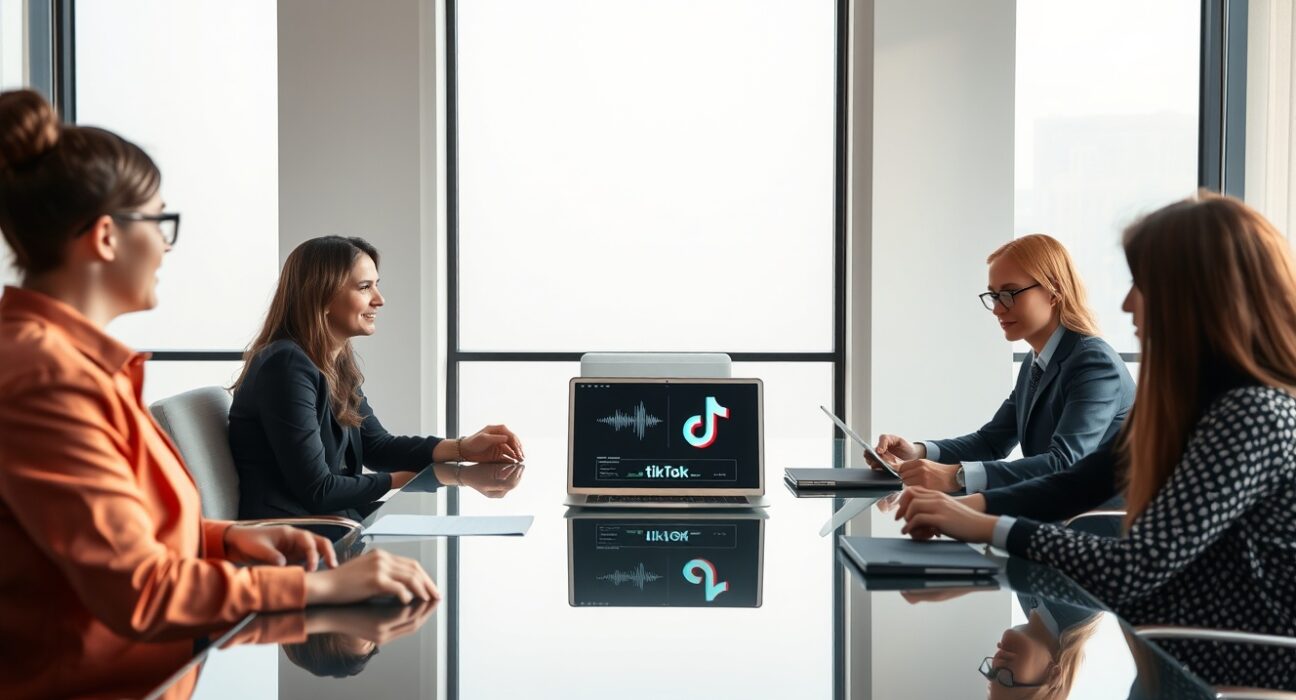
Universal Music Group (UMG) and TikTok have renewed their licensing agreement, marking a significant step in the music industry’s efforts to address the growing challenge of unauthorized AI-generated content on social platforms. The renewed deal includes a formal commitment from both parties to identify and remove AI-generated music that infringes on artists’ rights, while also improving how creators and songwriters are credited for their work.
A new framework for AI accountability in music
In their joint announcement, UMG described the agreement as extending a “groundbreaking commitment to AI protections that promote human artistry and ensure platform economics effectively flow through to artists and songwriters.” The partnership specifically targets unauthorized AI-generated music — tracks created using generative AI tools that mimic established artists’ voices or styles without permission — which has become an increasingly urgent issue for the recording industry.
The agreement comes after a period of heightened tension between the two companies. In early 2024, UMG publicly accused TikTok of failing to adequately address copyright infringement and AI-generated content on its platform. The dispute escalated to the point where UMG temporarily removed its entire catalog from TikTok, a move that underscored the platform’s heavy reliance on major label content. Popular songs from artists like Taylor Swift, Drake, and Billie Eilish vanished from user videos overnight, disrupting the creative workflow of millions of creators.
Why this matters for the music industry
The timing of the renewed deal is notable. Over the past two years, the music industry has faced an influx of AI-generated tracks that convincingly mimic well-known artists. Viral songs imitating Drake, The Weeknd, and other major names have racked up millions of streams before being taken down, raising questions about copyright enforcement, artist compensation, and the limits of current content moderation systems.
Industry analysts view this agreement as a potential template for how other platforms — including Spotify, YouTube, and Apple Music — may need to formalize their own AI governance frameworks. As regulatory pressure intensifies, particularly in the European Union where the AI Act is being implemented, and as U.S. states introduce their own legislation, platforms face growing expectations to demonstrate proactive enforcement rather than reactive takedowns.
What the deal means for artists and songwriters
Beyond the AI provisions, the renewed agreement also focuses on improving attribution for songwriters and performers. TikTok has been working to strengthen its relationships with the music industry through initiatives like “TikTok for Artists,” a data and insights platform launched last year that helps musicians understand their audience and optimize promotional strategies. The platform has been positioning itself as a meaningful revenue source for rights holders, and this deal reinforces that narrative.
For independent artists and smaller labels, the agreement signals that major platforms are beginning to take the AI threat seriously. However, questions remain about how effectively TikTok will be able to detect and remove unauthorized AI-generated content at scale, especially as generative AI tools become more sophisticated and accessible.
Broader implications for tech and regulation
The UMG-TikTok deal arrives at a moment when the intersection of AI, intellectual property, and platform accountability is under intense scrutiny. Lawmakers in Brussels and Washington are actively debating how to regulate AI-generated content without stifling innovation. The music industry’s approach — direct contractual agreements between rights holders and platforms — may offer a more immediate and flexible solution than legislation, which can take years to enact.
For TikTok, the deal is also strategically important. The platform has faced skepticism from the music industry about its ability to generate meaningful revenue for artists, especially compared to established streaming services. By committing to AI protections and improved attribution, TikTok is signaling that it wants to be seen as a responsible partner rather than a disruptor that exploits creative work.
Conclusion
The renewed UMG-TikTok licensing agreement represents a pragmatic response to one of the most pressing challenges facing the music industry today. By formalizing commitments to remove unauthorized AI-generated music and improve artist attribution, both companies are taking steps that could influence how the broader digital ecosystem handles the collision of generative AI and intellectual property. The real test will be in enforcement — whether TikTok can effectively police its vast content library at scale, and whether this agreement becomes a blueprint for the rest of the industry.
FAQs
Q1: What exactly does the UMG-TikTok agreement say about AI-generated music?
The agreement commits both companies to work together to identify and remove unauthorized AI-generated music from TikTok. It also includes provisions to improve attribution for artists and songwriters whose work is used on the platform.
Q2: Why did UMG temporarily remove its music from TikTok in 2024?
UMG pulled its catalog after accusing TikTok of inadequately addressing copyright infringement and AI-generated content issues. The dispute highlighted the growing tension between major labels and platforms over how AI-generated content should be managed.
Q3: How does this deal affect independent artists and smaller labels?
While the agreement directly involves UMG’s roster, it sets a precedent for how platforms may handle AI-generated content more broadly. Independent artists and labels may benefit if TikTok applies similar standards across its entire content moderation system, though enforcement details remain to be seen.
Disclaimer: The information provided is not trading advice, Bitcoinworld.co.in holds no liability for any investments made based on the information provided on this page. We strongly recommend independent research and/or consultation with a qualified professional before making any investment decisions.