
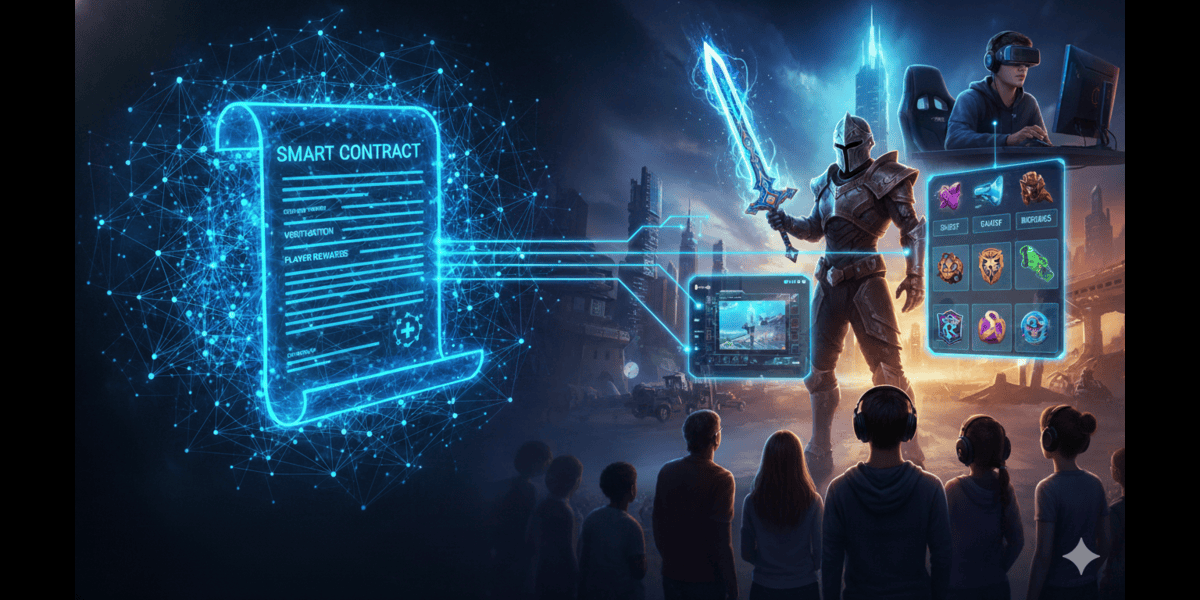
In the world of online gambling, choosing a reputable bitcoin casino can be the first real taste of a thriving crypto casino landscape. But behind the shiny graphics and fast payouts sits a quiet piece of code that keeps the wheels turning—smart contracts. Most gamers have heard the term tossed around when blockchain games make headlines, yet very few understand why it matters. Smart contracts are self-executing agreements written directly into the blockchain. They promise fair play, instant rewards, and freedom from middlemen. That promise, however, is only as strong as the code itself. As modern gaming pushes deeper into digital ownership and virtual economies, gamers need to know how these automatic rules shape every trade, battle, and loot drop. This article breaks down the role smart contracts play in today’s games, explains the benefits they bring, and looks honestly at the challenges still ahead. By the end, readers will see how lines of code can transform playtime into something truly revolutionary.
How Smart Contracts Power Fair Play
At its core, a smart contract is an electronic program tied to a blockchain that executes when certain criteria are met – for instance in multiplayer gaming these can include conditions like “player A defeated player B”. Once met, this code automatically activates and triggers without the need for human intervention; such triggers might include simply being defeated by player A in battle royale mode or winning at any of your online matches. As soon as a server registers a win, the contract automatically transfers prize tokens to the winner’s wallet. Because every execution is recorded on an open ledger, anyone can verify whether or not their reward was correctly paid out. Transparency reduces the need for a central authority to settle disputes in competitive online arenas, an often-thorny issue. Developers can publish the contract’s code for open review by the community and look out for any flaws prior to launch. When players know victory conditions and payouts are set in stone, they spend less time worrying about rigged matches and more time on strategy development.
Enabling True Ownership of In-Game Assets
Enabling True Ownership of In-Game Assets In the past, every sword, skin or piece of land collected by players resided on a company server; should their publisher close down the game suddenly, those hard-earned assets disappeared overnight. Now however, True Ownership of In-Game Assets enables true ownership over these digital items accumulated. Smart contracts reinvent that model by minting each asset as an NFT on the blockchain, setting forth who owns and what can be done with each token, creating an independent record for every studio that owns one or more assets. Players can trade or sell their loot in open marketplaces between games that use the same standard, without worrying that an arbitrator might interfere and remove or freeze an item without first consulting its owner’s signature. This trend ensures digital goods become personal property rather than rental privileges, encouraging designers to consider balanced economies when creating overly powerful or unlimited items; doing otherwise could devalue an entire network rather than just one title today.
Streamlining In-Game Economies and Payments
Beyond ownership, smart contracts handle the day-to-day flow of coins inside a game world. Instead of routing purchases through credit-card processors and regional banks, users send a cryptocurrency transaction directly to the contract. The code immediately unlocks the new cosmetic, level, or season pass. Fees stay lower because no third party takes a slice, and international players do not wait days for currency conversions. Developers can also build royalty clauses into a contract. Every time an item changes hands on a secondary market, a small percentage flows back to the studio or original artist. This passive revenue encourages creators to keep supporting a title long after launch. Micro-tournaments provide another example: a developer can spin up a contract that holds entry fees, tracks scores, and splits the pot when the match ends. Since everything happens on-chain, payouts reach winners in seconds, discouraging chargebacks and reducing the temptation for match-fixing altogether.
Challenges and the Road Ahead
Smart contracts do not offer an instantaneous solution to gaming woes; rather, their promise lies more in their limitations. First of all, writing bug-free code can be dauntingly difficult – leaving an unsuspecting contract vulnerable to hacks which may drain prize pools or duplicate rare items. Fixing errors often requires creating a whole new contract and migrating players–an unwieldy process which could break trust among stakeholders. Second, transaction costs on popular blockchains still fluctuate wildly. Fees can skyrocket when network traffic swells, making even low-priced items prohibitively costly to purchase. Layer-two solutions and sidechains aim to address that bottleneck but add further complexity for developers as they must choose which networks support. In addition, regulatory uncertainty looms large. Governments are still trying to determine how best to classify in-game tokens, and sudden policy shifts could hinder trading in certain regions. Furthermore, mainstream audiences may be wary of crypto jargon; studios must create user interfaces that conceal wallets and gas fees with familiar buttons before adoption can truly take hold. But the road forward looks bright and collaborative.
Disclaimer: The information provided is not trading advice, Bitcoinworld.co.in holds no liability for any investments made based on the information provided on this page. We strongly recommend independent research and/or consultation with a qualified professional before making any investment decisions.