

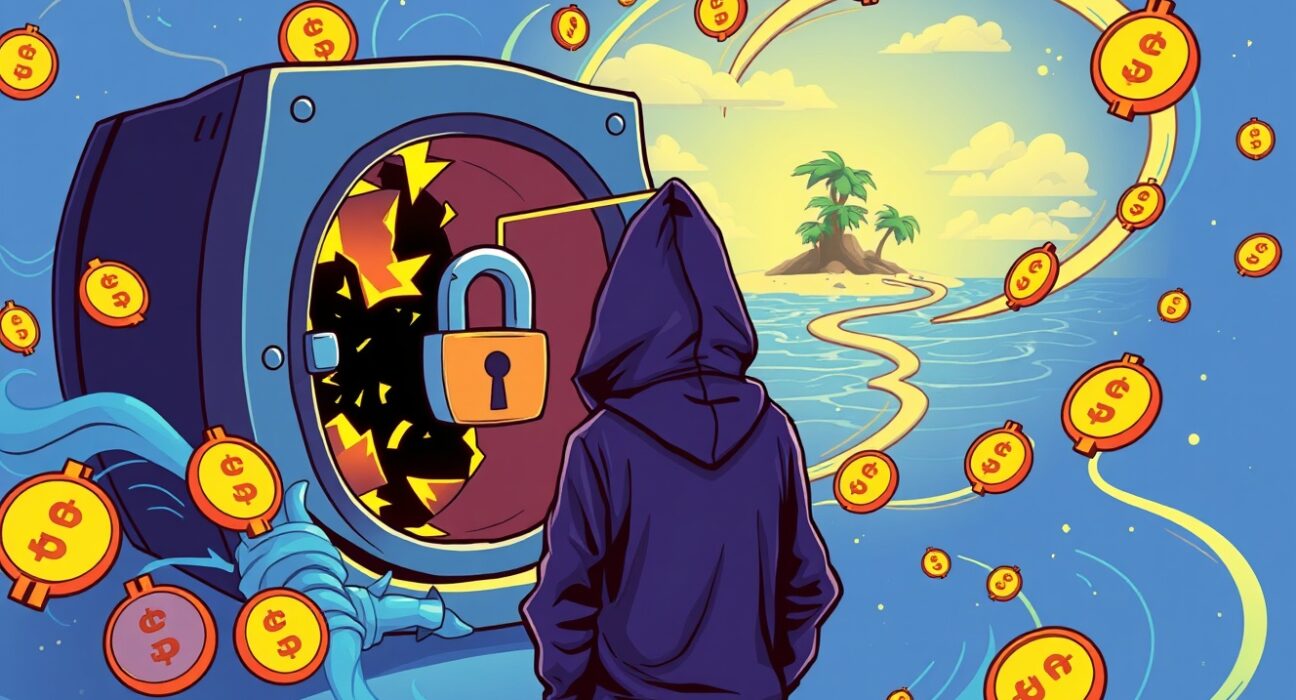
In a stunning revelation, South Korean authorities have traced the path of millions stolen from the Upbit cryptocurrency exchange. The Upbit hackers didn’t just steal digital assets—they executed a sophisticated laundering operation through a remote tax haven. This case exposes critical vulnerabilities in the global crypto ecosystem that every investor should understand.
How Did the Upbit Hackers Launder $32.2 Million?
According to exclusive KBS reports, the Upbit hackers moved stolen funds through Godex, an unlicensed exchange based in Seychelles. This platform allowed them to conceal their identities as beneficial owners, creating a nearly untraceable money trail. The theft of 44.5 billion won (approximately $32.2 million) represents one of the most brazen crypto heists of the year.
The choice of Seychelles is particularly strategic. This jurisdiction offers:
- Minimal regulatory oversight for cryptocurrency exchanges
- Strong privacy protections that shield user identities
- Limited international cooperation with foreign investigations
Why Did Binance Delay Freezing Stolen Assets?
In a separate but related development, Upbit requested that Binance freeze 470 million won worth of Solana (SOL). However, the global exchange delayed action for approximately 15 hours, citing a need for further fact-checking. This hesitation allowed more funds to move through the system.
Ultimately, Binance froze only 80 million won (about $58,000) worth of assets—less than 20% of what Upbit requested. This incident raises serious questions about:
- Cross-exchange cooperation during security incidents
- The speed of response protocols for stolen funds
- Legal jurisdictions and their impact on asset recovery
What Makes Tax Haven Exchanges So Dangerous?
The Godex platform exemplifies why unregulated exchanges in tax havens pose such a significant threat. These platforms often operate with:
- No mandatory know-your-customer (KYC) procedures
- Minimal anti-money laundering (AML) controls
- Limited transparency about ownership and operations
When Upbit hackers utilize such platforms, they create multiple layers of separation between the stolen funds and their ultimate destination. Each transaction through these exchanges makes forensic tracing exponentially more difficult for investigators.
What Can Crypto Exchanges Learn From This Incident?
The Upbit hack reveals several areas where cryptocurrency exchanges must improve their security posture. First, real-time monitoring systems need enhancement to detect unusual withdrawal patterns immediately. Second, exchanges must establish faster communication channels with their counterparts worldwide.
Most importantly, the industry needs standardized protocols for:
- Immediate asset freezing across multiple exchanges
- Verified threat intelligence sharing between platforms
- Cross-jurisdictional cooperation with law enforcement
How Will This Affect Crypto Regulation in South Korea?
This incident will likely accelerate regulatory changes in South Korea’s cryptocurrency landscape. Authorities are already examining how to prevent similar attacks in the future. Potential measures include stricter licensing requirements for exchanges operating with Korean users and enhanced international cooperation agreements.
The actions of the Upbit hackers have demonstrated that domestic regulations alone cannot protect against globally coordinated attacks. As cryptocurrency becomes more mainstream, international regulatory frameworks must evolve to address these cross-border security challenges.
Conclusion: A Wake-Up Call for Crypto Security
The Upbit hack serves as a stark reminder that cryptocurrency security requires constant vigilance and international cooperation. While the technology offers unprecedented financial freedom, it also presents unique vulnerabilities that malicious actors continue to exploit.
The sophisticated laundering operation through a Seychelles-based exchange shows how Upbit hackers have evolved beyond simple theft to complex financial obfuscation. For the industry to mature and gain mainstream trust, exchanges, regulators, and law enforcement must work together more effectively than ever before.
Frequently Asked Questions
How much did the Upbit hackers steal?
The Upbit hackers stole 44.5 billion won, which is approximately $32.2 million in cryptocurrency from the South Korean exchange.
Which exchange did the hackers use to launder funds?
The perpetrators used Godex, an unlicensed cryptocurrency exchange based in Seychelles, to process and launder the stolen assets while concealing their identities.
Why did Binance delay freezing the stolen assets?
Binance delayed freezing approximately $340,000 worth of Solana for about 15 hours, citing a need for further fact-checking before taking action on Upbit’s request.
What makes Seychelles attractive for money laundering?
Seychelles offers minimal regulatory oversight for cryptocurrency exchanges, strong privacy protections that shield user identities, and limited international cooperation with foreign investigations.
How can cryptocurrency exchanges improve security?
Exchanges can enhance real-time monitoring systems, establish faster cross-platform communication channels, and develop standardized protocols for immediate asset freezing during security incidents.
Will this hack affect cryptocurrency regulations?
Yes, this incident will likely accelerate regulatory changes in South Korea and prompt discussions about international cooperation frameworks to address cross-border crypto security challenges.
Found this analysis of the Upbit hackers insightful? Help spread awareness about cryptocurrency security by sharing this article on your social media platforms. Together, we can promote a safer digital asset ecosystem for all investors.
To learn more about the latest cryptocurrency security trends, explore our article on key developments shaping exchange security protocols and institutional adoption safeguards.
Disclaimer: The information provided is not trading advice, Bitcoinworld.co.in holds no liability for any investments made based on the information provided on this page. We strongly recommend independent research and/or consultation with a qualified professional before making any investment decisions.