

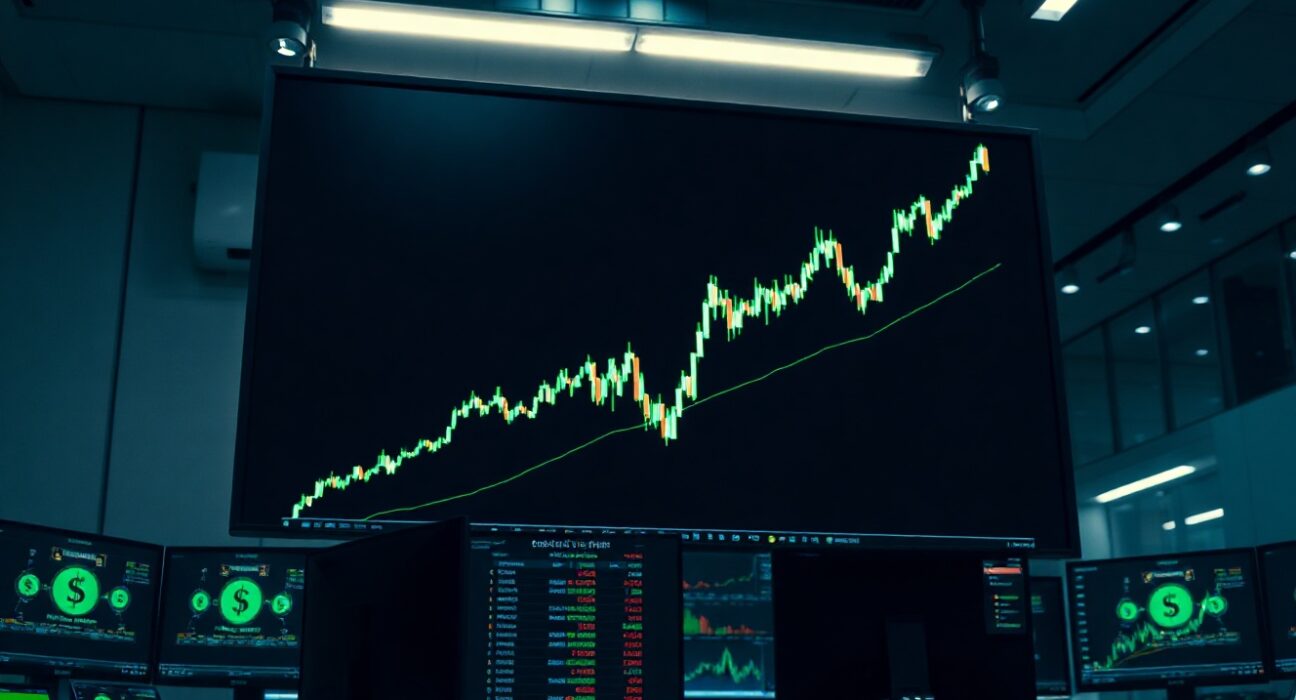
The US Dollar Index (DXY) stormed higher on Wednesday, extending its recent rally as markets digested the growing likelihood that Kevin Warsh, a leading candidate for the next Federal Reserve chair, would steer the central bank away from rate cuts and toward a more aggressive tightening cycle. The greenback climbed over 0.6% against a basket of major currencies, breaking above key resistance levels and triggering a wave of position-squaring across forex markets.
Warsh’s Hawkish Signal Reshapes Rate Expectations
Kevin Warsh, a former Fed governor and current frontrunner for the top job, has publicly signaled skepticism about the pace of disinflation and argued that the central bank should prioritize credibility over accommodation. In recent private discussions with policymakers, Warsh reportedly emphasized that premature easing risks reigniting inflationary pressures—a stance that has upended market expectations for a rate cut in the first half of the year.
Traders quickly repriced the probability of a rate hike in 2025, with fed funds futures now pricing in a 35% chance of a quarter-point increase by September, up from just 12% a week ago. The shift was most pronounced in short-dated Treasury yields, which surged 10 basis points on the day, further supporting the dollar’s rally.
DXY Breaks Key Technical Levels
The Dollar Index broke above the 105.50 resistance level, a threshold that had capped gains for the past three weeks. Analysts noted that the move was accompanied by strong volume, suggesting genuine conviction behind the rally rather than a short-term speculative squeeze. The next technical target sits near 106.20, a level not seen since November 2024.
Currency markets saw the most pronounced moves against the Japanese yen and the euro. USD/JPY jumped to 151.80, its highest in two weeks, while EUR/USD slid below 1.0700, erasing gains from the previous session. Emerging market currencies also felt the pressure, with the Mexican peso and South African rand both weakening by more than 1%.
Why This Matters for Investors and the Broader Economy
A sustained dollar rally has significant implications beyond forex markets. A stronger dollar makes US exports more expensive, potentially weighing on corporate earnings for multinational companies. It also tightens financial conditions globally, as dollar-denominated debt becomes more costly for emerging economies to service. For US consumers, a stronger dollar can help lower import prices, but the accompanying rise in interest rates would increase borrowing costs for mortgages, auto loans, and credit cards.
The shift in Fed policy expectations also complicates the outlook for risk assets. Equities, particularly growth stocks, tend to underperform in a rising-rate environment, and the S&P 500 dipped 0.4% in afternoon trading as the dollar rally accelerated. Bitcoin and other cryptocurrencies also retreated, with BTC slipping below $67,000.
Conclusion
The Dollar Index’s sharp rally reflects a fundamental repricing of Fed policy expectations driven by Kevin Warsh’s hawkish influence. Markets are now bracing for a potential rate hike cycle rather than the previously anticipated cuts. With Warsh’s nomination increasingly seen as a foregone conclusion, the dollar’s strength may have further room to run, but the broader implications for global markets, inflation, and economic growth warrant close attention.
FAQs
Q1: What is the US Dollar Index (DXY) and why did it surge?
The US Dollar Index measures the value of the dollar against a basket of six major currencies. It surged because markets expect Kevin Warsh, a likely next Fed chair, to prioritize rate hikes over cuts to fight inflation.
Q2: How does Kevin Warsh’s stance differ from current Fed policy?
Current Fed leadership has signaled a gradual shift toward rate cuts as inflation moderates. Warsh believes the risk of easing too soon outweighs the risk of keeping rates higher for longer, favoring a tighter policy stance.
Q3: What does a stronger dollar mean for global markets?
A stronger dollar makes US exports more expensive, pressures emerging market debt, and often leads to lower stock prices, especially for growth-oriented companies. It also tends to weaken commodity prices, which are typically priced in dollars.
Disclaimer: The information provided is not trading advice, Bitcoinworld.co.in holds no liability for any investments made based on the information provided on this page. We strongly recommend independent research and/or consultation with a qualified professional before making any investment decisions.
