

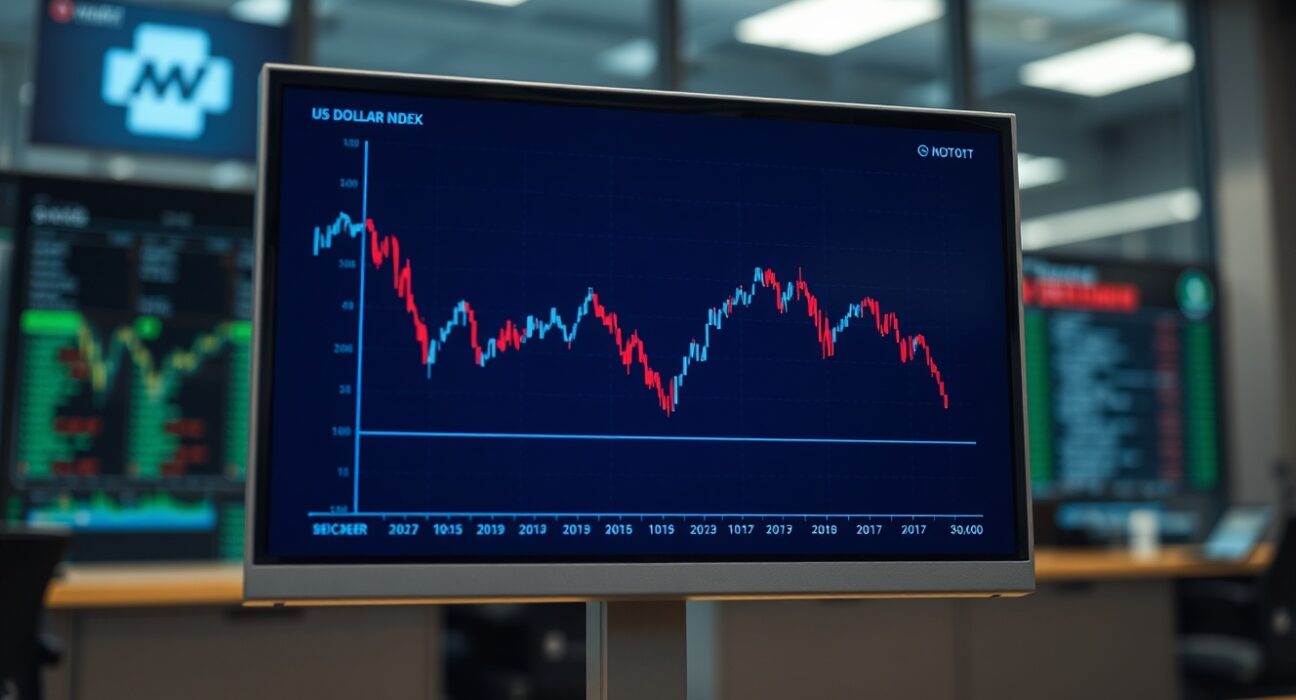
The US Dollar’s recent rally is encountering significant resistance, according to market experts who point to a convergence of macroeconomic factors that could cap further gains. As of this week, the US Dollar Index, which measures the currency against a basket of six major peers, is showing signs of stalling after a period of sustained strength.
What is Causing the Dollar Rally to Lose Momentum?
The primary headwind is a recalibration of interest rate expectations. Market participants are now pricing in a less aggressive path for Federal Reserve rate cuts than was anticipated earlier in the year. This shift has been driven by resilient US economic data, including stronger-than-expected employment figures and persistent, albeit moderating, inflation. Consequently, the yield advantage that made the dollar attractive is being questioned as other central banks, particularly the European Central Bank and the Bank of England, signal a slower pace of policy easing than previously thought.
This changing dynamic reduces the interest rate differential that has been a key pillar of the dollar’s strength. When the gap between US and foreign yields narrows, the incentive for global investors to hold dollar-denominated assets diminishes, thereby reducing demand for the currency.
What Do the Charts and Technical Indicators Say?
Technical analysis supports the view that the rally is facing serious headwinds. The dollar index is currently testing a major resistance zone, a level that has historically triggered pullbacks. Momentum indicators, such as the Relative Strength Index (RSI), are showing signs of divergence, where price makes a higher high but momentum makes a lower high. This is often interpreted by analysts as a warning sign that buying pressure is waning.
Furthermore, the dollar is facing headwinds from a broader improvement in global risk sentiment. As equity markets around the world hit record highs, investors are more willing to move capital into higher-yielding, riskier assets outside the US, which typically weighs on the safe-haven appeal of the dollar.
Why This Matters for Global Markets
The trajectory of the US Dollar has profound implications for the global economy. A weaker dollar makes US exports more competitive, potentially boosting American manufacturing. For emerging markets, a softer dollar reduces the burden of servicing dollar-denominated debt and can ease inflationary pressures from imported goods. Conversely, a stronger dollar had been squeezing global trade and putting pressure on other central banks to defend their currencies.
For investors, a stalling dollar rally could signal a shift in market leadership, potentially benefiting international stocks and commodities, which are often priced in dollars. A weaker dollar typically supports gold and other precious metals, which have already seen renewed interest from investors.
Conclusion
While the US Dollar has shown remarkable resilience, the consensus among experts is that the path forward is fraught with obstacles. The combination of shifting rate expectations, technical resistance, and an improving global risk appetite suggests that the currency’s upside is limited in the near term. Market participants will be closely watching upcoming US inflation data and central bank communications for the next directional catalyst.
FAQs
Q1: What is the US Dollar Index?
The US Dollar Index (DXY) is a measure of the value of the US dollar relative to a basket of foreign currencies, including the Euro, Japanese Yen, British Pound, Canadian Dollar, Swedish Krona, and Swiss Franc. It is a common benchmark for the dollar’s overall strength in the global market.
Q2: How does the Federal Reserve affect the dollar’s value?
The Federal Reserve’s monetary policy, particularly its decisions on interest rates, is a primary driver of the dollar’s value. Higher interest rates in the US tend to attract foreign investment seeking better yields, which increases demand for the dollar and strengthens its value. Conversely, expectations of rate cuts can weaken the dollar.
Q3: What does a weaker dollar mean for the average consumer?
For US consumers, a weaker dollar can lead to higher prices for imported goods, potentially fueling inflation. However, it also makes US products more competitive abroad, which can support domestic manufacturing and job growth. For international travelers, a weaker dollar means their money won’t go as far overseas.
Disclaimer: The information provided is not trading advice, Bitcoinworld.co.in holds no liability for any investments made based on the information provided on this page. We strongly recommend independent research and/or consultation with a qualified professional before making any investment decisions.
