

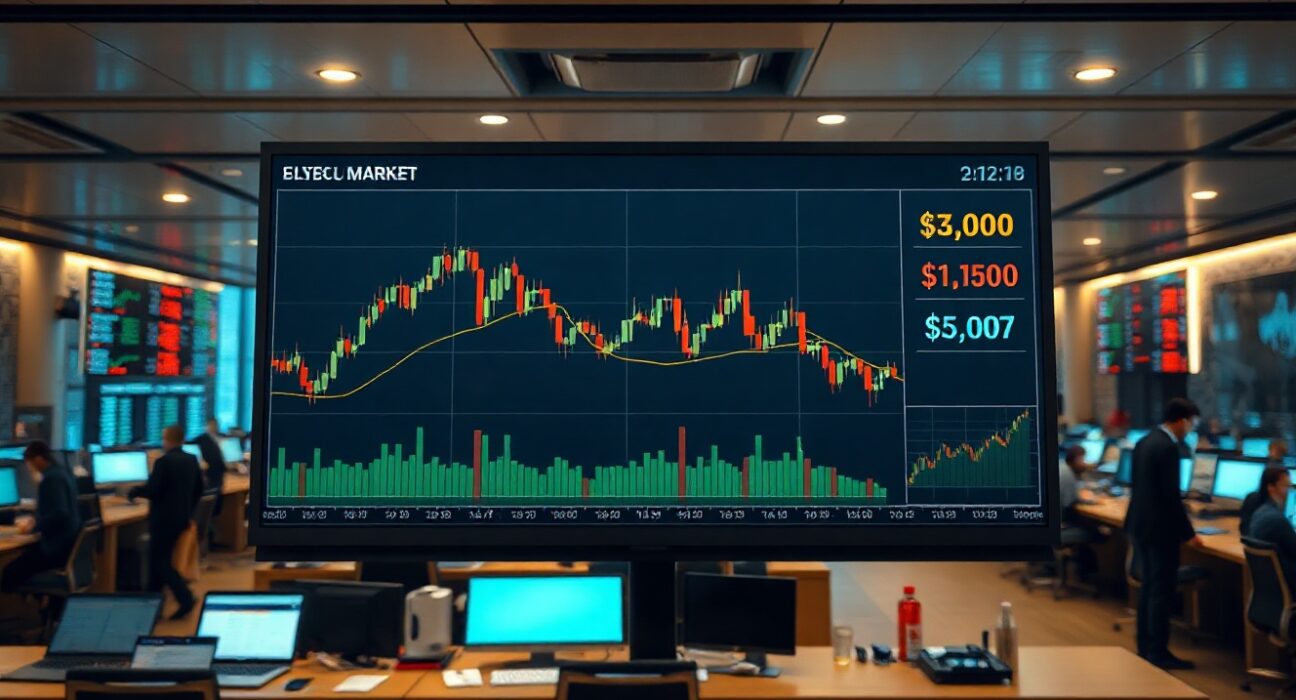
The US dollar traded lower against most major currencies on [Date], as improved risk sentiment encouraged investors to move away from the safe-haven greenback. The shift follows a period of uncertainty driven by [mention specific events if known, otherwise keep general] and reflects growing confidence in global growth prospects.
Key Drivers Behind the Dollar’s Decline
The dollar’s weakness is largely attributed to a rebound in risk appetite, with investors seeking higher-yielding assets. Positive economic data from [mention regions if known] and easing concerns over [mention specific geopolitical or economic issues] have contributed to a more optimistic outlook. As a result, currencies such as the euro, British pound, and commodity-linked dollars have gained ground.
Currency Market Moves
EUR/USD rose to [mention level if known] as the euro benefited from stronger-than-expected economic indicators. GBP/USD also climbed, supported by [mention specific factors]. Meanwhile, the Japanese yen strengthened against the dollar, reflecting a shift in carry trade dynamics. Emerging market currencies saw mixed performance, with some gaining on improved risk sentiment while others remained under pressure due to domestic factors.
Implications for Traders and Investors
For forex traders, the current environment offers opportunities but also underscores the importance of monitoring central bank policies and economic releases. The Federal Reserve’s stance on interest rates remains a key driver for the dollar, and any hawkish signals could reverse the current trend. Investors should also watch upcoming data, including [mention specific reports if known], for further direction.
Conclusion
In summary, the US dollar is under pressure as risk appetite improves, but the sustainability of this move depends on evolving economic data and central bank actions. Traders should remain vigilant and adapt to changing market conditions.
FAQs
Q1: Why is the US dollar weakening?
The dollar is weakening due to increased risk appetite among investors, who are moving funds into higher-yielding assets as global economic concerns ease.
Q2: Which currencies are benefiting from the dollar’s decline?
Major currencies like the euro, British pound, and Japanese yen have gained, along with commodity-linked currencies such as the Australian and Canadian dollars.
Q3: What should traders watch next?
Traders should monitor Federal Reserve policy signals, upcoming economic data, and geopolitical developments for clues on the dollar’s near-term direction.
Disclaimer: The information provided is not trading advice, Bitcoinworld.co.in holds no liability for any investments made based on the information provided on this page. We strongly recommend independent research and/or consultation with a qualified professional before making any investment decisions.
