

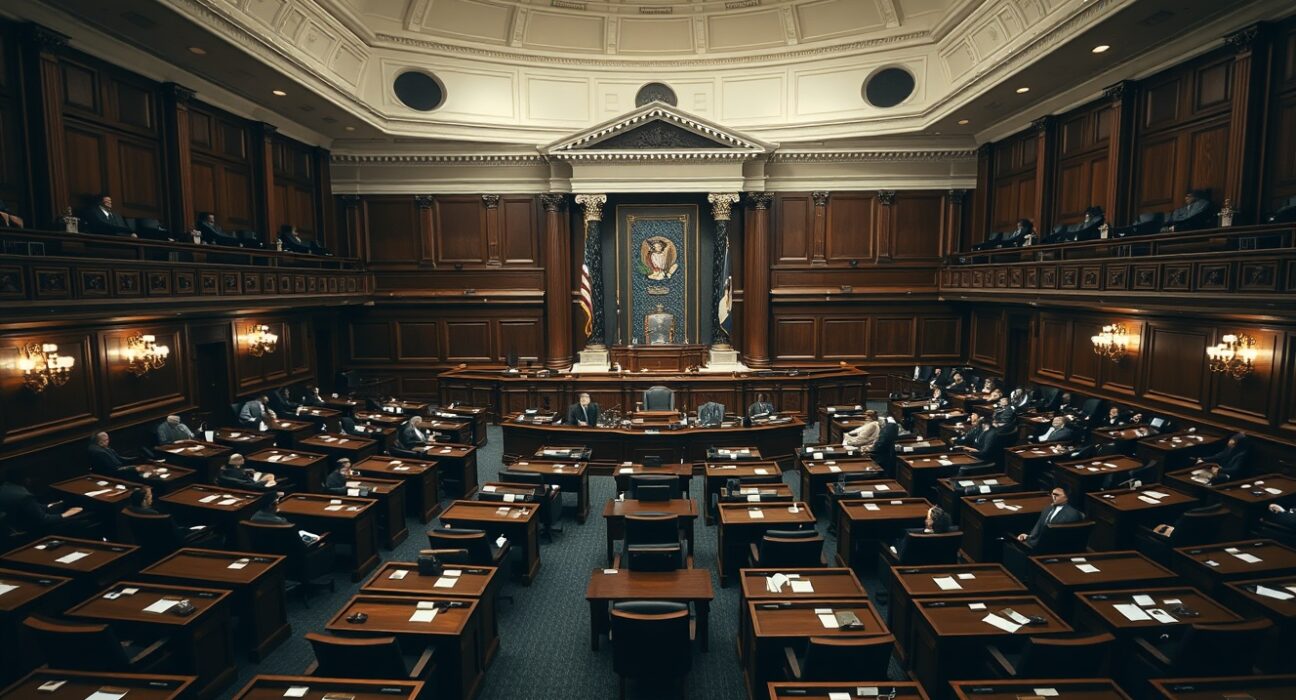
The U.S. House of Representatives has passed a bill that would prohibit members of Congress from trading stocks and other assets using nonpublic information obtained through their official duties. The legislation, which now moves to the Senate, represents a significant step toward closing a longstanding ethics loophole that has drawn criticism from watchdog groups and the public.
What the Bill Proposes
The bill, often referred to as the STOCK Act 2.0, expands upon the original Stop Trading on Congressional Knowledge Act of 2012. It specifically targets the use of confidential information gained through committee hearings, briefings, or private meetings with lobbyists and federal officials. Under the new measure, lawmakers would face stricter disclosure requirements and enhanced penalties for violations.
Timeline and Legislative Path
The House passed the bill with bipartisan support, though the exact vote tally has not yet been finalized. The legislation now heads to the Senate, where a similar version has been introduced. If passed, the bill would then go to the president’s desk for signature. The timeline for Senate action remains uncertain, but proponents are pushing for a vote before the end of the current session.
Why This Matters for Crypto and Blockchain
While the bill applies broadly to all financial markets, its implications for the cryptocurrency sector are notable. As digital asset legislation continues to evolve in Congress, lawmakers with holdings in crypto-related investments could face new restrictions on trading based on nonpublic information from closed-door meetings with regulators or industry executives. This could increase transparency in how crypto policy is shaped and enforced.
Reactions and Criticism
Government ethics watchdogs have largely praised the bill as a necessary reform. However, some critics argue that the legislation does not go far enough, noting that it still allows lawmakers to hold individual stocks and does not mandate a blind trust system. Others have raised concerns about the enforcement mechanisms, questioning whether the existing congressional ethics office has the resources to effectively police insider trading.
Conclusion
The House passage of the insider trading ban marks a notable moment in congressional ethics reform. While the bill’s ultimate fate in the Senate remains uncertain, its approval signals growing public pressure on lawmakers to align their financial activities with those of the constituents they serve. For the crypto industry, the legislation could introduce new compliance considerations as regulatory frameworks continue to develop.
FAQs
Q1: Does the bill apply to all members of Congress?
A1: Yes, the bill applies to both House members and Senators, as well as certain senior congressional staff who have access to nonpublic information.
Q2: How does this bill differ from the original STOCK Act?
A2: The original STOCK Act focused on disclosure and public reporting of trades. The new bill adds stronger enforcement mechanisms, stricter penalties, and explicitly bans trading based on nonpublic information obtained through official duties.
Q3: Could this bill affect cryptocurrency trading by lawmakers?
A3: Yes. If a lawmaker gains nonpublic information about pending crypto legislation or regulatory actions, they would be prohibited from trading related assets. This could increase transparency in how crypto policy is developed and enforced.
Disclaimer: The information provided is not trading advice, Bitcoinworld.co.in holds no liability for any investments made based on the information provided on this page. We strongly recommend independent research and/or consultation with a qualified professional before making any investment decisions.
