
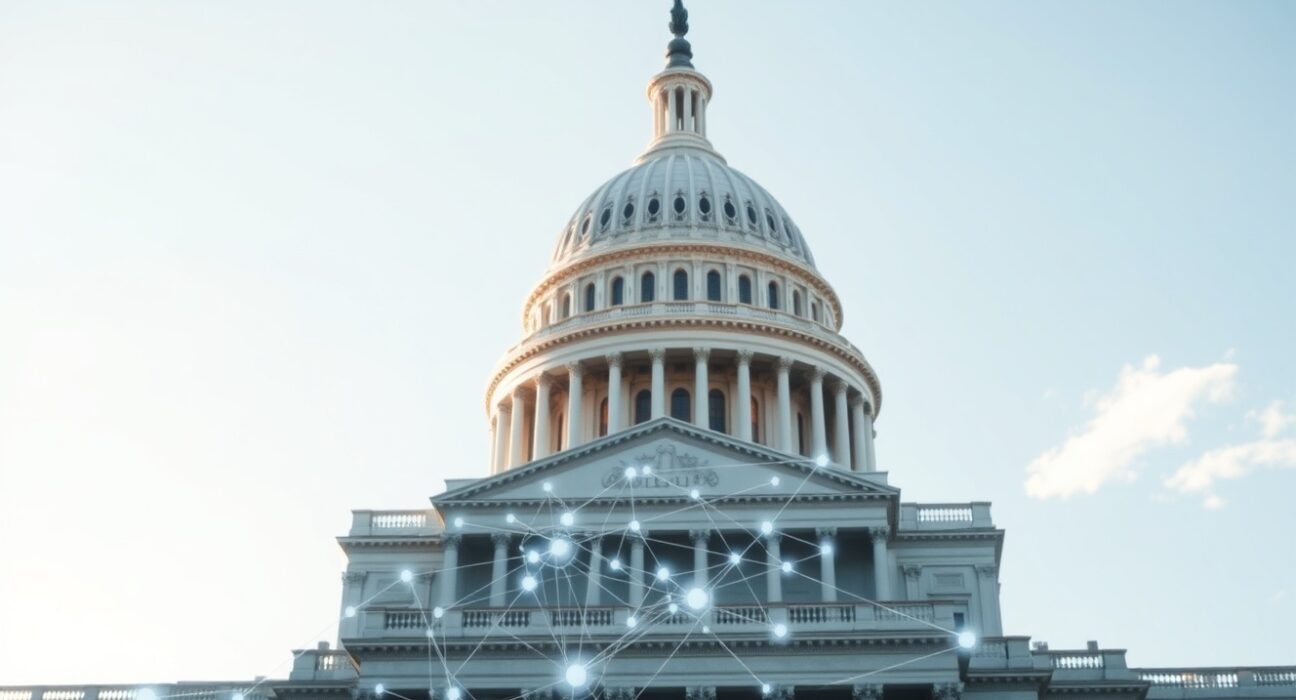
WASHINGTON, D.C. – March 18, 2025 – The U.S. House Financial Services Committee will convene a significant hearing next week to examine the burgeoning field of asset tokenization, a move signaling a crucial step in the legislative understanding of blockchain-based finance. According to journalist Eleanor Terrett, host of ‘Crypto in America,’ the session is scheduled for 3:00 p.m. UTC on March 25. Furthermore, Summer Mersinger, CEO of the prominent Blockchain Association, is confirmed to testify as a witness, providing a vital industry perspective to lawmakers.
Tokenization Hearing Represents a Legislative Milestone
This upcoming hearing marks a focused effort by Congress to grapple with the practical applications of blockchain technology beyond cryptocurrencies. Tokenization, the process of converting rights to a real-world asset into a digital token on a blockchain, has gained substantial traction across finance, real estate, and art. Consequently, regulators and legislators are now seeking to understand its implications for market structure, investor protection, and economic growth. The committee’s decision to dedicate a full hearing to the topic underscores its perceived importance in the future of U.S. capital markets.
Historically, congressional hearings have served as foundational moments for emerging technologies. For instance, early internet hearings in the 1990s helped shape a light-touch regulatory approach that fostered innovation. Similarly, this tokenization proceeding could set the tone for future legislative frameworks. The hearing will likely explore several core themes, including:
- Regulatory Clarity: Defining which existing agencies oversee tokenized assets.
- Investor Safeguards: Ensuring transparency and preventing fraud in digital markets.
- Market Efficiency: Assessing potential benefits like increased liquidity and reduced settlement times.
- Systemic Risk: Evaluating the impact of tokenization on broader financial stability.
The Role of Key Witness Summer Mersinger
The inclusion of Summer Mersinger as a witness provides the committee with direct insight from a leading advocacy organization. The Blockchain Association represents over 100 cryptocurrency and blockchain companies in Washington. Mersinger’s testimony will therefore carry the weight of a consolidated industry viewpoint. Her role will be to articulate the technological promise of tokenization while addressing common regulatory concerns held by policymakers.
Previously, Mersinger has advocated for clear, technology-neutral rules that allow innovation to flourish within appropriate guardrails. Her testimony is expected to highlight real-world use cases, such as tokenized U.S. Treasury bonds or real estate funds, which are already operating in pilot phases. By presenting concrete examples, she can help demystify the technology for legislators and focus the discussion on tangible policy questions rather than abstract concepts.
Context Within the Broader Regulatory Landscape
This hearing does not occur in a vacuum. It follows increased activity from both the Securities and Exchange Commission (SEC) and the Commodity Futures Trading Commission (CFTC) regarding digital assets. Moreover, several tokenization-specific bills have been introduced in Congress over the past two years, though none have advanced to a full vote. The hearing could serve as a catalyst to build consensus around one of these legislative proposals or inspire new draft legislation.
Internationally, jurisdictions like the European Union with its MiCA regulation and the United Kingdom with its Digital Securities Sandbox are actively creating frameworks for tokenized assets. The U.S. hearing reflects a need to ensure American competitiveness in this new financial paradigm. A delayed or overly restrictive U.S. approach could risk ceding innovation and capital formation to other global financial centers.
Potential Impacts and Industry Implications
The immediate outcome of the hearing will be a public record of questions, answers, and expert opinions that will inform future committee actions. A constructive dialogue could accelerate bipartisan efforts to draft enabling legislation. Conversely, a hearing dominated by skepticism could signal a more prolonged and cautious regulatory journey. Key areas of impact include:
- Traditional Finance Adoption: Major banks and asset managers are closely monitoring regulatory signals before scaling tokenization projects.
- Startup Innovation: Clear regulatory pathways reduce uncertainty for entrepreneurs building in the Web3 space.
- Investor Access: Well-regulated tokenization can potentially democratize access to investment assets like private equity or commercial real estate.
Furthermore, the hearing’s timing is notable. It occurs as several major financial institutions are launching their own blockchain-based platforms for tokenizing assets. Positive signals from Congress could provide these institutions with the confidence to proceed with larger, public-facing offerings.
Conclusion
The upcoming U.S. House tokenization hearing represents a critical juncture for the integration of blockchain technology into the mainstream financial system. With expert testimony from industry leader Summer Mersinger, the House Financial Services Committee has an opportunity to move beyond theoretical debates and engage with the practical realities and economic potential of digital assets. The insights gathered on March 25 will undoubtedly shape the legislative and regulatory trajectory for tokenization in the United States for years to come, making this a pivotal event for markets, innovators, and policymakers alike.
FAQs
Q1: What is the purpose of the House tokenization hearing?
The hearing aims to educate members of the House Financial Services Committee on asset tokenization, examine its potential benefits and risks, and gather expert testimony to inform potential future legislation on digital assets and blockchain technology.
Q2: Who is Summer Mersinger and why is her testimony important?
Summer Mersinger is the CEO of the Blockchain Association, a major industry advocacy group. Her testimony provides Congress with a consolidated perspective from over 100 cryptocurrency and blockchain companies, offering real-world insights into the technology’s applications and regulatory needs.
Q3: How does tokenization differ from cryptocurrencies like Bitcoin?
While both use blockchain technology, cryptocurrencies like Bitcoin are primarily digital currencies or stores of value. Tokenization refers to creating digital tokens that represent ownership of a real-world asset, such as a bond, a piece of real estate, or a work of art.
Q4: What are the potential benefits of asset tokenization?
Potential benefits include increased liquidity for traditionally illiquid assets (like real estate), fractional ownership allowing smaller investments, faster and cheaper settlement times, and enhanced transparency through immutable record-keeping.
Q5: Could this hearing lead to new laws about tokenization?
While a single hearing does not create law, it is a foundational step in the legislative process. The information gathered can build consensus, help draft new bills, or advance existing legislative proposals related to digital asset regulation.
Disclaimer: The information provided is not trading advice, Bitcoinworld.co.in holds no liability for any investments made based on the information provided on this page. We strongly recommend independent research and/or consultation with a qualified professional before making any investment decisions.