

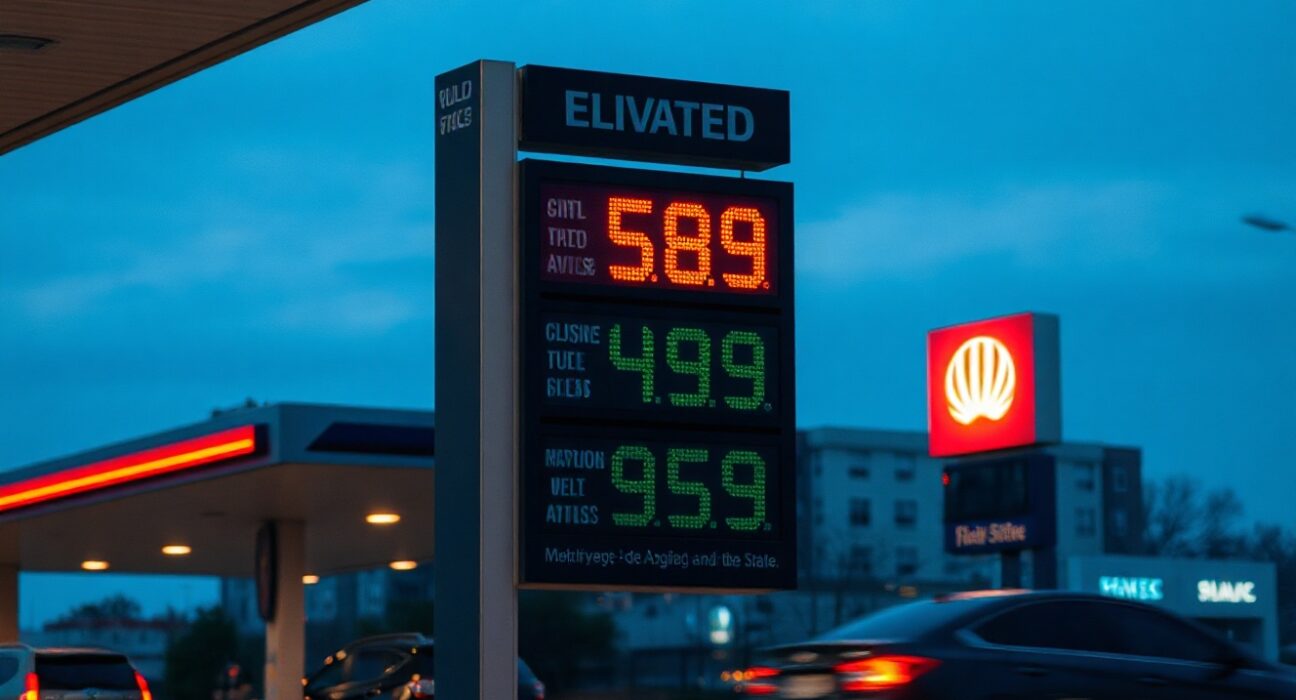
Consumer inflation expectations in the United States have edged higher, influenced by a recent uptick in oil prices, according to a new analysis from DBS. The development adds a fresh layer of complexity to the Federal Reserve’s ongoing efforts to bring price growth back to its 2% target.
Oil’s Ripple Effect on Consumer Sentiment
DBS economists note that rising energy costs are directly feeding into near-term inflation expectations among households. While headline inflation has moderated from its 2022 peaks, consumers remain sensitive to price changes at the pump, which often serve as a daily reminder of broader cost pressures. The bank’s analysis suggests that this shift, while modest, could influence spending behavior and wage demands in the coming months.
The connection between oil prices and inflation expectations is well-documented. When gasoline prices rise, consumers tend to revise their outlook for overall inflation upward, even if other categories like rent or services show more stable trends. This psychological factor can become self-reinforcing if businesses anticipate higher costs and adjust pricing accordingly.
Fed Policy in a Holding Pattern
The Federal Reserve has maintained a cautious stance, holding interest rates steady at recent meetings as it waits for more consistent evidence that inflation is sustainably declining. The uptick in expectations, partly driven by energy costs, may reinforce the case for keeping policy restrictive for longer. Policymakers have repeatedly emphasized that they need to see a broader and more durable slowdown in price pressures before considering rate cuts.
Market participants are now closely watching upcoming data releases, including the Personal Consumption Expenditures (PCE) price index, the Fed’s preferred inflation gauge. Any upside surprise could further delay the timing of potential rate reductions.
What This Means for Investors and Households
For households, higher inflation expectations can translate into increased cost-of-living adjustments in wages and higher borrowing costs if the Fed holds rates steady. For investors, the shift underscores the risk that inflation may prove stickier than anticipated, potentially impacting bond yields, equity valuations, and sector performance. Energy stocks may benefit from higher oil prices, while consumer discretionary sectors could face headwinds.
Conclusion
The DBS report highlights a critical juncture for the US economy: while inflation has broadly cooled, the path back to 2% is not guaranteed. Rising oil prices serve as a reminder that external supply-side factors can still disrupt the disinflation process. The Fed’s next moves will depend heavily on whether this uptick in expectations proves temporary or becomes more entrenched.
FAQs
Q1: Why do oil prices affect inflation expectations?
Oil prices directly impact gasoline and transportation costs, which are highly visible to consumers. When these costs rise, households often expect broader price increases, influencing their overall inflation outlook.
Q2: How might the Federal Reserve respond to higher inflation expectations?
The Fed may maintain higher interest rates for longer to ensure inflation returns to its 2% target. If expectations become entrenched, it could delay any plans for rate cuts.
Q3: Is this a temporary or long-term concern?
It depends on oil price trends and broader economic data. If energy costs stabilize, expectations may recede. However, persistent supply shocks could keep upward pressure on both prices and sentiment.
Disclaimer: The information provided is not trading advice, Bitcoinworld.co.in holds no liability for any investments made based on the information provided on this page. We strongly recommend independent research and/or consultation with a qualified professional before making any investment decisions.
