

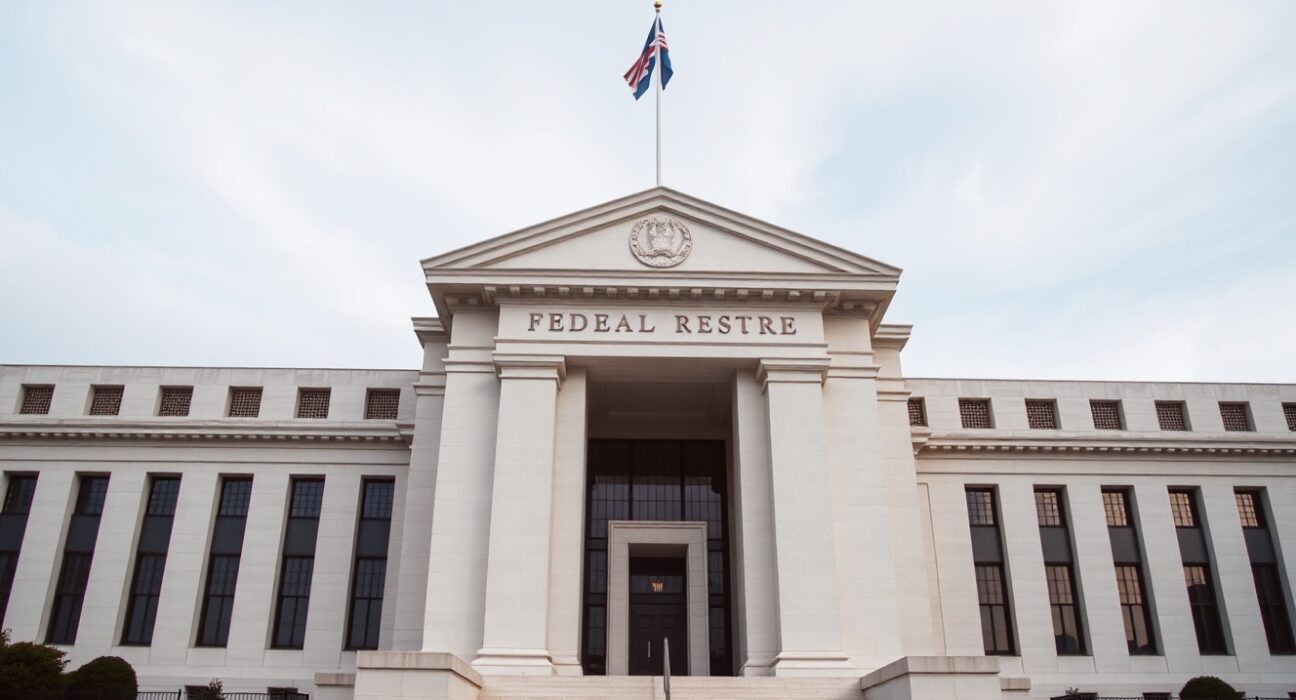
United Overseas Bank (UOB) Group has issued a cautionary note, suggesting that persistent upside risks to US inflation could delay the Federal Reserve’s timeline for easing monetary policy. The analysis comes amid ongoing market speculation about when the central bank might begin cutting interest rates.
Inflation Pressures Remain Elevated
Despite recent data showing some moderation in price increases, UOB economists point to underlying factors that could keep inflation above the Fed’s 2% target for longer than anticipated. Sticky components such as housing costs and services inflation, combined with a resilient labor market, are cited as key contributors to this outlook. The bank’s assessment aligns with recent comments from several Fed officials who have emphasized the need for more evidence that inflation is sustainably moving toward the target before any rate cuts are considered.
Market Implications and Timeline
The prospect of delayed Fed easing has significant implications for global financial markets. Investors have been pricing in multiple rate cuts in 2025, but UOB’s analysis suggests that the first reduction may not occur until later in the year, or possibly even 2026. This could lead to higher borrowing costs for consumers and businesses for an extended period, potentially slowing economic growth. The US dollar has already shown strength in response to such expectations, while bond yields remain elevated.
What This Means for Investors
For market participants, the key takeaway is to temper expectations for an imminent policy pivot. UOB advises that the Fed is likely to maintain a data-dependent stance, prioritizing inflation control over supporting economic growth. This cautious approach may lead to increased volatility in rate-sensitive sectors, including housing, technology, and financials. Investors should monitor upcoming inflation reports and labor market data for clearer signals on the Fed’s next move.
Conclusion
UOB’s warning underscores the complexity of the current economic environment, where inflation risks remain a dominant factor shaping central bank policy. While the market continues to anticipate rate cuts, the path forward is uncertain and hinges on incoming data. For now, the Fed appears committed to holding rates steady until inflation shows a more convincing and sustained decline.
FAQs
Q1: Why might the Federal Reserve delay rate cuts?
The Federal Reserve may delay rate cuts if inflation remains persistently above its 2% target, driven by factors like rising housing costs, services inflation, and a strong labor market. The central bank wants to ensure inflation is sustainably under control before easing policy.
Q2: How could delayed Fed easing affect consumers?
Delayed rate cuts mean borrowing costs for mortgages, credit cards, and business loans will remain higher for longer. This can reduce consumer spending power and slow economic growth, but it also helps curb inflation over time.
Q3: What data will the Fed watch most closely?
The Fed will closely monitor core inflation measures (like the Personal Consumption Expenditures index), wage growth, employment figures, and consumer spending data. Any signs of cooling inflation or a weakening labor market could prompt earlier rate cuts.
Disclaimer: The information provided is not trading advice, Bitcoinworld.co.in holds no liability for any investments made based on the information provided on this page. We strongly recommend independent research and/or consultation with a qualified professional before making any investment decisions.
