

According to officials familiar with the negotiations, a draft agreement between the United States and Iran includes provisions for the U.S. to ease its blockade on Iranian ports and grant specific, phased sanctions waivers for the country’s crude oil exports. The proposed deal marks a potential shift in the long-standing economic pressure campaign, linking sanctions relief directly to Iran’s compliance with the terms.
Key Provisions of the Draft Agreement
The draft stipulates that the easing of oil sanctions would be implemented in phases, with each stage contingent on verifiable steps taken by Tehran. One of the most immediate requirements is the normalization of navigation in the Strait of Hormuz within 30 days. This strategic waterway, through which roughly a fifth of the world’s oil passes, has been a focal point of regional tensions.
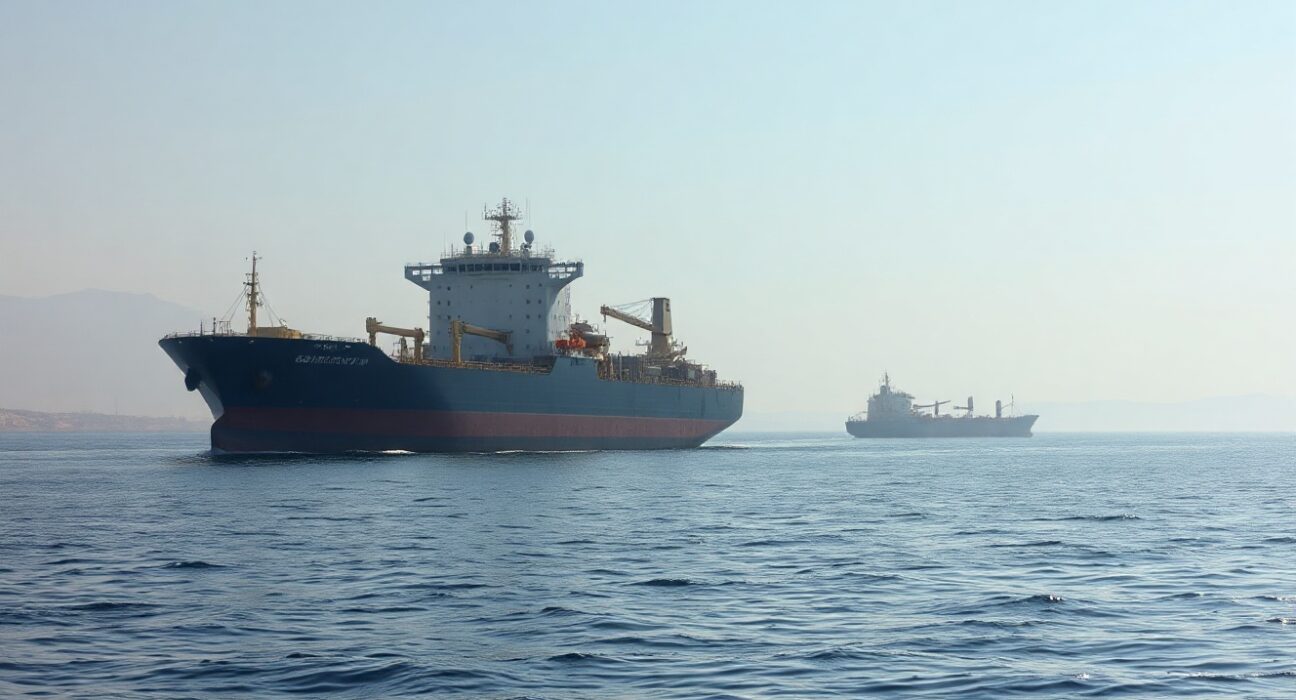
Officials have indicated that the port blockade relief would allow for the resumption of commercial shipping and cargo operations at several Iranian ports currently restricted by U.S. naval and economic measures. The phased approach to oil sanctions is designed to provide the U.S. with leverage, ensuring that Iran does not receive full economic relief without sustained compliance.
Context and Background
The negotiations come after years of heightened tensions following the U.S. withdrawal from the 2015 Joint Comprehensive Plan of Action (JCPOA) in 2018. Since then, the U.S. has reimposed sweeping sanctions targeting Iran’s oil exports, banking sector, and shipping capabilities, significantly reducing the country’s crude oil sales and straining its economy.
Previous rounds of indirect talks in Oman and other venues have made incremental progress, but this draft represents one of the most detailed frameworks to emerge. The inclusion of specific timelines and compliance benchmarks suggests both sides are seeking a structured path forward, though significant hurdles remain.
Why This Matters for Global Markets
Iran holds some of the world’s largest oil and gas reserves. A phased return of Iranian crude to global markets could influence oil prices, which have been sensitive to supply disruptions and geopolitical risks. Traders and analysts are closely watching the negotiations, as even a partial easing of sanctions could add hundreds of thousands of barrels per day to global supply.
For consumers and businesses, lower oil prices could translate into reduced fuel costs and easing inflationary pressures in energy-dependent economies. However, the phased nature of the deal means any impact on markets will likely be gradual rather than immediate.
Challenges and Uncertainties
Despite the progress reflected in the draft, the deal is far from finalized. Hardline factions in both Washington and Tehran have expressed skepticism about the terms. U.S. lawmakers have raised concerns about Iran’s regional activities and ballistic missile program, which are not directly addressed in the draft. On the Iranian side, there is resistance to the phased compliance model, with some officials arguing for immediate and comprehensive sanctions relief.
The 30-day timeline for Strait of Hormuz normalization is particularly ambitious, given the logistical and security complexities involved. Verification mechanisms and dispute resolution procedures are still being negotiated.
Conclusion
The draft U.S.-Iran agreement represents a significant diplomatic effort to de-escalate tensions and address one of the most contentious issues in the Middle East. While the phased easing of oil sanctions and port blockade relief offer a potential pathway forward, the deal’s success hinges on mutual trust, domestic political support, and rigorous compliance monitoring. For now, the situation remains fluid, and further developments are expected in the coming weeks.
FAQs
Q1: What is the Strait of Hormuz and why is it important?
The Strait of Hormuz is a narrow waterway between the Persian Gulf and the Gulf of Oman, through which about 20% of global oil shipments pass. It is a critical chokepoint for global energy supplies, and any disruption there can affect oil prices worldwide.
Q2: How would the phased easing of oil sanctions work?
Under the draft deal, the U.S. would grant specific sanctions waivers for Iran’s crude oil exports in stages. Each phase would be tied to Iran’s compliance with agreed terms, such as verification steps or commitments related to regional stability. This gives the U.S. leverage to pause or reverse relief if Iran fails to meet its obligations.
Q3: What does the port blockade relief mean for Iran’s economy?
Easing the blockade would allow Iranian ports to resume normal commercial shipping, including the import of goods and export of non-oil products. This could help reduce inflation, improve supply chains, and provide some economic relief to Iranian businesses and consumers, even before oil sanctions are fully lifted.
Disclaimer: The information provided is not trading advice, Bitcoinworld.co.in holds no liability for any investments made based on the information provided on this page. We strongly recommend independent research and/or consultation with a qualified professional before making any investment decisions.
