

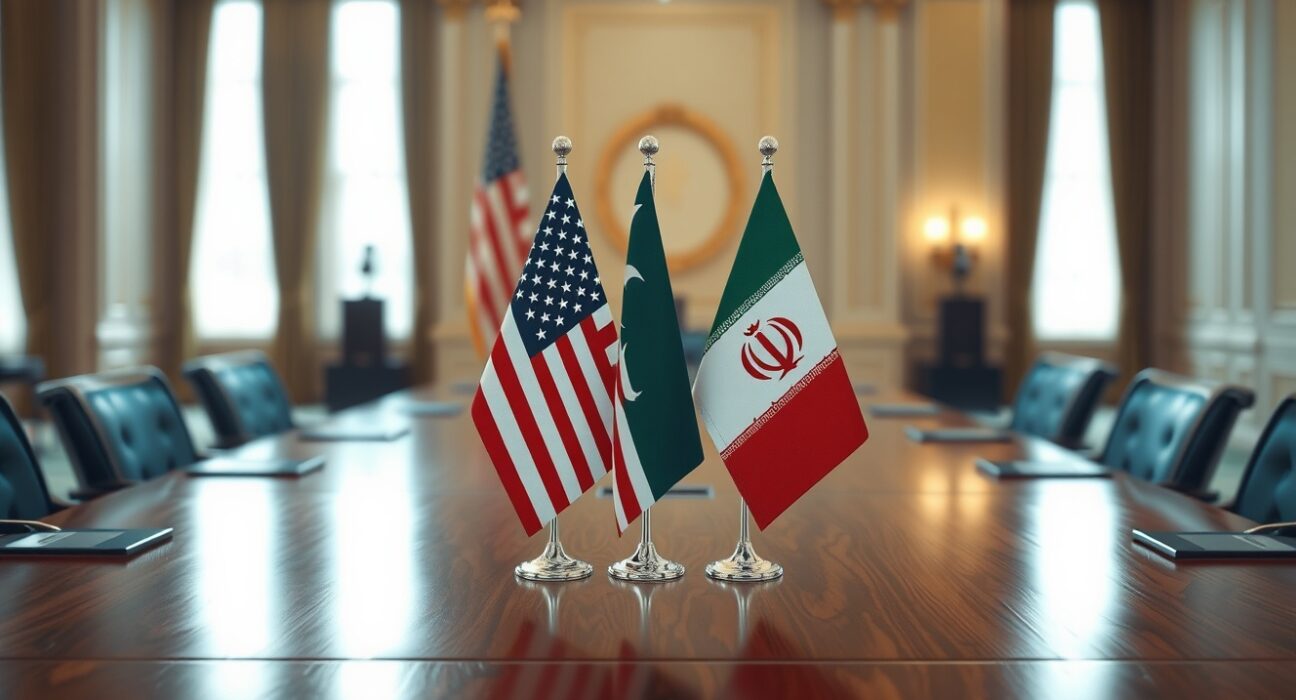
WASHINGTON/ISLAMABAD, January 2025 – U.S. Vice President JD Vance may visit Pakistan for critical talks with Iranian officials this weekend, according to multiple reports from CNN and Walter Bloomberg. This potential diplomatic mission represents a significant development in U.S.-Iran relations and Pakistan’s evolving role as a regional mediator. The United States government is reportedly working to arrange these high-level discussions in Islamabad, marking what could be a pivotal moment in Middle Eastern diplomacy.
US VP Pakistan Iran Talks: A Strategic Diplomatic Initiative
The proposed visit by Vice President Vance follows months of behind-the-scenes diplomatic efforts. Consequently, this development signals a potential shift in U.S. foreign policy approach toward Iran. The Biden administration previously maintained a cautious stance toward direct engagement with Tehran. However, recent regional developments have created new diplomatic opportunities. Pakistan’s geographical position and historical relationships with both nations make it an ideal location for such talks. Furthermore, Islamabad has demonstrated willingness to facilitate dialogue between conflicting parties in the past.
Diplomatic sources indicate several key factors driving this initiative:
- Regional stability concerns following recent tensions in the Gulf region
- Nuclear negotiations that have reached a critical juncture
- Economic considerations related to energy markets and sanctions
- Security coordination against common threats in the region
Historical Context of US-Iran-Pakistan Relations
The relationship between these three nations has evolved significantly over decades. Pakistan maintained diplomatic ties with both countries throughout various conflicts. Meanwhile, the United States and Iran have experienced strained relations since the 1979 Islamic Revolution. Recent years have seen limited diplomatic contact, primarily through intermediaries or multilateral forums. Pakistan previously facilitated talks between the United States and the Taliban, demonstrating its capability as a neutral venue. This experience makes Islamabad particularly suited for hosting sensitive negotiations.
Expert Analysis on Diplomatic Implications
Regional experts highlight several important considerations. Dr. Amina Khan, Senior Fellow at the Institute of Strategic Studies Islamabad, notes Pakistan’s unique position. “Pakistan maintains working relationships with both Washington and Tehran,” she explains. “This balanced approach allows Islamabad to serve as an honest broker.” Additionally, former U.S. diplomat James Miller emphasizes timing. “Current regional dynamics create a window for dialogue,” Miller states. “All parties recognize the costs of continued confrontation.”
The following table illustrates recent diplomatic milestones:
| Date | Event | Significance |
|---|---|---|
| 2023 | Pakistan-Iran security agreement | Enhanced border cooperation |
| 2024 | US-Pakistan strategic dialogue | Strengthened bilateral relations |
| 2024 | Iran nuclear talks resume | Progress on technical issues |
| 2025 | Proposed Vance visit | Potential high-level breakthrough |
Potential Agenda and Key Discussion Points
Sources familiar with the planning indicate several probable agenda items. Nuclear program verification mechanisms will likely feature prominently. Regional security arrangements represent another critical topic. Additionally, economic cooperation and sanctions relief may receive attention. Counterterrorism coordination remains important for all parties. Finally, humanitarian issues and prisoner exchanges could facilitate confidence-building measures.
The proposed talks follow specific diplomatic protocols. First, preliminary discussions established basic parameters. Next, technical teams prepared detailed position papers. Then, security arrangements received careful consideration. Finally, communication channels ensured all parties remained informed. This structured approach increases the likelihood of productive dialogue.
Regional Reactions and International Response
Neighboring countries monitor these developments closely. Saudi Arabia and the United Arab Emirates have expressed cautious support for dialogue. Israel maintains concerns about potential agreements. European nations generally welcome diplomatic engagement. China and Russia view the talks as positive for regional stability. International organizations emphasize the importance of peaceful resolution mechanisms.
Security Considerations and Logistical Planning
Security preparations for such high-level talks involve extensive coordination. Pakistani authorities will implement comprehensive protection measures. Meanwhile, U.S. Secret Service personnel will accompany Vice President Vance. Iranian security details will participate according to established protocols. The venue selection process considered multiple security factors. Transportation arrangements ensure safe movement between locations. Communication systems provide secure channels for all delegations.
Economic Implications and Market Reactions
Financial markets respond sensitively to diplomatic developments in this region. Energy markets particularly monitor U.S.-Iran relations. Successful talks could influence global oil prices significantly. Additionally, regional trade patterns might experience positive adjustments. Investment flows could increase with reduced geopolitical tensions. Sanctions relief would create new economic opportunities for multiple nations.
Several economic indicators demonstrate potential impacts:
- Oil price stability in global markets
- Trade volume increases between regional partners
- Investment confidence in Middle Eastern markets
- Currency stability for affected nations
- Infrastructure development opportunities
Conclusion
The potential US VP Pakistan Iran talks represent a significant diplomatic opportunity. Vice President JD Vance’s possible visit to Islamabad signals serious commitment to dialogue. This initiative demonstrates Pakistan’s growing role as regional mediator. Furthermore, it reflects evolving approaches to complex international relationships. Successful discussions could contribute substantially to regional stability. However, significant challenges remain regarding implementation and verification. The international community watches these developments with cautious optimism. Ultimately, sustained diplomatic engagement offers the most promising path toward resolution.
FAQs
Q1: What is the purpose of Vice President Vance’s potential visit to Pakistan?
The primary purpose involves facilitating high-level talks between United States and Iranian officials. Pakistan serves as neutral ground for these sensitive discussions.
Q2: Why choose Pakistan as the venue for these talks?
Pakistan maintains diplomatic relations with both nations and has experience facilitating similar dialogues. Its geographical position and political relationships make it suitable for mediation.
Q3: What are the main issues likely to be discussed?
Key topics include nuclear program verification, regional security arrangements, economic cooperation, sanctions relief, and counterterrorism coordination.
Q4: How have other countries reacted to this development?
Regional neighbors and international partners generally express cautious support. Most recognize the potential benefits of reduced tensions through diplomatic engagement.
Q5: What happens if the talks proceed successfully?
Successful discussions could lead to improved U.S.-Iran relations, enhanced regional stability, economic benefits through sanctions relief, and strengthened Pakistan’s diplomatic role.
Disclaimer: The information provided is not trading advice, Bitcoinworld.co.in holds no liability for any investments made based on the information provided on this page. We strongly recommend independent research and/or consultation with a qualified professional before making any investment decisions.