

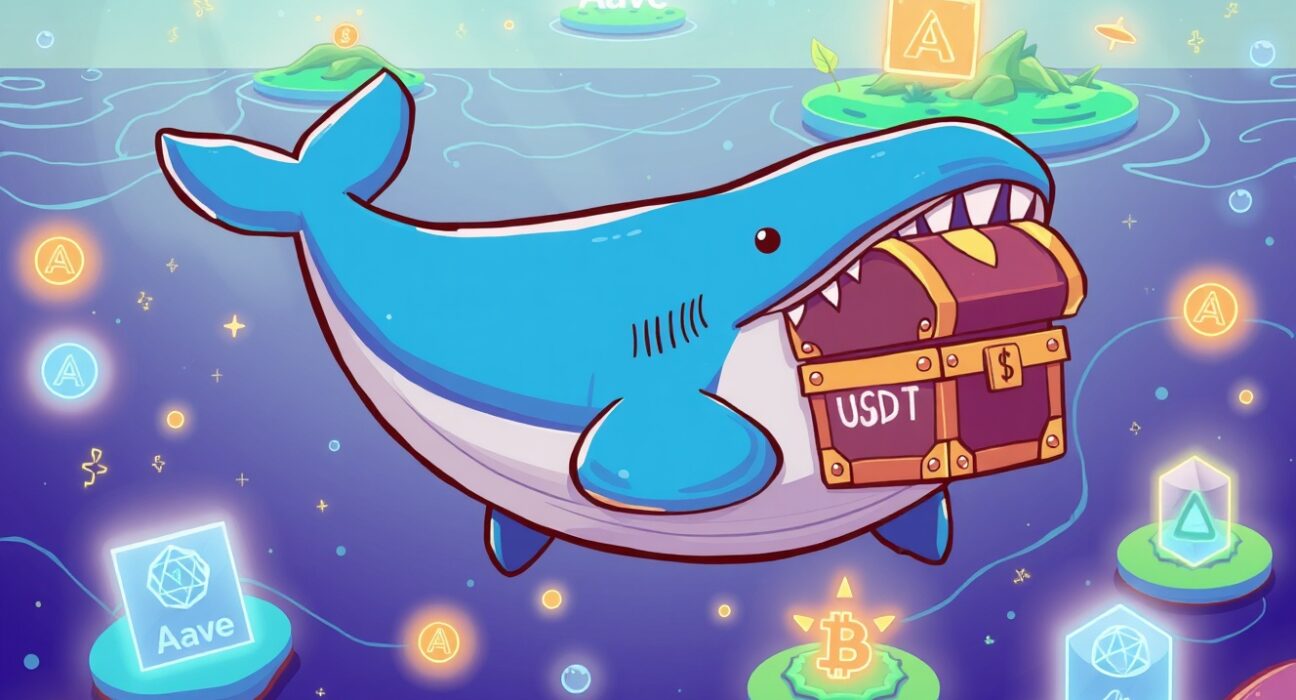
In a move that sent ripples through the cryptocurrency ecosystem, blockchain tracking service Whale Alert reported a staggering transaction: 1,000,000,090 USDT transferred from the HTX exchange to the Aave lending protocol. This single transaction, valued at approximately $1 billion, represents one of the largest stablecoin movements of the year. But what does this colossal USDT transferred event truly signify for the market? Let’s dive into the implications of this whale-sized maneuver.
What Does This Billion-Dollar USDT Transfer Mean?
When a whale moves this much capital, the market pays attention. The transaction involved moving Tether’s USDT stablecoin from a centralized exchange (HTX) to a decentralized finance (DeFi) protocol (Aave). This specific action suggests the entity behind the transfer is seeking yield or lending opportunities within the DeFi space rather than simply holding assets on an exchange. The sheer scale of this USDT transferred operation indicates sophisticated institutional or whale activity with specific strategic intentions.
Stablecoins like USDT serve as the lifeblood of crypto trading and DeFi ecosystems. They provide price stability in a volatile market and act as a bridge between traditional finance and cryptocurrency. Therefore, a movement of this magnitude directly impacts liquidity across multiple platforms. The destination—Aave—is particularly telling. Aave is a leading decentralized lending protocol where users can deposit assets to earn interest or borrow against their holdings.
Why Would a Whale Move USDT to Aave?
The decision to transfer such a vast sum to Aave likely revolves around several key financial strategies:
- Yield Generation: By depositing USDT into Aave, the whale can earn a passive yield from borrowers who pay interest on their loans.
- Collateral for Borrowing: The deposited USDT can be used as collateral to borrow other cryptocurrencies, enabling leveraged trading strategies without selling the original stablecoin position.
- Capital Efficiency: DeFi protocols often allow users to employ their capital more efficiently across multiple strategies simultaneously.
- Market Positioning: This could signal preparation for anticipated market movements or volatility where having assets in a lending protocol provides flexibility.
This strategic USDT transferred to Aave demonstrates how sophisticated players utilize DeFi infrastructure. Unlike simply holding assets on an exchange, deploying capital in Aave turns static holdings into productive assets. The whale essentially transforms their billion-dollar position from idle cash into an interest-earning instrument with additional utility for future financial maneuvers.
How Does This USDT Transfer Impact Crypto Markets?
The immediate effect of this transaction is multifaceted. First, it removes a significant amount of liquidity from HTX, potentially affecting trading pairs and market depth on that exchange. Second, it injects substantial liquidity into the Aave protocol, which could influence lending rates and borrowing availability across the DeFi ecosystem. When such a large amount of USDT is transferred into a lending protocol, it typically increases the supply side, which might temporarily lower interest rates for USDT lenders on Aave.
Moreover, transactions of this scale often serve as market signals. Other traders and institutions monitor whale movements for clues about market sentiment and strategic positioning. This particular move suggests confidence in the DeFi sector’s stability and yield opportunities despite broader market conditions. It also highlights the growing maturity of cryptocurrency markets, where billion-dollar positions can move seamlessly between centralized and decentralized platforms.
What Are the Risks of Such Large Stablecoin Movements?
While impressive in scale, transactions like this USDT transferred between platforms do carry certain considerations:
- Smart Contract Risk: Despite Aave’s established reputation, depositing $1 billion into any smart contract carries inherent technical risk.
- Market Impact: If the whale decides to withdraw or redeploy these funds suddenly, it could create liquidity shocks.
- Regulatory Attention: Transactions of this magnitude often attract scrutiny from regulatory bodies monitoring capital flows.
- Counterparty Risk: While reduced in DeFi compared to centralized platforms, there’s still reliance on protocol security and governance.
However, the very occurrence of this transaction demonstrates growing confidence in DeFi infrastructure’s ability to handle institutional-scale operations. The fact that an entity feels comfortable moving $1 billion through these channels marks a significant milestone for decentralized finance adoption.
The Future of Whale Movements in DeFi
This billion-dollar USDT transferred event likely represents a trend rather than an anomaly. As DeFi protocols mature and offer competitive financial products, we can expect more institutional capital to flow from traditional exchanges to decentralized platforms. The transparency of blockchain tracking means these movements become public market signals, creating a new layer of market intelligence for all participants.
The transaction underscores several key developments: the growing interoperability between centralized and decentralized finance, the increasing scale of operations within crypto ecosystems, and the sophisticated financial strategies now possible with digital assets. As infrastructure improves and yields remain attractive, Aave and similar protocols may see more of these monumental transfers.
Conclusion: A Watershed Moment for DeFi
The movement of 1,000,000,090 USDT from HTX to Aave represents more than just a large transaction—it symbolizes the evolving landscape of digital finance. This whale’s decision to deploy capital in DeFi rather than keep it parked on an exchange highlights the growing sophistication and opportunity within decentralized ecosystems. As the market digests this USDT transferred event, it serves as a powerful reminder of how cryptocurrency and DeFi continue to redefine what’s possible with global capital movements.
Such transparent, large-scale operations were unimaginable in traditional finance just a decade ago. Today, they occur on public blockchains for anyone to analyze, demonstrating the revolutionary potential of this technology. This transaction doesn’t just move value—it moves the entire industry forward.
Frequently Asked Questions
Q1: What is Whale Alert and how does it track such transactions?
A1: Whale Alert is a blockchain tracking service that monitors large cryptocurrency transactions across public ledgers. It uses algorithms to identify substantial movements of digital assets and reports them publicly, providing transparency into whale activities.
Q2: Why is the amount 1,000,000,090 USDT instead of a round number?
A2: The specific amount likely includes transaction fees or represents the exact available balance after accounting for minor costs. In blockchain transactions, whales often transfer entire wallets contents rather than round numbers.
Q3: Could this USDT transfer affect stablecoin prices?
A3: While individual transactions rarely affect stablecoin prices directly, massive movements can impact liquidity on specific platforms. USDT maintains its peg through arbitrage mechanisms and reserve backing rather than individual transaction sizes.
Q4: How long does it take to transfer $1 billion in USDT?
A4: On the Tron or Ethereum networks where USDT commonly operates, such transfers typically confirm within minutes, demonstrating the efficiency of blockchain settlements compared to traditional banking systems.
Q5: What percentage of Aave’s total USDT supply does this represent?
A5: While exact percentages fluctuate with market conditions, a $1 billion deposit represents a significant portion of Aave’s USDT market, potentially making this whale one of the protocol’s largest liquidity providers.
Q6: Are there tax implications for transferring this much USDT?
A6: Tax implications vary by jurisdiction, but moving assets between wallets or platforms typically doesn’t create taxable events. However, earning yield or realizing gains through subsequent activities would have tax consequences in many regions.
Share This Insight
Did this analysis of the massive USDT transferred between HTX and Aave help you understand whale movements in cryptocurrency? Share this article with fellow crypto enthusiasts on Twitter, LinkedIn, or your favorite social platform to continue the conversation about DeFi’s growing role in institutional finance. Your shares help build a more informed crypto community!
To learn more about the latest DeFi and stablecoin trends, explore our article on key developments shaping cryptocurrency lending protocols and institutional adoption.
Disclaimer: The information provided is not trading advice, Bitcoinworld.co.in holds no liability for any investments made based on the information provided on this page. We strongly recommend independent research and/or consultation with a qualified professional before making any investment decisions.
