

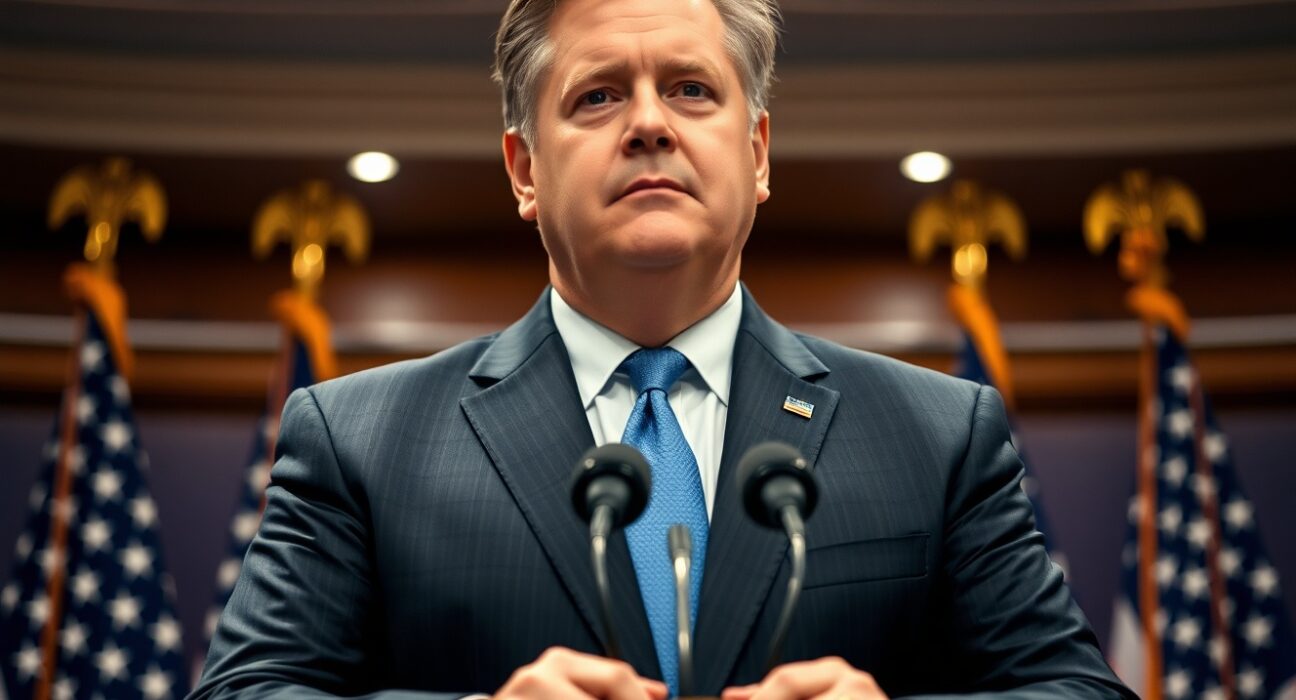
WASHINGTON, D.C. — US Vice President JD Vance confirmed on Tuesday that while no final agreement has been reached, a substantial framework now exists for what political observers describe as a “grand deal” with potentially far-reaching implications for the nation’s economic and legislative landscape. This announcement comes after months of behind-the-scenes negotiations between congressional leaders and administration officials.
US Vice President Vance Outlines Grand Deal Framework
During a press briefing at the White House, Vice President Vance provided the first official confirmation that negotiators have established foundational parameters for comprehensive legislation. However, he emphasized that significant details remain unresolved. The framework reportedly addresses multiple policy areas simultaneously, creating what analysts call a “package approach” to governance. This strategy represents a departure from piecemeal legislation that has characterized recent congressional sessions.
Political scientists note that such frameworks typically emerge when multiple stakeholders identify overlapping interests. Consequently, they create opportunities for trade-offs across different policy domains. The current framework appears to connect elements of fiscal policy, regulatory reform, and infrastructure investment. These connections potentially create pathways for bipartisan support that individual measures might not achieve independently.
Political Context and Negotiation Background
The announcement follows six months of intensive discussions between congressional committees and executive branch representatives. Historically, major legislative packages require this type of preliminary framework development before detailed negotiations can proceed. The Reagan-era tax reforms of 1986 and the Affordable Care Act negotiations of 2009-2010 followed similar patterns of framework establishment followed by lengthy implementation talks.
Vice President Vance’s role in these negotiations reflects his growing influence within the administration’s legislative strategy team. Previously, he served as a key liaison between the White House and Senate Republicans during his tenure as Senator from Ohio. This experience provides him with unique insights into the procedural and political challenges of complex legislation.
Key Components of the Emerging Framework
While specific details remain confidential, multiple sources familiar with the negotiations have identified several probable components:
- Fiscal provisions addressing budget reconciliation processes
- Regulatory modernization across multiple executive agencies
- Infrastructure investment mechanisms with public-private components
- Trade adjustment programs for affected industries
- Technology governance frameworks for emerging sectors
These elements reportedly interconnect through what negotiators call “cross-cutting enforcement mechanisms.” Essentially, progress in one area would facilitate advancement in others. This approach aims to maintain momentum throughout what promises to be a complex implementation phase.
Economic Implications and Market Reactions
Financial markets responded cautiously to the announcement, with major indices showing minimal movement during afternoon trading. However, sector-specific movements suggested investors were analyzing potential impacts. Technology stocks showed slight gains while traditional industrial sectors experienced modest declines. This pattern indicates market participants are beginning to assess which industries might benefit most from the proposed framework.
Economic analysts emphasize that framework announcements typically precede detailed economic impact assessments. The Congressional Budget Office will likely require several weeks to evaluate any formal legislation that emerges from these negotiations. Previous similar processes have taken between 30 and 90 days for comprehensive scoring.
| Year | Legislation | Framework to Final Passage | Key Provisions |
|---|---|---|---|
| 2017 | Tax Cuts and Jobs Act | 5 months | Corporate tax reduction, individual brackets |
| 2021 | Infrastructure Investment Act | 8 months | Transportation, broadband, utilities |
| 2022 | CHIPS and Science Act | 6 months | Semiconductor manufacturing, research |
Procedural Pathways and Congressional Dynamics
The framework’s advancement faces multiple procedural hurdles in both chambers of Congress. In the House, Rules Committee considerations will determine which legislative vehicles carry the various components. Meanwhile, the Senate may employ reconciliation procedures for budgetary elements while using regular order for other provisions. This dual-track approach has become increasingly common for complex legislation.
Committee chairs from both parties have indicated willingness to engage with the framework’s general principles. However, ranking members have expressed concerns about specific implementation details. These concerns must be addressed before markup sessions can begin in earnest. The upcoming congressional recess period may provide opportunities for informal discussions to resolve outstanding issues.
Historical Precedents and Comparative Analysis
American political history contains numerous examples of “grand deals” that followed similar framework-first approaches. The Compromise of 1850, while addressing different issues, established a template for multi-faceted legislative packages. More recently, the 1997 Balanced Budget Act followed a comparable pattern of framework announcement followed by detailed negotiation.
Comparative analysis suggests successful frameworks typically share several characteristics:
- Clear articulation of core principles without premature specificity
- Identification of trade-off opportunities across policy domains
- Establishment of realistic timelines for implementation
- Inclusion of enforcement mechanisms for all parties
- Flexibility to accommodate unforeseen developments
The current framework appears to incorporate these elements based on available information. However, its ultimate success will depend on execution during the coming negotiation phase.
Conclusion
US Vice President Vance’s announcement confirms that a substantive framework now exists for potential grand deal legislation. While significant work remains before any final agreement, the establishment of this foundation represents a crucial step in the legislative process. The framework’s multi-faceted approach reflects evolving strategies for addressing complex policy challenges in a divided political environment. Consequently, observers will monitor subsequent developments closely as negotiators work to transform general principles into specific legislative language.
FAQs
Q1: What exactly did Vice President Vance announce?
Vice President Vance announced that negotiators have established a framework for comprehensive legislation but emphasized that no final agreement has been reached and details remain unresolved.
Q2: How long do these processes typically take from framework to legislation?
Historical precedents suggest 5-8 months from framework announcement to final passage, though complex packages sometimes require longer negotiation periods.
Q3: What policy areas might the framework address?
Based on available information, the framework likely connects fiscal policy, regulatory reform, infrastructure investment, trade adjustments, and technology governance.
Q4: How have markets reacted to the announcement?
Financial markets showed cautious, sector-specific movements rather than broad reactions, suggesting investors are analyzing potential impacts on different industries.
Q5: What happens next in the legislative process?
Negotiators will work to transform the framework into specific legislative language, followed by committee markups, scoring by the Congressional Budget Office, and floor consideration in both chambers.
Disclaimer: The information provided is not trading advice, Bitcoinworld.co.in holds no liability for any investments made based on the information provided on this page. We strongly recommend independent research and/or consultation with a qualified professional before making any investment decisions.
