

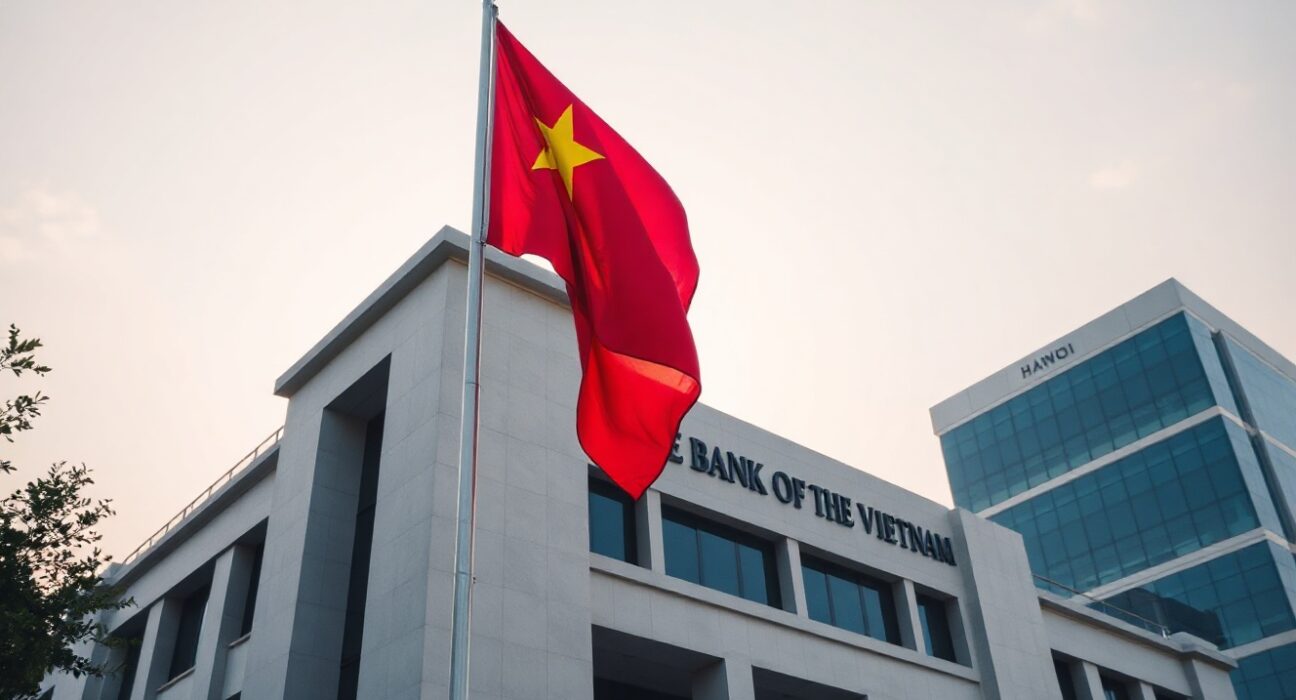
The Vietnamese dong (VND) has remained stable against the US dollar even as the country’s trade deficit has widened, according to a recent analysis by Commerzbank. The bank’s commentary, published on March 10, 2026, highlights that the State Bank of Vietnam’s (SBV) management of exchange rates and ample foreign exchange reserves have helped cushion the impact of a growing import bill.
Why the Dong Is Holding Up
Commerzbank’s assessment points to several factors underpinning the dong’s resilience. The SBV has actively intervened in the foreign exchange market, using its substantial reserves to smooth volatility and prevent sharp depreciation. This approach, combined with a relatively controlled inflation environment and steady foreign direct investment (FDI) inflows, has provided a buffer against external pressures.
The trade deficit, which has widened due to increased imports of machinery, electronics, and raw materials for manufacturing, has not triggered the kind of currency sell-off that might be expected in other emerging markets. Analysts note that Vietnam’s export sector remains robust, and the deficit is largely a reflection of the country’s role as a manufacturing hub, importing inputs to produce goods for export.
Implications for Businesses and Investors
For businesses operating in Vietnam, currency stability is a critical factor. A stable dong reduces uncertainty for importers and exporters, allowing for more predictable pricing and financial planning. It also supports investor confidence, as currency volatility is often a major risk consideration for foreign direct investment.
However, the situation is not without risks. If the trade deficit continues to widen significantly, or if global financial conditions tighten, the pressure on the dong could increase. Commerzbank’s analysis suggests that the SBV’s policy stance will be key in determining whether the dong can maintain its stability in the coming months.
What to Watch
Market participants will be closely monitoring Vietnam’s trade data, foreign exchange reserves, and the SBV’s policy signals. The central bank’s ability to manage the balance between supporting exports and maintaining currency stability will be crucial. Any shift in US Federal Reserve policy, which affects the dollar’s strength, will also have implications for the dong.
Conclusion
Commerzbank’s analysis indicates that the Vietnamese dong is currently stable despite a widening trade deficit, thanks to proactive central bank management and strong economic fundamentals. While risks remain, the immediate outlook suggests continued resilience. For businesses and investors, this stability provides a favorable environment, but vigilance is advised as global economic conditions evolve.
FAQs
Q1: Why is the Vietnamese dong stable despite a trade deficit?
The State Bank of Vietnam has used its foreign exchange reserves to intervene in the market, and strong FDI inflows and export performance have supported the currency.
Q2: What did Commerzbank specifically say about the dong?
Commerzbank noted that the dong has remained stable, attributing this to the SBV’s management and adequate reserves, despite the widening trade deficit.
Q3: What could threaten the dong’s stability?
A significantly larger trade deficit, tighter global financial conditions, or a stronger US dollar could increase pressure on the dong, potentially requiring further central bank intervention.
Disclaimer: The information provided is not trading advice, Bitcoinworld.co.in holds no liability for any investments made based on the information provided on this page. We strongly recommend independent research and/or consultation with a qualified professional before making any investment decisions.
