

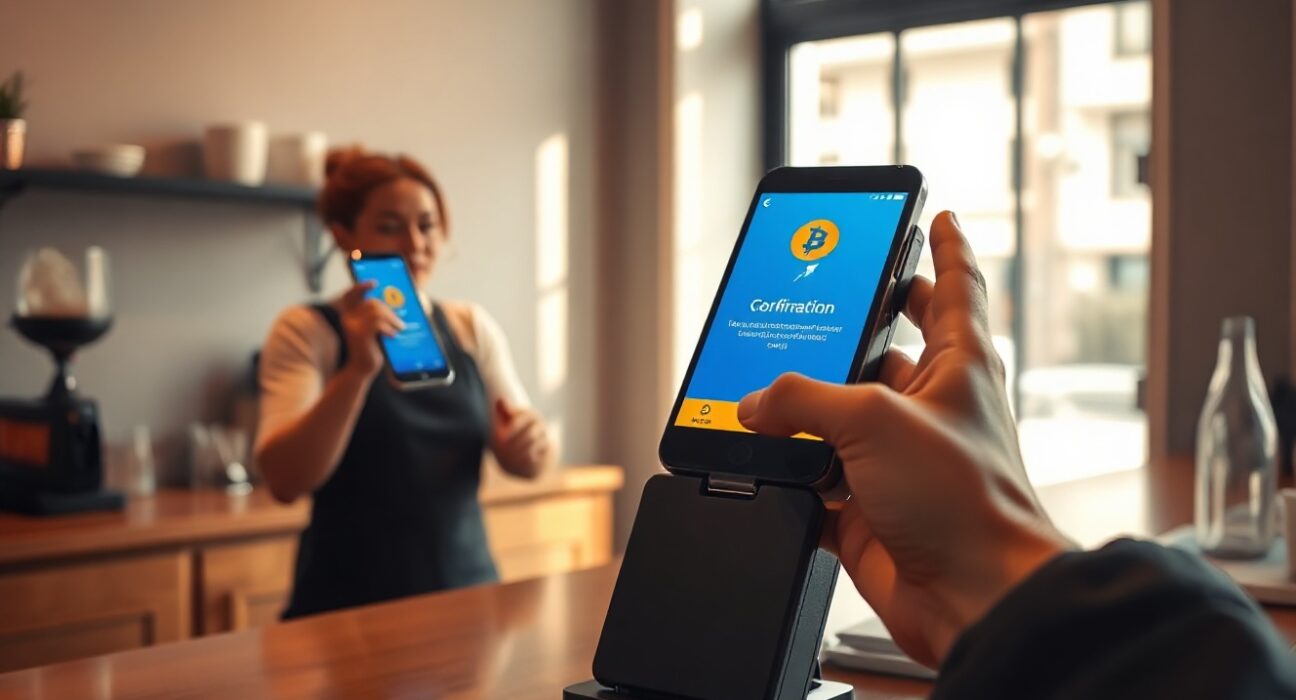
Wallet of Satoshi, a widely used Bitcoin Lightning Network wallet, has announced it will transition its point-of-sale (POS) service for merchants to a self-custody model. The company cited increasing government reporting requirements for custodial crypto services as the primary driver behind the change, a move that will require business operators to manage their own private keys.
What the Transition Means for Merchants
In a post on X, Wallet of Satoshi explained that support for existing custodial POS addresses will be phased out. Merchants currently using the service will need to generate new self-custody addresses to continue processing Bitcoin Lightning payments. The company emphasized that the shift is a direct response to evolving regulatory frameworks that would otherwise compel it to collect and store user data, a direction it wishes to avoid.
The decision reflects a broader tension in the cryptocurrency industry: the conflict between the ethos of self-sovereignty and the growing compliance burden imposed by governments worldwide. By moving to a self-custody model, Wallet of Satoshi aims to preserve user privacy and align with the core principles of Bitcoin, while still offering a functional payment tool for businesses.
Regulatory Context and Industry Implications
The announcement comes as regulators in multiple jurisdictions, including the European Union and the United States, tighten reporting standards for crypto custodians. The Financial Action Task Force (FATF) has also pushed for stricter oversight of virtual asset service providers. For Wallet of Satoshi, the choice to adopt self-custody allows it to sidestep the operational and legal burdens of compliance, but it also transfers more responsibility to the merchant.
Self-custody requires merchants to securely store their own private keys, a task that can be daunting for non-technical users. While it eliminates counterparty risk and reduces the platform’s liability, it also introduces the risk of user error, such as lost keys or improper security practices. Wallet of Satoshi has not yet detailed what educational resources or support it will offer to ease this transition.
Impact on the Lightning Network Ecosystem
Wallet of Satoshi has been a popular entry point for both individuals and small businesses adopting the Lightning Network due to its user-friendly interface and custodial simplicity. The shift to self-custody for its POS product may slow adoption among merchants who prefer a managed solution. However, it could also strengthen the network’s resilience by distributing key control more broadly, a move that aligns with the decentralized ethos of Bitcoin.
The broader industry will be watching closely to see if other custodial wallet providers follow suit. If regulatory pressures continue to mount, self-custody may become a more common design choice for services that want to avoid the cost and complexity of compliance.
Conclusion
Wallet of Satoshi’s decision to move its merchant POS service to self-custody is a pragmatic response to an increasingly regulated environment. It underscores the growing tension between usability and sovereignty in the cryptocurrency space. For merchants, the change brings greater control but also greater responsibility. The success of this transition will depend on how effectively the company supports its users in managing their own security.
FAQs
Q1: Why is Wallet of Satoshi switching its POS service to self-custody?
A1: The company stated it is responding to increasing government reporting requirements for custodial crypto services, which would necessitate collecting user data. Self-custody allows it to avoid these compliance burdens.
Q2: What do merchants need to do to continue using the service?
A2: Merchants must generate new self-custody addresses and manage their own private keys. Support for existing custodial POS addresses will be discontinued.
Q3: Does this change affect regular Wallet of Satoshi users?
A3: The announcement specifically applies to the merchant point-of-sale service. The company has not indicated changes to its consumer wallet offering at this time.
Disclaimer: The information provided is not trading advice, Bitcoinworld.co.in holds no liability for any investments made based on the information provided on this page. We strongly recommend independent research and/or consultation with a qualified professional before making any investment decisions.
