

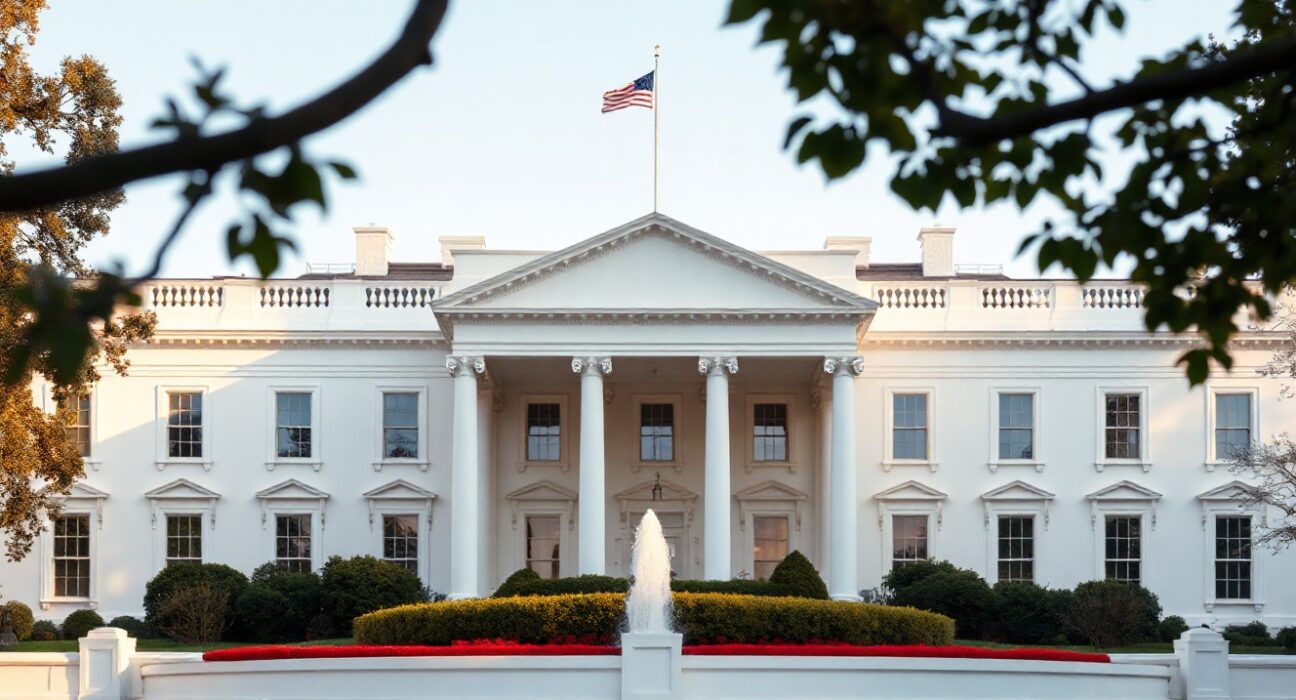
The White House is fully committed to passing the CLARITY Act next month, according to Patrick Witt, executive director of the White House crypto council. The statement, reported by Watcher.Guru, signals a renewed push to establish clearer federal rules for digital assets.
What is the CLARITY Act?
The CLARITY Act, short for “Clarity for Digital Tokens Act,” aims to define when a digital asset is considered a security or a commodity. The bill has been a focal point for industry stakeholders seeking regulatory clarity, as current enforcement actions by the SEC and CFTC often create overlapping and ambiguous jurisdiction. If passed, the legislation would provide a framework for token classification, potentially reducing compliance burdens for blockchain projects and exchanges.
Patrick Witt’s remarks come amid growing bipartisan interest in crypto regulation. Lawmakers have introduced several bills in recent sessions, but none have reached the president’s desk. The administration’s stated commitment to passing the CLARITY Act next month suggests a coordinated effort to align with broader financial innovation goals.
Why This Matters
The crypto market has faced significant volatility and legal uncertainty in recent years. High-profile enforcement actions, such as the SEC’s cases against major exchanges, have highlighted the urgent need for legislative clarity. A clear legal framework could encourage institutional investment, foster innovation, and protect consumers from fraudulent schemes.
Industry observers note that the CLARITY Act, if enacted, could reshape how digital assets are traded and regulated. For example, tokens deemed commodities would fall under CFTC oversight, while those classified as securities would remain under SEC jurisdiction. This distinction is critical for exchanges and issuers, as compliance requirements differ significantly between the two.
Potential Impact on Market Participants
Exchanges may need to adjust their listing policies based on the new classifications. Issuers could gain more confidence in launching tokens, knowing the legal boundaries. Investors, too, would benefit from clearer disclosure requirements, reducing the risk of investing in assets that later face regulatory action.
However, the bill’s passage is not guaranteed. Lawmakers must reconcile differing opinions on how to balance innovation with investor protection. Some argue that the CLARITY Act could be too permissive, potentially allowing risky assets to escape appropriate oversight. Others contend that without such legislation, the U.S. risks falling behind other jurisdictions like the European Union, which has already implemented the Markets in Crypto-Assets (MiCA) regulation.
Timeline and Next Steps
The administration’s commitment to passing the CLARITY Act next month suggests a strategic legislative push. If the bill is introduced and moves through committees quickly, it could reach a floor vote before the end of the current session. However, given the complexity of the issue and the crowded legislative calendar, delays are possible.
Patrick Witt’s role as executive director of the White House crypto council positions him as a key liaison between the administration and the crypto industry. His public statement indicates that the White House is actively prioritizing this legislation, which could signal a broader shift in the administration’s approach to digital assets.
Conclusion
The White House’s stated commitment to passing the CLARITY Act next month represents a significant development in the ongoing effort to regulate digital assets in the United States. While the bill’s ultimate fate remains uncertain, the administration’s focus on this issue underscores the growing importance of crypto policy. For industry participants and investors, the next few weeks will be crucial in determining the future regulatory landscape.
FAQs
Q1: What is the CLARITY Act?
The CLARITY Act is a proposed U.S. federal law aimed at defining whether digital tokens are securities or commodities, providing clearer regulatory guidelines for the crypto industry.
Q2: Who is Patrick Witt?
Patrick Witt is the executive director of the White House crypto council, a role focused on coordinating the administration’s digital asset policies.
Q3: Why is the CLARITY Act important?
The act would reduce regulatory uncertainty for crypto businesses and investors, potentially fostering innovation while ensuring consumer protections. It could also influence how exchanges and issuers operate in the U.S. market.
Disclaimer: The information provided is not trading advice, Bitcoinworld.co.in holds no liability for any investments made based on the information provided on this page. We strongly recommend independent research and/or consultation with a qualified professional before making any investment decisions.
