

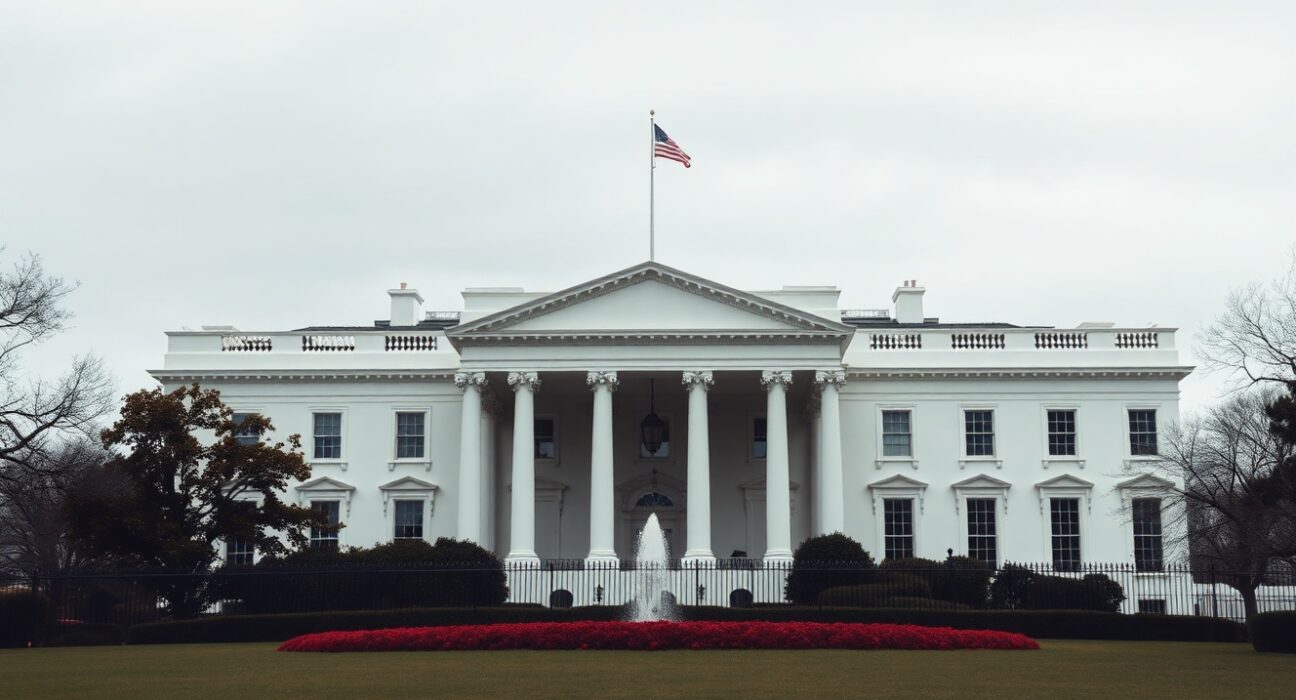
A senior White House crypto advisor has publicly stated that a key provision in the Blockchain Regulatory Certainty Act, or BRCA, does not align with the current administration’s policy direction, signaling a potential rift over how to regulate blockchain software developers.
White House Distances Itself From BRCA Provision
Patrick Witt, executive director of the White House crypto council, said the amendment to the BRCA — which has been folded into the broader CLARITY Act — is ‘nowhere close’ to the position held by the White House and the U.S. Treasury Department. The BRCA provision would establish legal protections to ensure non-custodial blockchain software developers are not classified as money transmitters under federal law.
Witt’s comments, first reported by Cointelegraph, represent the clearest public signal yet that the executive branch may oppose certain elements of the CLARITY Act, even as the legislation moves through Congress. The CLARITY Act combines several crypto-related bills, and the BRCA amendment is among the most debated sections.
What the BRCA Amendment Would Do
The BRCA was originally introduced as a standalone bill. Its core purpose is to clarify that developers of non-custodial blockchain software — such as wallet providers and decentralized application builders — are not subject to state-level money transmitter licensing requirements. Supporters argue this legal certainty is essential for innovation and for keeping blockchain development within the United States.
Critics, including some Treasury officials, have expressed concern that the amendment could create regulatory gaps, making it harder to enforce anti-money laundering and sanctions compliance in the crypto ecosystem. The White House has not issued a formal veto threat, but Witt’s remarks suggest the administration may push for revisions.
Why This Matters for the Crypto Industry
The outcome of this legislative debate carries significant implications for blockchain developers and the broader crypto industry. If the BRCA amendment survives in its current form, developers would gain clear legal protections, potentially accelerating innovation and investment in decentralized finance. If the White House successfully alters or removes the provision, the regulatory environment could remain uncertain, pushing some projects overseas.
For readers, this is a story about the tension between innovation-friendly regulation and federal oversight priorities. It also highlights the ongoing struggle within the U.S. government to define a coherent crypto policy.
Conclusion
Patrick Witt’s public divergence from the BRCA amendment underscores the complex dynamics at play as Congress considers the CLARITY Act. The coming weeks will be critical as lawmakers weigh the White House’s concerns against industry demands for legal clarity. The final shape of the bill will likely set the tone for U.S. crypto regulation for years to come.
FAQs
Q1: What is the BRCA amendment?
The BRCA amendment is a provision in the CLARITY Act that would legally protect non-custodial blockchain software developers from being classified as money transmitters.
Q2: Why does the White House oppose the amendment?
Patrick Witt, executive director of the White House crypto council, said the amendment diverges from the administration’s and Treasury Department’s position, likely due to concerns about regulatory oversight and enforcement gaps.
Q3: What is the CLARITY Act?
The CLARITY Act is a broader legislative package that combines multiple crypto-related bills, including the BRCA, aimed at providing regulatory clarity for digital assets.
Disclaimer: The information provided is not trading advice, Bitcoinworld.co.in holds no liability for any investments made based on the information provided on this page. We strongly recommend independent research and/or consultation with a qualified professional before making any investment decisions.
