

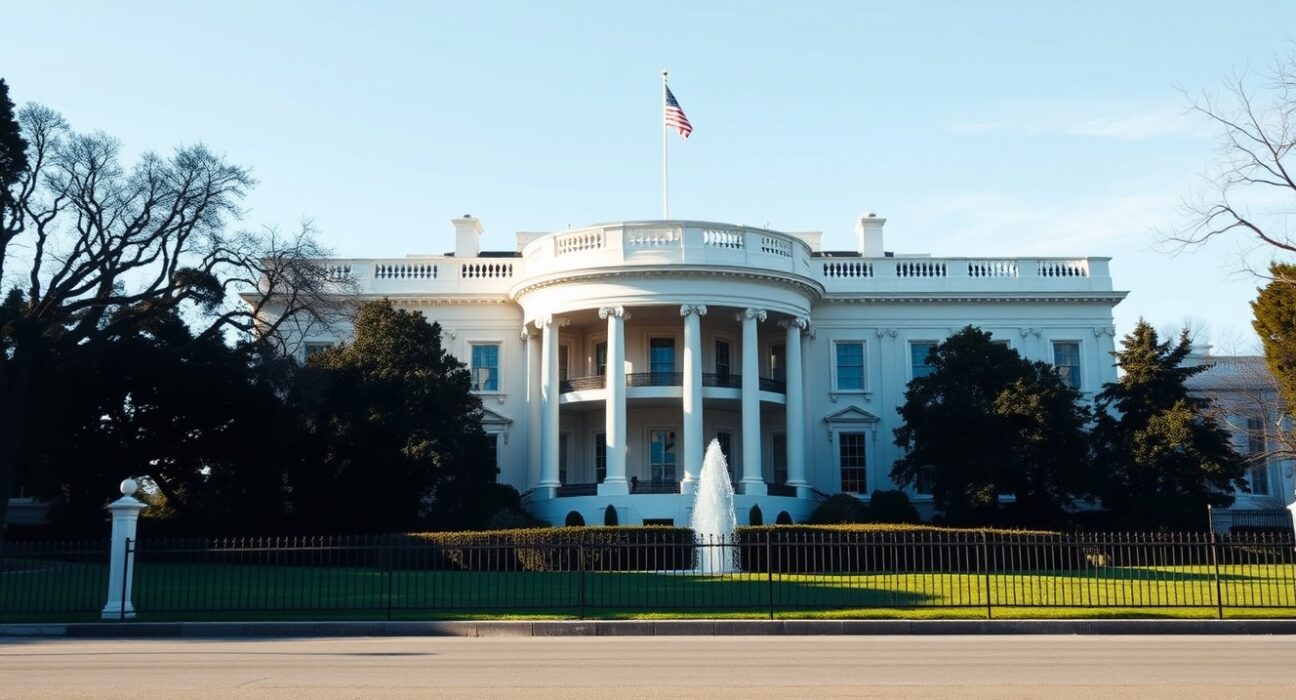
The White House is currently reviewing a compromise on ethics provisions within the CLARITY Act, a move that could determine the bill’s fate in the Senate. The revised proposal, drafted by Republican Senator Thom Tillis and Democratic Senator Ruben Gallego, was delivered to the White House on the morning of July 30. According to Eleanor Terrett, host at the crypto policy outlet Crypto In America, the compromise reportedly includes a role for state attorneys general, though specific details remain undisclosed.
Background and Context
The CLARITY Act, formally known as the “Cryptoasset Legal Clarity and Investor Transparency Act,” aims to establish a clear regulatory framework for digital assets, addressing long-standing ambiguities in how cryptocurrencies are classified and overseen. The bill has been a focal point for the crypto industry, which has sought clearer rules to foster innovation while ensuring investor protection.
The latest compromise emerges after months of negotiations, with the White House previously expressing concerns over certain ethics provisions. These provisions are designed to prevent conflicts of interest among regulators and to ensure that enforcement actions are conducted fairly. The inclusion of state attorneys general in the enforcement process is seen as a significant concession, potentially giving states a more prominent role in policing the crypto market.
Industry Pressure and Timing
Crypto industry participants have been actively lobbying for the bill’s passage, emphasizing to the White House that an agreement on the ethics provisions is essential. Their engagement underscores the industry’s urgency to secure a regulatory framework that provides certainty and legitimacy. The White House’s review is expected to conclude soon, and a decision could pave the way for a Senate vote as early as next week.
The timing is critical, as the current legislative session is winding down, and any delay could push the bill into an uncertain post-election period. The outcome of the White House review will signal whether the administration is willing to support the compromise or whether further negotiations are needed.
Implications for the Crypto Market
The CLARITY Act’s passage would be a landmark moment for the crypto industry, offering regulatory clarity that could attract institutional investors and mainstream adoption. Conversely, failure to pass the bill could leave the market in a state of regulatory limbo, potentially stifling innovation and driving businesses to more favorable jurisdictions.
For readers, the bill’s progress is not just a legislative matter but a direct influence on the future of digital finance. Clear rules could reduce compliance costs and legal uncertainties, while also protecting consumers from fraud and market manipulation. The inclusion of state attorneys general may also lead to a more decentralized enforcement approach, which could vary across states, adding a layer of complexity for businesses operating nationally.
Conclusion
The White House’s review of the CLARITY Act ethics compromise is a pivotal moment for crypto regulation in the United States. With industry pressure mounting and a potential Senate vote on the horizon, the administration’s decision will have far-reaching consequences. While the specifics of the compromise remain under wraps, the reported inclusion of state attorneys general suggests a balanced approach that may address earlier concerns. As the situation develops, stakeholders will be watching closely to see whether the bill can clear its final hurdles.
FAQs
Q1: What is the CLARITY Act?
The CLARITY Act, or the “Cryptoasset Legal Clarity and Investor Transparency Act,” is a proposed U.S. law aimed at establishing a clear regulatory framework for digital assets, clarifying how cryptocurrencies are classified and overseen.
Q2: Why is the White House review important?
The White House’s review of the ethics compromise will determine whether the administration supports the bill, which could influence the Senate vote. If the White House endorses the compromise, the bill’s chances of passing increase significantly.
Q3: What role would state attorneys general play under the compromise?
According to reports, the compromise includes a role for state attorneys general, though specific provisions are not yet public. This could mean state-level enforcement or coordination with federal regulators, potentially leading to a more decentralized approach to crypto oversight.
Disclaimer: The information provided is not trading advice, Bitcoinworld.co.in holds no liability for any investments made based on the information provided on this page. We strongly recommend independent research and/or consultation with a qualified professional before making any investment decisions.
