

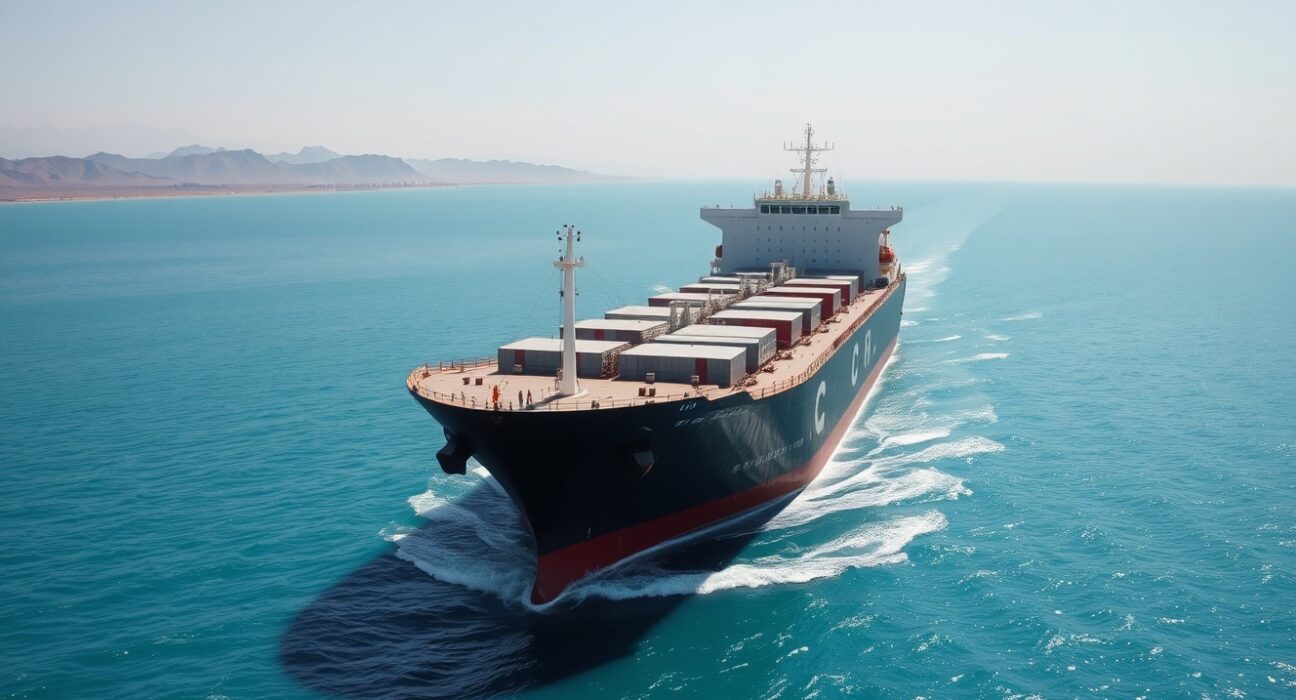
West Texas Intermediate (WTI) crude oil prices edged higher on Tuesday, trading above $95.50 per barrel, as escalating tensions between the United States and Iran raised fresh concerns about potential disruptions to shipping through the Strait of Hormuz. The strategic waterway, a critical chokepoint for global oil supplies, has once again become the focal point of geopolitical risk in energy markets.
Geopolitical Catalyst Behind the Move
The latest price action follows a series of强硬 statements from both Washington and Tehran over the weekend. The U.S. administration announced additional sanctions on Iranian oil exports and reiterated its commitment to enforcing a strict embargo. In response, Iranian military officials warned of possible retaliatory measures, including heightened patrols near the Strait of Hormuz, through which roughly 20% of the world’s oil passes daily.
While no direct blockade has been implemented, traders are pricing in a risk premium as history shows that even temporary disruptions at this chokepoint can send crude prices sharply higher. The market remains sensitive to any signs of military posturing that could escalate into a broader confrontation.
Market Implications and Supply Dynamics
The current rally is supported by a backdrop of already tight global supply. OPEC+ production cuts, combined with steady demand from Asia, have kept inventories low. A disruption at the Strait of Hormuz would primarily affect crude flows from Saudi Arabia, Iraq, Kuwait, and the UAE, potentially removing millions of barrels per day from the market.
Analysts note that the U.S. has strategic petroleum reserves that could be tapped to mitigate a short-term spike, but a prolonged closure would have severe consequences for global energy prices and economic stability. The International Energy Agency has previously estimated that a full blockage could push oil prices above $120 per barrel within weeks.
Why This Matters to Investors and Consumers
For investors, the immediate takeaway is that WTI prices are likely to remain volatile with an upward bias as long as geopolitical tensions persist. For consumers, higher crude prices translate directly into elevated gasoline and heating oil costs, adding to inflationary pressures already weighing on households. The broader economic implication is that sustained oil price increases could slow global growth, particularly in import-dependent nations.
Conclusion
WTI crude oil’s climb above $95.50 reflects a market acutely focused on the intersection of geopolitics and supply security. While no physical disruption has occurred, the mere threat of Strait of Hormuz instability is enough to sustain elevated prices. Traders will watch for any diplomatic developments or military incidents that could either de-escalate or inflame the situation in the coming days.
FAQs
Q1: What is the Strait of Hormuz and why is it important for oil prices?
The Strait of Hormuz is a narrow waterway between Iran and Oman through which about 20% of the world’s oil passes. Any threat to its security can cause oil prices to spike due to fears of supply disruption.
Q2: How are US-Iran tensions directly affecting WTI prices?
Recent US sanctions on Iranian oil exports and Iranian threats of retaliation near the Strait of Hormuz have increased the perceived risk of supply interruptions, prompting traders to bid up WTI futures.
Q3: Could oil prices go higher if the situation escalates?
Yes. Analysts warn that a prolonged disruption could push prices above $120 per barrel, depending on the duration and severity of any blockade or military conflict.
Disclaimer: The information provided is not trading advice, Bitcoinworld.co.in holds no liability for any investments made based on the information provided on this page. We strongly recommend independent research and/or consultation with a qualified professional before making any investment decisions.
