

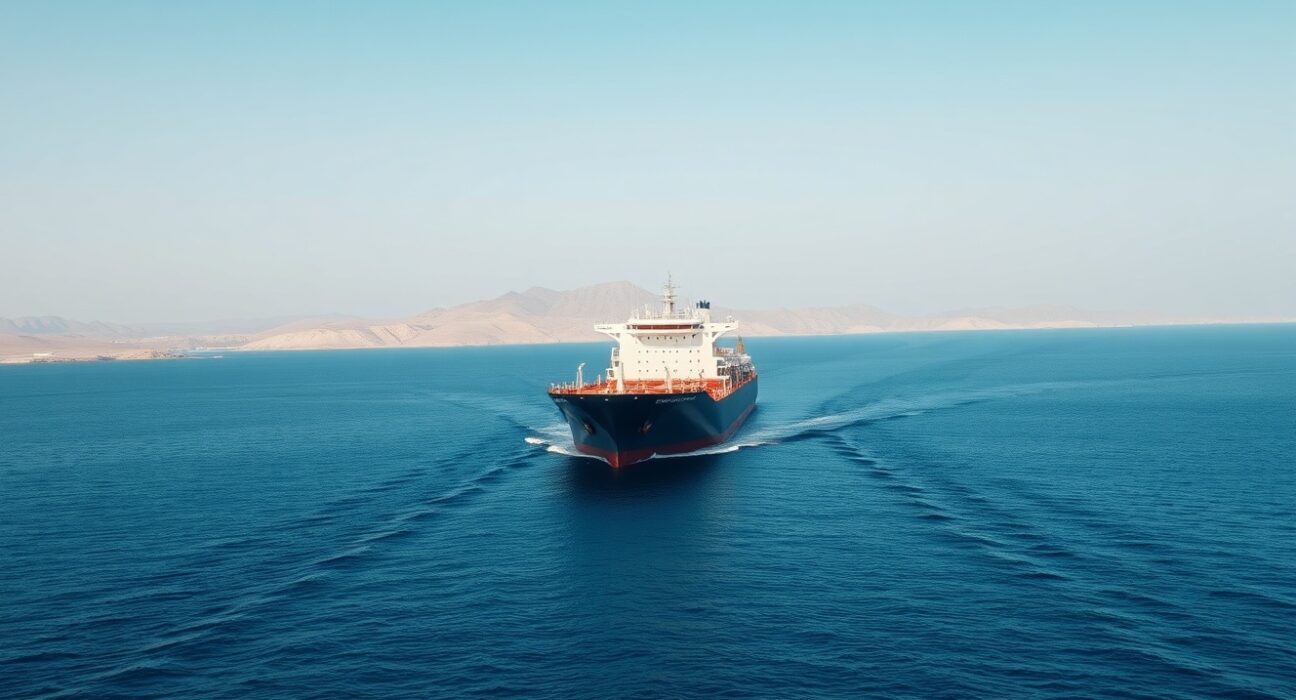
West Texas Intermediate (WTI) crude oil prices edged higher on Wednesday, supported by improving shipping conditions through the strategic Strait of Hormuz. However, gains remained capped as traders weighed a mixed global risk environment that continues to inject uncertainty into the energy market.
Hormuz Shipping Improves, Easing Supply Concerns
The partial easing of maritime tensions near the Strait of Hormuz, a critical chokepoint for global oil shipments, has provided a tailwind for WTI futures. Recent diplomatic signals and a reduction in immediate threats to commercial vessels have allowed some shipping traffic to resume more normal patterns, alleviating the most acute fears of a sudden supply disruption. Analysts note that while the situation remains fluid, the immediate risk of a full blockade has receded, prompting a modest recovery in prices after recent volatility.
Mixed Risk Appetite Limits Upside Momentum
Despite the positive shipping news, WTI’s upward trajectory was tempered by a cautious mood across broader financial markets. Lingering concerns over global economic growth, particularly in key consuming regions, alongside uncertainty about future interest rate decisions, have kept risk appetite in check. This mixed sentiment has prevented oil prices from staging a more decisive breakout, as traders remain hesitant to commit to sustained long positions without clearer signals on demand.
Market Implications and What to Watch
The interplay between geopolitical supply risks and macroeconomic demand concerns is likely to keep WTI trading in a defined range in the near term. For traders and energy consumers, the key factors to monitor include any new developments in Hormuz shipping safety, upcoming inventory data from the U.S. Energy Information Administration (EIA), and central bank commentary that could influence the economic outlook. The market remains highly sensitive to headlines, making volatility a persistent feature.
Conclusion
WTI crude oil has found support from improving logistics at the Strait of Hormuz, but a mixed risk appetite driven by economic uncertainty is preventing a sustained rally. The market is likely to remain data-dependent and reactive to geopolitical news in the coming sessions.
FAQs
Q1: Why is the Strait of Hormuz important for oil prices?
The Strait of Hormuz is a narrow waterway through which a significant portion of the world’s seaborne oil passes. Any disruption to shipping there can directly impact global supply and cause prices to spike.
Q2: What does ‘mixed risk outlook’ mean for oil traders?
A mixed risk outlook refers to a market environment where positive and negative signals are balanced. For oil, this means factors like geopolitical tension (supportive) and economic slowdown fears (bearish) compete, often leading to range-bound trading.
Q3: How do shipping improvements affect WTI prices?
When shipping routes like the Strait of Hormuz become safer and more predictable, the immediate supply disruption risk decreases. This can lead to a moderation in prices, but the effect may be limited if other bearish factors, like weak demand, are present.
Disclaimer: The information provided is not trading advice, Bitcoinworld.co.in holds no liability for any investments made based on the information provided on this page. We strongly recommend independent research and/or consultation with a qualified professional before making any investment decisions.
