

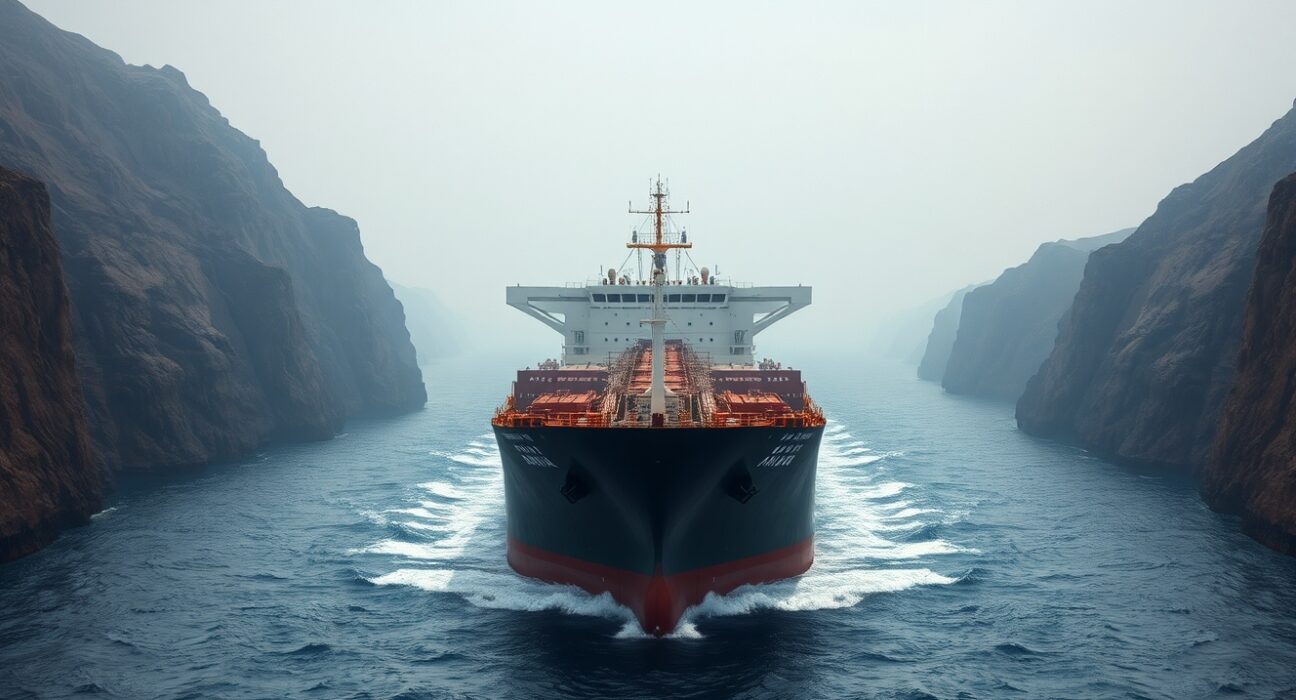
WTI Oil extends gains as the prolonged closure of the Strait of Hormuz reinforces a severe supply shock across global energy markets. Traders and analysts now brace for sustained price volatility. The disruption, now entering its third week, has removed millions of barrels from daily supply chains. This event marks one of the most significant geopolitical disruptions to oil flows in recent decades.
Understanding the Hormuz Closure and Its Impact on WTI Oil
The Strait of Hormuz is a critical chokepoint. Approximately 20% of the world’s oil passes through this narrow waterway. A prolonged closure directly threatens global supply. WTI Oil prices have responded sharply, rising over 8% in the past five trading sessions. This surge reflects market fears of a sustained supply deficit.
Analysts at the International Energy Agency (IEA) have issued warnings. They state that every day of closure removes roughly 17 million barrels from the market. This creates a supply shock that reverberates through futures contracts. WTI Oil, as the benchmark for US crude, has become the focal point for hedging and speculative activity.
Key Drivers Behind the WTI Oil Price Surge
Several factors fuel the current price action. These include geopolitical tensions, logistical bottlenecks, and market psychology.
- Geopolitical Risk Premium: The closure stems from heightened regional tensions. Investors now price in a higher risk of conflict.
- Supply Chain Disruption: Tankers cannot transit the strait. This forces rerouting, which increases costs and delays deliveries.
- Inventory Drawdowns: US crude inventories have fallen sharply. The Energy Information Administration (EIA) reported a 5-million-barrel draw last week.
- Speculative Buying: Hedge funds have increased long positions on WTI Oil. This amplifies upward price momentum.
These drivers create a feedback loop. Higher prices encourage more buying, which pushes prices even higher. The supply shock reinforces this cycle.
Global Economic Consequences of the Supply Shock
The supply shock does not affect only oil markets. It has broader economic implications. Higher WTI Oil prices increase input costs for manufacturers. They also raise transportation expenses for consumers. This can lead to higher inflation, which central banks may combat with tighter monetary policy.
Developing nations feel the impact most acutely. Countries like India and Pakistan import large volumes of crude. A sustained price increase strains their foreign exchange reserves. This creates a drag on economic growth.
Expert Analysis on Market Fundamentals
Market veteran John Kilduff of Again Capital notes that the situation is unprecedented in modern history. He states that the closure of Hormuz creates a physical supply shortage. This is not just a paper market phenomenon. Refineries must now scramble for alternative supplies, which drives up spot prices for WTI Oil.
Data from the International Monetary Fund (IMF) shows that a 10% increase in oil prices can reduce global GDP by 0.2% to 0.5%. The current surge exceeds that threshold. Policymakers now face a difficult balancing act between supporting growth and controlling inflation.
Timeline of Events Leading to the Crisis
Understanding the timeline helps contextualize the current supply shock.
| Date | Event |
|---|---|
| Day 1 | Regional tensions escalate. Military activity reported near the strait. |
| Day 3 | First reports of shipping disruptions. Insurance premiums for tankers triple. |
| Day 7 | Strait officially closed. WTI Oil jumps 5% in a single session. |
| Day 14 | Diplomatic talks stall. Supply shock becomes entrenched. |
| Day 21 (Current) | WTI Oil extends gains. Analysts revise price forecasts upward. |
This timeline shows how quickly a localized disruption can become a global crisis. The prolonged nature of the closure now reinforces the supply shock.
Comparative Analysis: WTI Oil vs. Brent Crude
The supply shock affects both WTI Oil and Brent crude, but differently. WTI Oil, priced in Cushing, Oklahoma, benefits from domestic US production. However, it still feels the global supply squeeze. Brent crude, priced in the North Sea, reacts more directly to the Hormuz closure because it serves as the benchmark for Middle Eastern exports.
Currently, the spread between WTI and Brent has widened. Brent trades at a premium of $5 per barrel over WTI. This reflects the higher risk associated with Middle Eastern supply routes. Traders now watch this spread closely for signs of further divergence.
Future Outlook for WTI Oil Prices
The outlook depends on the duration of the Hormuz closure. If it resolves within weeks, prices may retreat. However, a prolonged closure could push WTI Oil above $100 per barrel. Analysts at Goldman Sachs have raised their 3-month price target to $95.
Key factors to watch include diplomatic developments, US Strategic Petroleum Reserve releases, and OPEC+ responses. The supply shock may prompt coordinated action from major consumers. However, any intervention takes time to implement.
Conclusion
WTI Oil extends gains as the prolonged Hormuz closure reinforces a severe supply shock. This event reshapes global energy markets and creates significant economic risks. Traders, policymakers, and consumers must prepare for sustained volatility. The coming weeks will determine whether this shock becomes a temporary spike or a prolonged price shift. Understanding the fundamentals behind WTI Oil remains essential for navigating this uncertain period.
FAQs
Q1: Why is the Strait of Hormuz so important for WTI Oil prices?
The Strait of Hormuz is a critical chokepoint for global oil shipments. Its closure removes millions of barrels from daily supply, creating a supply shock that directly drives up WTI Oil prices.
Q2: How long can the supply shock from the Hormuz closure last?
The duration depends on diplomatic resolutions. If the closure persists beyond a month, the supply shock becomes entrenched, potentially pushing WTI Oil above $100 per barrel.
Q3: What can governments do to mitigate the impact of rising WTI Oil prices?
Governments can release strategic petroleum reserves, implement fuel subsidies, or encourage domestic production. However, these measures take time and may not fully offset the supply shock.
Q4: How does the WTI Oil price surge affect everyday consumers?
Higher WTI Oil prices lead to increased gasoline and heating oil costs. This reduces disposable income and can contribute to broader inflationary pressures.
Q5: Is the current WTI Oil price increase sustainable?
Sustainability depends on supply and demand dynamics. If the Hormuz closure resolves, prices may correct. However, a prolonged disruption could keep prices elevated for months.
Disclaimer: The information provided is not trading advice, Bitcoinworld.co.in holds no liability for any investments made based on the information provided on this page. We strongly recommend independent research and/or consultation with a qualified professional before making any investment decisions.
