

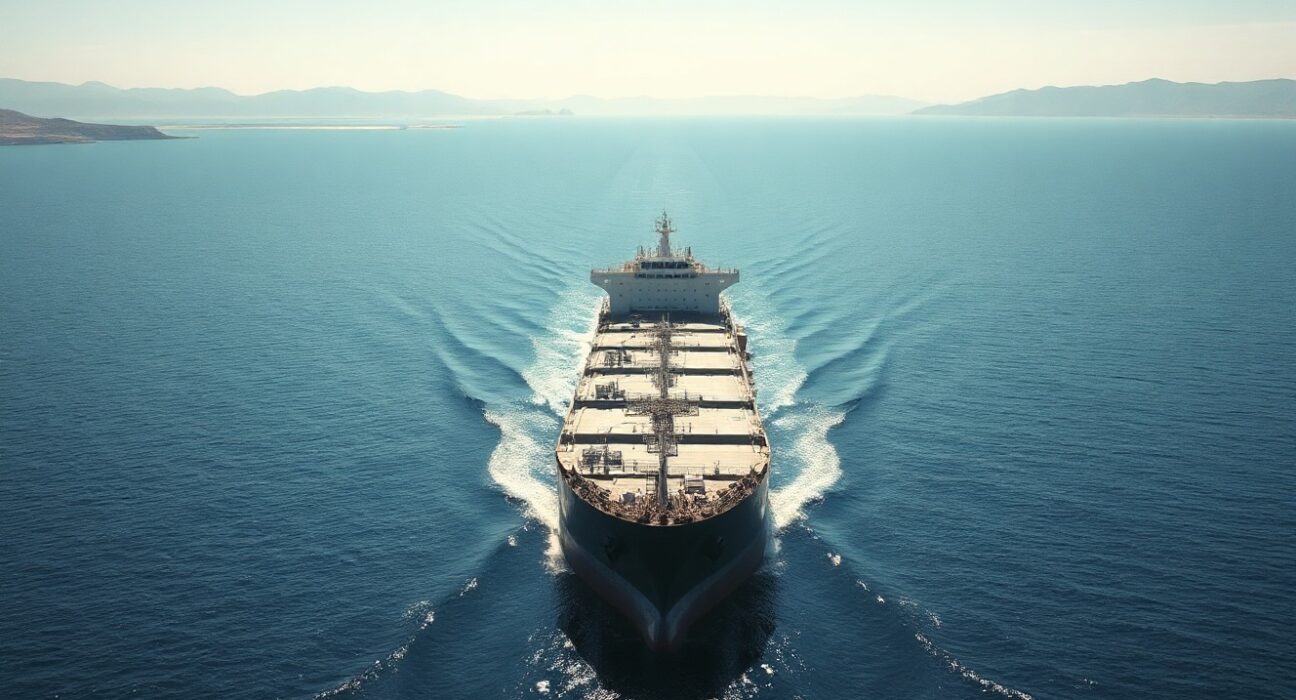
West Texas Intermediate (WTI) crude oil prices experienced a notable decline during Tuesday’s trading session, driven by emerging reports that the United States and Iran may be nearing a framework agreement concerning maritime security in the Strait of Hormuz. The development has prompted traders to unwind a portion of the geopolitical risk premium that had been priced into crude futures over the past several weeks.
Strait of Hormuz Deal Reduces Immediate Supply Disruption Fears
The Strait of Hormuz, a narrow waterway connecting the Persian Gulf to the Gulf of Oman, is a critical chokepoint for global oil shipments. Approximately one-fifth of the world’s total petroleum consumption passes through this strait daily. Any perceived threat to its security — whether from military confrontation, mine-laying, or vessel seizures — historically triggers a sharp increase in oil prices due to fears of supply disruptions.
Recent diplomatic signals, including indirect talks mediated by regional partners, have suggested a potential mutual understanding aimed at de-escalating tensions in the waterway. While no formal agreement has been confirmed by either government, the mere prospect of reduced confrontation has been enough to shift market sentiment. Traders are now pricing in a lower probability of a sudden supply outage, leading to a sell-off in crude futures.
Market Reaction and Price Action
WTI crude for near-term delivery fell by over 3% in intraday trading, breaching key technical support levels. The decline was accompanied by increased trading volume, indicating conviction behind the move. Brent crude, the international benchmark, also retreated, though at a slightly more modest pace.
The drop reverses a portion of the gains accumulated since early 2025, when escalating rhetoric between Washington and Tehran had pushed oil prices higher. The geopolitical risk premium — the extra cost built into oil prices to account for the chance of conflict — had been estimated by analysts at between $5 and $8 per barrel. Tuesday’s move suggests that roughly half of that premium has now been unwound.
What This Means for Consumers and Markets
For motorists and businesses reliant on fuel, a sustained reduction in geopolitical risk could translate into lower gasoline and diesel prices in the weeks ahead, assuming no other supply-side shocks emerge. However, the situation remains fluid. Any breakdown in talks or a provocative incident in the strait could quickly reverse the price decline.
From a broader market perspective, the unwinding of the risk premium highlights how sensitive crude oil prices remain to geopolitical headlines. It also underscores the market’s current focus on supply security rather than demand-side factors, which have been relatively stable.
Conclusion
The decline in WTI oil prices reflects a rational market reassessment of geopolitical risk following reports of a potential US-Iran understanding regarding the Strait of Hormuz. While the development is positive for price stability and consumer relief, traders and analysts alike caution that the situation remains unpredictable. Without a confirmed, verifiable agreement, the risk of disruption has not been eliminated — merely reduced. The coming days will be critical in determining whether this price move is the start of a sustained trend or a temporary reprieve.
FAQs
Q1: Why did WTI oil prices drop today?
Prices fell primarily due to reports that the US and Iran may be close to a deal on maritime security in the Strait of Hormuz, which would reduce the risk of a sudden supply disruption.
Q2: What is the Strait of Hormuz and why does it matter for oil prices?
The Strait of Hormuz is a narrow waterway between Iran and Oman through which about 20% of the world’s oil passes. Any threat to its security can cause oil prices to spike due to fears of blocked shipments.
Q3: Could oil prices rebound if the deal falls through?
Yes. If diplomatic efforts collapse or if there is a military incident in the region, the geopolitical risk premium would likely be reinstated, pushing oil prices back up.
Disclaimer: The information provided is not trading advice, Bitcoinworld.co.in holds no liability for any investments made based on the information provided on this page. We strongly recommend independent research and/or consultation with a qualified professional before making any investment decisions.
