

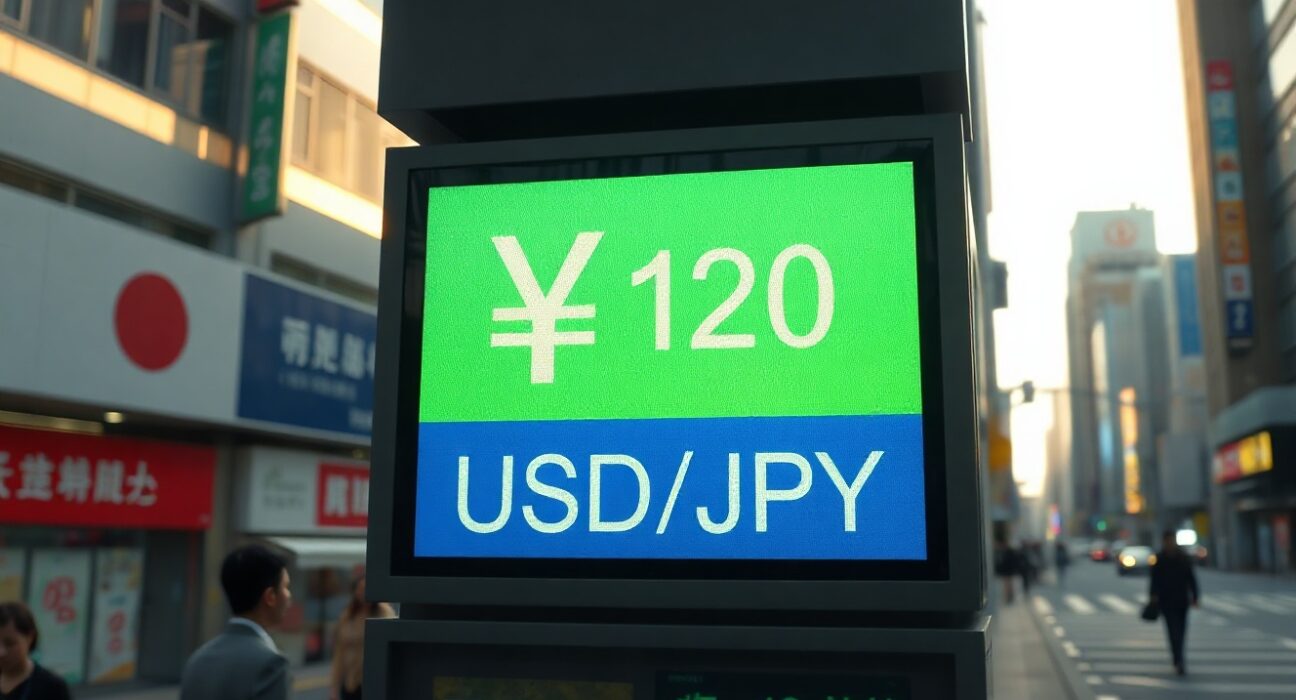
The Japanese yen traded in a narrow range against the U.S. dollar on [Day, Date], as thin holiday liquidity kept market participants cautious and speculation over possible intervention by Japanese authorities persisted. The USD/JPY pair hovered near the [specific level if known, otherwise: recent levels] throughout the session, with traders reluctant to build large positions amid low volume and heightened uncertainty.
Why is the yen range-bound?
The yen’s movement was constrained by two opposing forces: expectations of further interest rate hikes by the Bank of Japan (BOJ) versus a resilient U.S. economy that supports the dollar. With many global markets closed or operating on reduced hours for the holidays, trading volumes were thin, amplifying the impact of any large orders and making sharp moves more likely but also less sustainable.
Market participants are closely watching for any signs of intervention by Japanese authorities, who have repeatedly warned against excessive yen volatility. Finance Minister Shunichi Suzuki and other officials have stated they are monitoring currency moves with a high sense of urgency, but no concrete action has been taken so far.
Intervention speculation and market impact
The threat of intervention has become a key factor in yen trading. In the past, Japanese authorities have stepped in to support the currency when it weakened too rapidly, but they have also allowed gradual declines. The current level of the yen, which remains weak by historical standards, has kept intervention risk elevated.
However, analysts note that intervention is more likely to occur when moves are disorderly or driven by speculative flows, rather than during quiet, thin holiday trading. The absence of clear fundamental drivers this week has made it harder for traders to justify pushing the yen sharply in either direction.
What this means for traders and the broader market
For forex traders, the immediate focus is on any verbal intervention or unexpected data that could break the range. For the broader market, the yen’s direction is closely tied to global risk sentiment and the interest rate differential between Japan and the U.S. A sustained move in USD/JPY could have ripple effects on Asian equities and other currencies.
Conclusion
The yen’s range-bound trading in thin holiday conditions reflects a market waiting for clearer signals. With intervention speculation persisting and key economic data expected in the coming weeks, volatility is likely to return once normal trading volumes resume. Until then, traders are likely to remain cautious, keeping the yen within its recent range.
FAQs
Q1: What is currency intervention and how does it affect the yen?
Currency intervention occurs when a central bank or finance ministry buys or sells its own currency to influence its exchange rate. For Japan, intervention typically involves selling dollars and buying yen to strengthen the yen. The threat of intervention can influence market behavior, as traders become wary of betting against the currency.
Q2: Why is the yen weak against the dollar?
The yen has been under pressure due to the interest rate differential between Japan and the U.S. The Federal Reserve has raised rates to combat inflation, while the Bank of Japan has maintained ultra-low rates, making the dollar more attractive to yield-seeking investors. This has led to sustained selling of the yen.
Q3: What should traders watch for in the coming days?
Traders should monitor any statements from Japanese officials, as well as upcoming economic data such as U.S. inflation figures and Japanese trade numbers. Any surprise in these releases could trigger a breakout from the current range, especially if intervention risk escalates.
Disclaimer: The information provided is not trading advice, Bitcoinworld.co.in holds no liability for any investments made based on the information provided on this page. We strongly recommend independent research and/or consultation with a qualified professional before making any investment decisions.
