

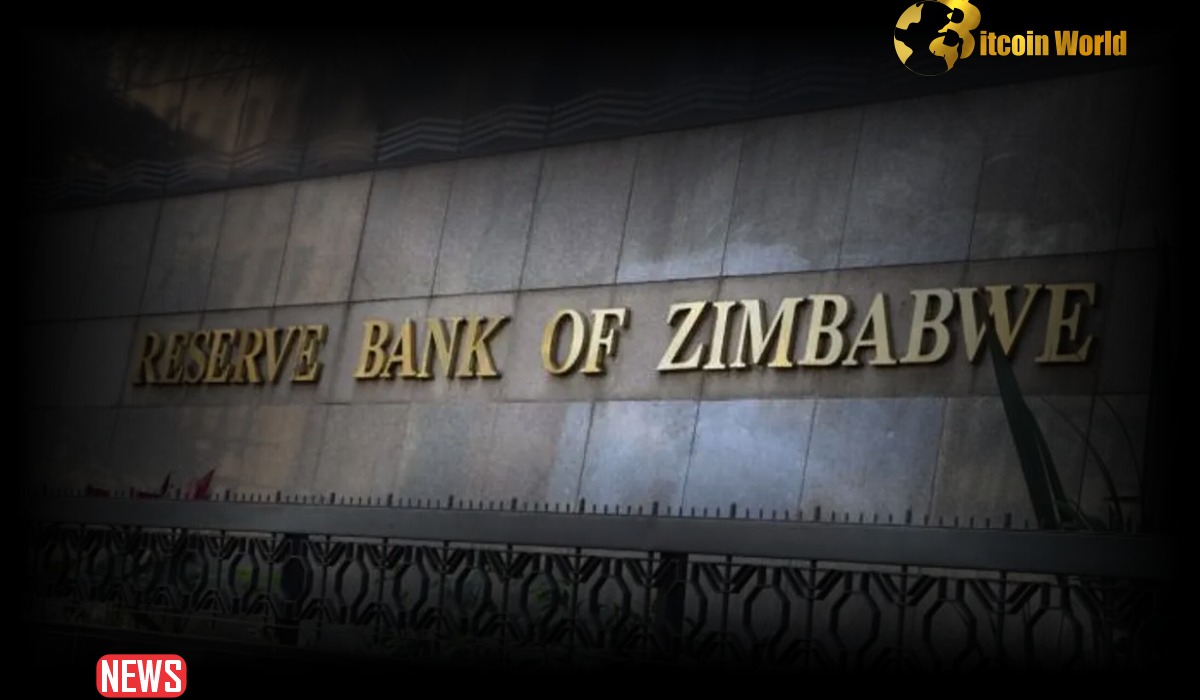
Navigating the choppy waters of economic instability can feel like a rollercoaster, especially when it comes to currency fluctuations. In Zimbabwe, the gap between official and parallel market exchange rates has been a persistent challenge, impacting daily life and business operations. Enter the Reserve Bank of Zimbabwe (RBZ), stepping in with a significant injection of funds to try and calm the storm. Let’s dive into what’s happening and what it means for Zimbabwe’s economy.
What’s the Forex Injection All About?
The RBZ, Zimbabwe’s central bank (RBZ Official Website), has announced a substantial intervention in the interbank foreign exchange market. We’re talking about a cool US$50 million pumped directly into the system. But why this move, and why now?
- Bridging the Exchange Rate Gap: The core issue is the significant disparity between the official exchange rate and the rate you’d find on the parallel market (sometimes referred to as the black market). This gap creates economic distortions, making it harder for businesses to plan and for ordinary citizens to afford essential goods and services.
- Combating Economic Instability: A volatile exchange rate breeds uncertainty. It can fuel inflation, erode purchasing power, and generally make the economic environment unpredictable. The RBZ’s injection is a direct attempt to inject stability into this situation.
- Boosting Forex Supply: Think of it like this – if there’s not enough foreign currency circulating officially, people and businesses turn to alternative (and often more expensive) sources. By increasing the supply of US dollars in the interbank market, the RBZ aims to reduce this pressure.
- Easing Pressure on Banks: Banks play a crucial role in facilitating legitimate foreign exchange transactions. When the official market is under strain, banks also feel the pressure. This injection is intended to give banks more resources to meet the forex demands of their clients.
In essence, the RBZ is trying to grease the wheels of the official forex market, making it more attractive and functional compared to the parallel market. But how exactly does this injection aim to achieve currency stability?
How Does a $50 Million Injection Help Stabilize Currency?
Imagine the forex market as a scale, with demand on one side and supply on the other. When demand for foreign currency (like the US dollar) outweighs supply, the price (exchange rate) goes up. Here’s how the RBZ’s move is intended to tip the scale towards stability:
- Increased Forex Availability: The most direct impact is simply more US dollars becoming available in the official interbank market. This increased supply can help meet the demand from businesses needing to import goods, individuals needing forex for various transactions, and so on.
- Reduced Reliance on Parallel Market: If businesses and individuals can access forex at a more reasonable rate through official channels, the allure of the parallel market diminishes. This can help curb the demand driving up parallel market rates.
- Exchange Rate Correction: Ideally, the increased supply should lead to a correction in the exchange rate, potentially narrowing the gap between the official and parallel rates. This doesn’t necessarily mean the local currency will suddenly become incredibly strong, but it aims for a more realistic and stable valuation.
- Boosting Confidence: A decisive action like this can signal the central bank’s commitment to managing the currency and the economy. This can, in turn, boost confidence among businesses and the public, which is crucial for economic stability.
The RBZ itself has emphasized its commitment to currency and exchange rate stability, highlighting the growing acceptance of the recently introduced local currency. This injection can be seen as a practical step to back up that commitment.
Is $50 Million Enough? The Big Question Mark
While $50 million sounds like a significant sum, in the context of a national economy, the crucial question is: Is it enough to make a lasting impact?
Let’s consider some factors:
- Scale of Demand: The daily demand for foreign currency in Zimbabwe is likely substantial. $50 million might be a welcome boost, but its impact could be short-lived if the underlying demand drivers aren’t addressed.
- Sustainability: Is this a one-off injection, or part of a sustained strategy? A single injection might provide temporary relief, but long-term stability requires consistent and well-thought-out monetary and fiscal policies.
- Underlying Economic Issues: Currency instability is often a symptom of deeper economic challenges. Factors like inflation, low productivity, trade imbalances, and lack of investor confidence all play a role. A forex injection alone might not solve these root issues.
Think of it like treating a fever with a temporary cooling patch. It might bring temporary relief, but if the underlying infection isn’t addressed, the fever will likely return. Similarly, while this forex injection is a positive step, its long-term effectiveness hinges on broader economic reforms and policies.
Potential Benefits and Challenges on the Ground
So, what could be the real-world impact of this forex injection for Zimbabweans and businesses?
Potential Benefits:
- Price Stability (Potentially): If the exchange rate stabilizes, it could help curb imported inflation, leading to more stable prices for goods and services. This is particularly important for basic necessities.
- Easier Business Transactions: Businesses that rely on imports will find it easier to access forex for their operations, potentially reducing costs and improving efficiency.
- Increased Confidence: A more stable currency can boost confidence in the economy, encouraging investment and potentially attracting foreign capital.
- Reduced Pressure on Individuals: For ordinary citizens, a stable exchange rate means less uncertainty about the value of their earnings and savings. It can make budgeting and financial planning less stressful.
Potential Challenges:
- Temporary Relief: As mentioned, the impact might be temporary if underlying issues aren’t addressed. The parallel market pressure could resurface if demand outstrips supply again quickly.
- Need for Monitoring: The RBZ will need to carefully monitor the market to ensure the injected funds are used effectively and are not simply absorbed without achieving the desired stabilization.
- Broader Economic Reforms Needed: Sustainable currency stability ultimately requires a sound economic foundation. This includes addressing inflation, promoting exports, managing government debt, and fostering a conducive investment climate.
Looking Ahead: What’s Next for Zimbabwe’s Currency?
The RBZ’s forex injection is a significant move, signaling a proactive approach to managing currency stability. However, it’s crucial to see this as one piece of a larger puzzle. For Zimbabwe to achieve lasting economic stability, a multi-pronged approach is needed. This could include:
- Fiscal Discipline: Responsible government spending and prudent fiscal policies are essential to control inflation and maintain economic balance.
- Monetary Policy Consistency: Consistent and credible monetary policy from the RBZ is vital for building trust and managing inflation expectations.
- Boosting Productivity and Exports: Strengthening key sectors of the economy, promoting exports, and diversifying revenue streams are crucial for long-term economic health and forex generation.
- Attracting Investment: Creating a business-friendly environment to attract both domestic and foreign investment can boost economic growth and forex inflows.
- Transparency and Communication: Clear and transparent communication from the RBZ and the government about economic policies can help build confidence and manage expectations.
In Conclusion: A Step Towards Stability, But More is Needed
The RBZ’s $50 million forex injection is undoubtedly a welcome intervention aimed at stabilizing Zimbabwe’s currency and economy. It has the potential to provide some much-needed relief, narrow the exchange rate gap, and boost confidence. However, it’s important to recognize that this is likely a step in a longer journey. Sustainable currency stability and lasting economic prosperity will require a comprehensive and sustained effort, addressing the underlying economic fundamentals and implementing sound policies across the board. The world will be watching to see how these efforts unfold and the ultimate impact on the Zimbabwean economy and its people.
Disclaimer: The information provided is not trading advice. Bitcoinworld.co.in holds no liability for any investments made based on the information provided on this page. We strongly recommend independent research and/or consultation with a qualified professional before making any investment decisions.
Disclaimer: The information provided is not trading advice, Bitcoinworld.co.in holds no liability for any investments made based on the information provided on this page. We strongly recommend independent research and/or consultation with a qualified professional before making any investment decisions.
